







What is the Global Nutrition Report?
Every year, the Global Nutrition Report (GNR) acts as the world's leading independent assessment of the state of global nutrition. It’s a comprehensive review that holds a mirror up to countries, tracking their progress—or lack thereof—in fighting malnutrition
in all its forms. For years, it has been the go-to source for data on critical issues like childhood stunting, wasting, anaemia in women, and the rise of diet-related non-communicable diseases (NCDs) like diabetes and obesity. The report's primary goal is to inspire action by highlighting where interventions are working and where they are falling short, holding governments and other stakeholders accountable for their commitments. Historically, these reports have provided a high-level view, often focusing on national averages and progress toward global targets set by the World Health Assembly.
The 2026 Shift: A Focus on Practicality
The headline claim of the 2026 report is its focus on making nutrition checks more accessible and useful. While previous reports were data-heavy, the latest edition emphasizes a new framework for integrated action. The key theme is integrating food and health systems to build resilience, especially as climate change puts immense pressure on both. This year’s analysis moves beyond just tracking outcomes and introduces more straightforward ways to assess the building blocks of good nutrition. This includes evaluating the local availability of healthy foods, the affordability of a nutritious diet, and access to primary health services that are crucial for nutritional well-being. The idea is to move from abstract statistics to tangible metrics that local policymakers and community health workers can actually use to design and implement targeted interventions.
What These 'Simple Checks' Look Like
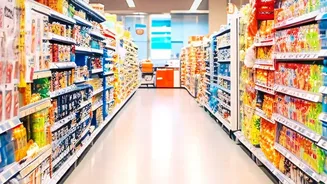
So, what are these simpler checks? Instead of relying solely on complex national surveys, the new approach champions metrics that reflect real-world conditions. One key indicator is the 'Cost of a Healthy Diet' (CoHD), which measures the local market price of the least expensive foods needed to meet dietary guidelines. This directly assesses affordability. Another check involves measuring the physical access to different types of food retailers—distinguishing between supermarkets with fresh produce and outlets primarily selling processed, unhealthy foods. Furthermore, the report encourages tracking the capacity of local health systems, such as the availability of nutrition counselling or the coverage of vitamin supplementation programs. These checks provide a granular, ground-level view of the food environment, helping to identify not just what the problem is, but where and why it exists.
Why This Matters for India
For India, this shift is particularly significant. The country continues to grapple with what experts call a 'double burden' of malnutrition: high rates of childhood stunting and wasting coexisting with a growing epidemic of adult obesity and diabetes. National averages often mask vast disparities between states, urban and rural areas, and different socioeconomic groups. For example, while India is considered 'on course' to meet targets for reducing childhood stunting, the prevalence remains high at over 34%, and progress on wasting is poor. At the same time, more than half of women of reproductive age are anaemic. The simpler, more localized metrics proposed in the 2026 GNR will allow Indian states and districts to get a much clearer picture of their specific challenges. They can identify 'food deserts' where healthy options are scarce or 'food swamps' where unhealthy food is overwhelmingly prevalent, and tailor policies accordingly. This moves the focus from just food security (access to calories) to nutrition security (access to the right kinds of food).
From Data to Decisive Action
Ultimately, the power of the 2026 Global Nutrition Report lies in its potential to bridge the gap between data and action. By making it easier to diagnose the root causes of poor nutrition at a local level, it empowers a wider range of actors to respond effectively. State governments can design more targeted public distribution systems, urban planners can create policies that encourage healthier food environments, and community health initiatives can focus on the most pressing local needs. The report’s new framework also emphasizes integrating nutrition with climate adaptation strategies, recognizing that climate change threatens agricultural productivity and food access for the most vulnerable. This integrated approach is critical for building a resilient and equitable food future for all Indians.