






The Science of the Problem
At the heart of the issue is a simple chemical property: ethanol is hygroscopic, meaning it attracts and absorbs water from the atmosphere. While this is a known characteristic accounted for in fuel standards, it poses a significant challenge in real-world
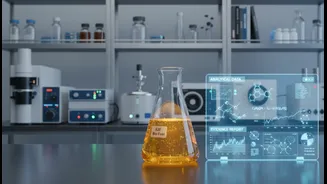
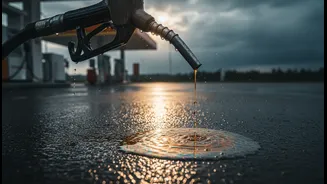
conditions, especially during India's heavy monsoon season. When E20 fuel—a blend of 20% ethanol and 80% petrol—is stored, any ingress of water can lead to a phenomenon called 'phase separation'. If the water content in the stored fuel exceeds just 0.5%, the ethanol binds with the water, creating a dense, corrosive mixture that sinks to the bottom of the tank, leaving a layer of lower-octane petrol on top. This separation is the crux of the problem facing the nation's fuel supply chain.
An Infrastructure Under Strain
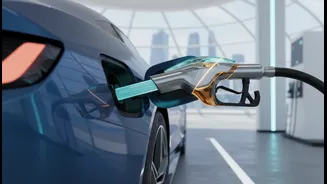
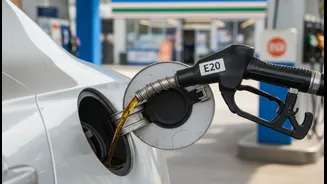
Concerns are being raised by some petrol pump owners that the existing fuel infrastructure was largely designed for conventional, non-blended petrol. Underground storage tanks at fuel stations are susceptible to water ingress through leaky seals or condensation, particularly during heavy rainfall or in coastal areas with high humidity and sub-soil water. Since dispensing units typically draw fuel from the bottom of these tanks, there is a risk that vehicles could be filled with the separated water-ethanol mixture instead of the proper E20 blend. This raises fears not only of vehicle damage but also of potential corrosion to the mild steel tanks and pipelines themselves, which could worsen contamination over time. While Oil Marketing Companies (OMCs) have taken steps, like replacing seals with ethanol-resistant materials like neoprene rubber, questions remain about the overall readiness of the vast network of retail outlets.
What It Means For Your Vehicle
For consumers, this isn't just a technical debate. If a vehicle is filled with the separated water-ethanol sludge, it can lead to serious problems. The most immediate effect can be the engine refusing to start or stalling after a short distance. The corrosive nature of the water-ethanol mix can damage fuel system components, clog fuel filters, and lead to rust in the fuel tank. When phase separation occurs, the remaining petrol left at the top of the storage tank is also compromised, as the ethanol that acts as an octane booster has been stripped away. Using this lower-octane fuel can result in poor engine performance and knocking. While authorities like the Federation of Automobile Dealers Associations (FADA) have stated that E20 fuel meets stringent standards and that water entry is bad for any fuel, the unique properties of ethanol amplify the risk.
Racing Against the Rains
In response to these concerns and unverified social media posts showing alleged contamination, OMCs have conducted thousands of surprise inspections and quality tests, stating they found no evidence of widespread adulteration or quality issues. The government maintains that E20 is a scientifically validated fuel that is safe for compatible vehicles. The path forward involves a multi-pronged approach. This includes diligent monitoring and maintenance at petrol pumps, such as regularly checking for and draining any water from underground tanks. There are also calls for infrastructure upgrades to create a truly 'rain-ready' system, potentially involving new storage tanks or better water detection technologies. For dealers, the financial burden of discarding contaminated fuel is a major concern, prompting requests for clear guidelines and support from OMCs. Ultimately, ensuring public confidence in the E20 program depends on proving that the entire supply chain, from refinery to nozzle, is robust enough to handle India's diverse and demanding climate.