





The Science of Moving as One
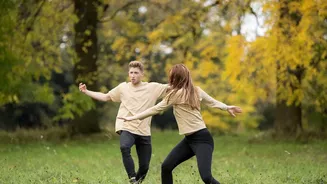
Have you ever noticed how a crowd at a concert seems to move to the same beat? That's synchrony, and it’s a powerful social glue. When we dance in a group, our brains and bodies are working to stay in rhythm with others. Neuroscientists have found that
this shared movement blurs the lines between 'me' and 'us'. This creates a powerful feeling of connection and trust, often much faster than conversation alone. Studies show that people who move in sync are more likely to feel empathy and cooperate with each other afterward. It’s a primal human experience that tells our brains we are part of a supportive tribe, effectively dialling down feelings of isolation. Your body is essentially having a conversation with other bodies, building a bond without a single word being spoken.
A Natural Cocktail for Your Brain
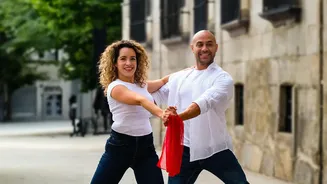
Forget the pharmacy; a dance class offers a potent, all-natural cocktail of feel-good brain chemicals. The physical exertion triggers the release of endorphins, your body's natural mood elevators and pain relievers. This is what gives you that post-workout 'high' and a surge of energy. But with dance, there's more. The simple joy and anticipation of moving to music can boost dopamine, which is linked to pleasure and reward. Furthermore, dancing with others can increase oxytocin, the 'bonding hormone' that fosters feelings of closeness and trust, especially in partner dances that involve touch. When combined with a rise in serotonin, which helps regulate mood, this neurochemical symphony creates a powerful and sustained defence against low energy and feelings of sadness.
Connecting Without Words
For many, small talk can be a source of anxiety, making it hard to form new friendships. Group dancing offers a unique solution by creating a space for non-verbal communication. It allows you to connect with others through shared experience and movement, bypassing the pressure of witty conversation. This process is partly explained by 'mirror neurons' in our brains, which fire both when we perform an action and when we watch someone else do it. By following an instructor or mirroring a partner, you are neurologically 'feeling' their movements, which builds empathy and a sense of mutual understanding. It’s a way of getting to know someone on a different level, building a foundation of shared experience that can make future conversations feel more natural and less daunting.
The Power of a Common Rhythm
Being part of a group that is working towards a shared goal is a fundamental human need. In a dance class, that goal might be as simple as mastering a short piece of choreography or as complex as preparing for a performance. This shared intention creates a powerful sense of unity and collective purpose. Every member of the group, regardless of skill level, is contributing to the final picture. This feeling of being 'in it together' fosters a supportive environment where individuals encourage one another. It transforms a group of strangers into a team. The collective energy that comes from achieving something together, even just staying in sync for eight counts, reinforces social bonds and gives each participant a sense of belonging and accomplishment.
Finding Your Footing, and Your Confidence
Walking into a dance class for the first time can be intimidating, but the journey of learning and improving is a massive confidence booster. Mastering a new step or remembering a sequence provides a tangible sense of achievement that can ripple out into other areas of your life. In a well-run class, the environment is supportive, focused on progress, not perfection. This provides a safe space to be vulnerable, make mistakes, and learn. Over time, you not only become more comfortable with the dance moves but also more comfortable in your own skin. This boost in self-esteem and body positivity is a powerful antidote to the self-criticism that often accompanies loneliness and low energy. You start to move with more assurance, both on and off the dance floor.