


The Comfort of Traditional Namkeen
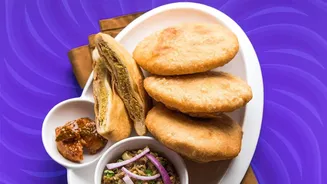
For generations, fried namkeens like sev, bhujia, and various mixtures have been a beloved staple in Indian households. They represent comfort, tradition, and the perfect savoury bite to accompany conversations and tea. The appeal lies in their irresistible
crunch and bold, spicy flavours. However, this deliciousness often comes at a nutritional cost. The primary method of preparation is deep-frying, which significantly increases the calorie and fat content of the snack. Many commercially produced namkeens are high in saturated fats, trans fats, and sodium, which, when consumed regularly, can contribute to health concerns like high blood pressure and weight gain. A single 50g serving of a typical namkeen mixture can contain around 250 calories and a significant amount of the daily recommended sodium intake.
The Rise of a Greener Alternative
Enter crispy green pea snacks. These innovative snacks are typically made by grinding dried green peas into a flour, which is then shaped and either baked or roasted, not fried. This fundamental difference in cooking method is key to their healthier profile. By avoiding the deep-frying process, these snacks absorb far less oil, resulting in a product that is naturally lower in fat and calories. The main ingredient itself, the humble green pea, is a nutritional powerhouse. Known scientifically as Pisum sativum, green peas belong to the legume family and are packed with vitamins, minerals, and antioxidants. This means the snack isn't just about offering 'less bad stuff'; it's also about providing 'more good stuff'.
A Nutritional Head-to-Head
When you place a baked green pea snack next to a traditional fried namkeen, the nutritional differences become clear. A standard 28-30g serving of baked green pea snacks contains around 120-130 calories and about 5g of fat. In contrast, a similar portion of fried namkeen can have 170-180 calories and 8-9g of fat. The sodium content is another critical area. While it varies by brand, many green pea snacks are explicitly marketed as 'lightly salted', containing as little as 75mg of sodium per serving, which is often 50% less than regular fried potato chips and many namkeens. Traditional namkeens can have sodium levels ranging from 380mg to over 500mg per 50g serving.
The Protein and Fibre Advantage
Perhaps the most significant benefit of switching to green pea snacks is their superior protein and fibre content. Green peas are one of the best plant-based sources of protein and are rich in dietary fibre. A single serving of green pea snacks can provide 5-7 grams of protein and 3-5 grams of fibre. This is considerably higher than most grain- or potato-based fried snacks. Protein and fibre work together to slow digestion, which helps in managing blood sugar levels and promotes a feeling of fullness. This inherent satiety factor can help prevent overeating, making these snacks a smarter choice for weight management. In contrast, many fried namkeens offer less protein and fibre, making them less filling and easier to consume in large quantities.
Making a Mindful Choice
Making the switch doesn't mean you have to give up the crunch and flavour you love. Crispy green pea snacks deliver a satisfying texture and come in a variety of seasonings to please the Indian palate. However, not all 'healthy' snacks are created equal. It's still important to be a mindful consumer. When choosing a green pea snack, check the label. Look for terms like 'baked' or 'roasted' and review the nutrition panel. Pay attention to the sodium content and check the ingredient list to ensure green peas are listed first, not rice or corn flour. The goal is to choose a product that maximizes the inherent benefits of the peas themselves.