









The Invisible Threat to Our Minds
The conversation around health is often dominated by personal responsibility. We track our steps, eat our greens, and solve puzzles to keep our minds sharp. Yet, a silent and pervasive threat is working against our best efforts: air pollution. Mounting
evidence links long-term exposure to polluted air with a host of neurological problems, including cognitive decline, an increased risk of stroke, and neurodegenerative conditions like Alzheimer's and Parkinson's disease. The main culprit is often microscopic particulate matter, especially PM2.5—particles so fine they are less than one-thirtieth the width of a human hair. These particles, spewed from vehicle exhaust, industrial emissions, and construction sites, are easily inhaled, but their journey doesn't stop in the lungs.
How Pollution Breaches Brain Defences
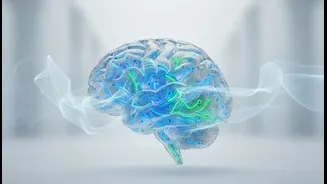
The brain is protected by a highly selective barrier, but ultrafine pollutants like PM2.5 have been shown to breach this defence. They can enter the bloodstream from the lungs or even travel directly into the brain via the olfactory nerve. Once inside, these toxic particles trigger a cascade of harmful effects. They cause chronic inflammation and oxidative stress, which can damage brain cells and blood vessels. Studies have shown this can lead to the buildup of abnormal proteins, such as beta-amyloid and alpha-synuclein, which are hallmarks of Alzheimer's and Parkinson's disease, respectively. In essence, the very air in many of our cities is creating a low-level, persistent assault on the core functions of our brains.
The Policy-Powered Shield
This is where the power of public policy becomes clear. Several major studies have found that improving air quality is directly associated with better brain health outcomes. One landmark study of older women in the U.S. found that living in areas with significant reductions in PM2.5 and traffic-related pollution (NO2) over a decade was associated with a 14% and 26% lower risk of dementia, respectively. A similar French study found that a reduction in PM2.5 was linked to a 15% reduced risk of all-cause dementia and a 17% reduced risk of Alzheimer's. Crucially, these benefits were observed regardless of the participants' age, education, socioeconomic status, or even genetic predispositions for dementia. This demonstrates that cleaner air offers a protective benefit that transcends individual circumstances and choices.
A Collective Responsibility
The findings underscore a fundamental shift in how we should approach brain health. While individual behaviours are important, they can only go so far in an environment that is fundamentally unhealthy. No amount of sudoku or salmon can fully counteract the neurological damage from breathing toxic air day in and day out. This transforms the issue from one of solely personal wellness to one of public health and collective responsibility. Cleaner air is not a luxury; it is a critical piece of public infrastructure, just like clean water and sanitation. Policies that reduce emissions from vehicles, regulate industrial pollutants, and promote cleaner energy sources are not just environmental strategies—they are frontline public health interventions to protect our collective cognitive future.
The Indian Context
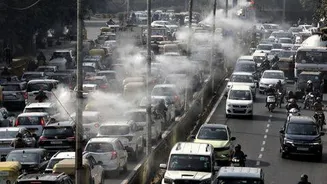
For India, these findings are a critical wake-up call. The country faces some of the worst air pollution in the world, with cities like Delhi, Greater Noida, and Sri Ganganagar consistently recording dangerously high levels of particulate matter. In 2023, an estimated two million deaths in India were linked to air pollution, with a growing number attributed to non-communicable diseases like heart disease, diabetes, and dementia. Programmes like the National Clean Air Programme (NCAP) are a step in the right direction, but experts argue for a radical revision and more urgent updates to air quality standards. The World Health Organization recently added air pollution to its list of modifiable risk factors for dementia, a condition affecting an estimated 8.8 million Indians over 60. Strengthening and enforcing clean air policies is therefore not just an environmental goal, but an urgent national security issue for India's health and future workforce.