

A Robotaxi Built for the Future
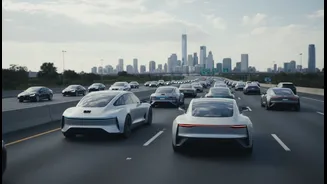
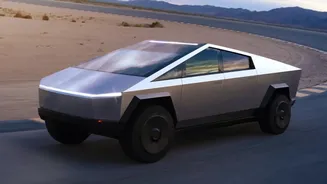
Tesla's Cybercab is not just another electric car; it's the physical manifestation of the company's long-held ambition to operate its own ride-hailing network. Designed without a steering wheel or pedals, the vehicle is built exclusively for autonomy,
intended to ferry one or two passengers to their destination without a human driver. Production is already underway at Gigafactory Texas, with the vehicles currently being used for extensive testing. The ultimate goal is to produce these Cybercabs at an incredible speed, creating a massive fleet that can be summoned via a dedicated app, fundamentally changing the economics of transportation. This network represents a major strategic pivot for Tesla, moving it from a pure vehicle manufacturer to a service provider.
High-Speed Internet from Space
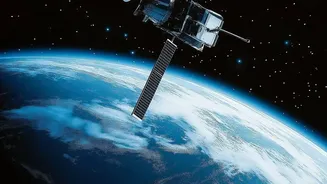
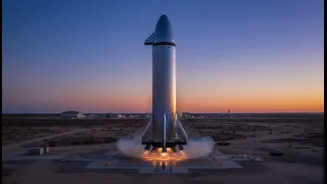
A key feature recently confirmed for the Cybercab is the direct integration of a Starlink V5 satellite internet terminal. This move, a natural synergy between Elon Musk's automotive and aerospace companies, ensures the vehicles have reliable, high-speed connectivity even in areas with poor cellular coverage. While Tesla officials have stated that the connection is not required for the core safety and operation of the self-driving system, it serves crucial roles in navigation, fleet management, and remote customer service. More importantly for the passenger, this opens the door to a premium in-cabin experience. Musk himself has highlighted the ability for passengers to stream 4K video during their ride, positioning the Cybercab as a mobile entertainment lounge, not just a mode of transport.
The Unanswered Pricing Question
Despite the hardware confirmation, Tesla has remained silent on the business model for this in-car data. How will passengers pay for their 4K movie streams or video games? The possibilities are numerous, each with different implications for the service's appeal and profitability. Will the data cost be bundled into the overall ride fare, creating a seamless, all-inclusive experience? Or will Tesla offer tiered data packages, similar to how airlines sell Wi-Fi? A free, ad-supported model is another possibility, offering a lower-cost option in exchange for passenger attention. There is also the potential for a subscription model, where frequent users could pay a monthly fee for unlimited premium connectivity across all their rides. Each option presents a trade-off between user friction, revenue potential, and market competitiveness.
A New Blueprint for Recurring Revenue
The decision on data pricing is more than just a minor detail; it's a window into Tesla's broader strategy of building recurring revenue streams. The company has already shifted its Full Self-Driving (FSD) feature to a subscription model and generates significant income from its Supercharger network. Adding connectivity plans to its robotaxi fleet would establish another powerful, service-based income source, turning each vehicle into a constantly generating asset beyond the fare itself. The model developed for the Cybercab could eventually be rolled out to all consumer Teslas equipped with Starlink, creating a massive new business line. By monetizing the passenger's time during a journey, Tesla aims to capture value that traditional car manufacturers and ride-sharing companies currently leave on the table.