







A New Battleground for an Old Fight
Since taking charge as the Commissioner of Maharashtra's Food and Drug Administration (FDA) in May 2026, Tukaram Mundhe has unleashed a statewide enforcement drive that has rattled the food industry. In a matter of weeks, his teams have conducted thousands
of inspections, targeting everything from iconic Mumbai eateries and quick-commerce dark stores to local dairies and oil manufacturers. The results have been swift and decisive: licences suspended, adulterated food products worth crores seized, and improvement notices issued for violations ranging from severe pest infestations to using rusty, unclean equipment for cooking. The crackdown has focused on tangible public health risks, including adulterated milk and paneer, unhygienic kitchen practices, and the sale of banned substances like gutkha.
The Uncompromising Mundhe Method
For those familiar with Mundhe's career, this intense focus on enforcement is not a surprise; it is his signature style. A 2005-batch officer, he has been transferred around 25 times in a career spanning just over two decades, a statistic many attribute to his refusal to bow to political or commercial pressures. Whether as the Municipal Commissioner in Navi Mumbai, where he cancelled approved projects he deemed wasteful, or in Solapur, where his work on water conservation earned him the nickname “Water Man of Maharashtra,” Mundhe has consistently prioritised public welfare and strict adherence to rules. This approach has often put him at odds with established systems and elected representatives, but it has also earned him a formidable reputation among citizens as an officer who gets the job done, regardless of the consequences.
From Elite Clubs to Local Dhabas
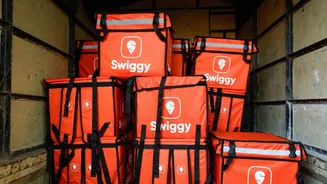
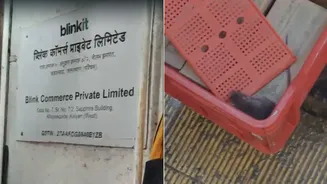
The current FDA drive is notable for its sheer scope, leaving no part of the food supply chain untouched. High-profile establishments, including some of Mumbai’s most famous and long-standing restaurants and clubs, have been inspected and flagged for serious hygiene lapses. At the same time, the FDA has targeted quick-commerce hubs like Zepto and Blinkit, suspending the licenses of dark stores for violations in food handling and storage. This broad approach sends a clear message that compliance is non-negotiable for everyone, from legacy brands to the burgeoning digital economy. The actions have extended to taking on major issues like the use of synthetic milk, where raids have busted large-scale adulteration networks, and tackling the illegal sale of banned tobacco products.
An Unsettling but Necessary Shake-Up
The reaction to Mundhe's crackdown has been twofold. On one hand, it has sparked a sense of urgency within the food industry, with many businesses reportedly scrambling to deep-clean their kitchens and overhaul their food safety practices to avoid penalties. On the other, it has generated immense public support. The state FDA minister, Narhari Zirwal, even acknowledged in the Legislative Assembly that enforcement became “significantly more effective” after Mundhe took charge. The department's helpline, once receiving only a handful of calls, is now reportedly inundated with thousands of complaints from citizens, indicating a newfound public trust in the regulator. While some critics and even the Bombay High Court have cautioned against an overly aggressive approach, supporters argue that this disruption is precisely what was needed to clean up a sector rife with complacency.