



The New Fire Calendar
For decades, Europe’s wildfire risk was largely concentrated in southern countries like Spain, Greece, and Italy between June and September. Now, that window is expanding dramatically. Fires are igniting earlier in the spring and continuing late into
autumn, a trend directly linked to climate change. Human-caused warming is leading to more frequent and intense heatwaves, which dry out soil and vegetation, creating fuel for fires. This means the time frame of conditions conducive to major fires is growing longer each year, transforming what was once a seasonal threat into a near-constant state of alert for many regions. In fact, recent years have shown a steep rise in extreme fire weather days occurring outside the typical season.
From the Mediterranean to the North
The threat is no longer confined to the south. The same hot, dry conditions are increasingly appearing in central and northern Europe. Countries like Germany, the Netherlands, and even the United Kingdom and Sweden are now facing a heightened risk of significant wildfires, a scenario that was rare just a couple of decades ago. Fire danger forecasts now show vast areas of western and central Europe, including the British Isles and southern Scandinavia, under "very extreme" conditions. This geographic spread puts an immense strain on resources, as multiple nations may require firefighting assistance simultaneously, stretching the continent's collective capacity.
The Science of a Supercharged Fire
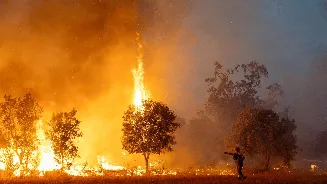
The recipe for these more destructive fires is driven by a vicious cycle. Higher temperatures, made more likely by global warming, increase evaporation and dry out the soil and forests. This creates an abundance of tinder-dry fuel. An unusually wet spring can worsen the problem by encouraging vegetation growth, which then dies off and becomes extra fuel during the hot, dry summer—a phenomenon some scientists call "weather whiplash". When a fire does start, either from a lightning strike or human activity, it spreads faster and burns with greater intensity through this parched landscape. These fires are so powerful they can create their own weather systems, including fire-driven thunderstorms that generate lightning and high winds, further accelerating the blaze.
A Mounting Human and Economic Toll
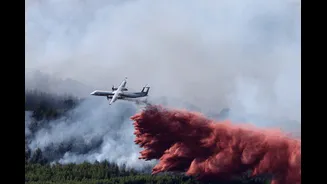
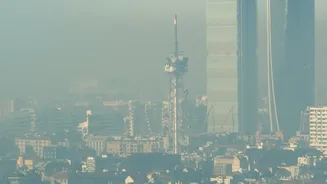
The impact of these expanding fire seasons is devastating. So far this year, the area burned across the European Union has already surpassed the total from 2025, which was a record-breaking year. The consequences go far beyond charred forests. Hundreds of thousands of people in countries like France and Spain have been forced to evacuate their homes. The economic fallout is immense, affecting tourism, agriculture, and forestry, with preliminary estimates for recent fires running into billions of euros. Smoke from massive fires pollutes the air for millions, posing serious health risks, while the destruction of infrastructure and homes leaves communities facing a long and costly recovery.
A Global Climate Warning
While Europe is the fastest-warming continent, the trend of longer and more intense fire seasons is a global phenomenon. From North America to parts of Asia, similar patterns are emerging as climate change alters weather systems and ecosystems. The fires in Europe serve as a stark reminder that extreme weather events are becoming more common and severe worldwide. They release enormous amounts of carbon dioxide into the atmosphere, creating a dangerous feedback loop that accelerates global warming. The crisis in Europe underscores the interconnectedness of our global climate and the urgent need for coordinated action on a worldwide scale to both mitigate climate change and adapt to its unavoidable impacts.