




The Devotion and Diet of Sawan
The month of Sawan, or Shravan, is a deeply spiritual time for devotees of Lord Shiva. It coincides with the monsoon, a season of renewal, and is marked by prayers, fasting (especially on Mondays, or Somvars), and a shift towards a simpler, more mindful
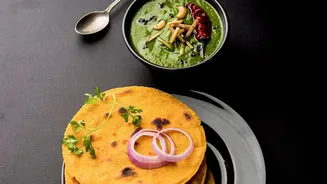
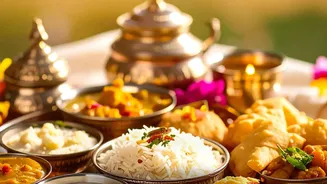
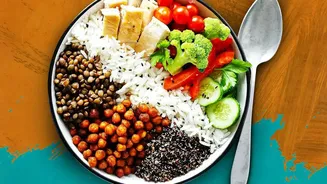
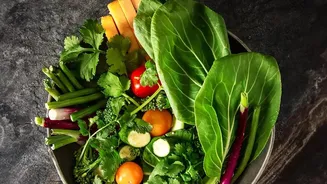
way of living. A key part of this observance is the adoption of a 'sattvic' diet. This involves eating fresh, light, and pure foods that are believed to calm the mind and aid spiritual focus. Consequently, non-vegetarian food, alcohol, and tamasic (heavy or agitating) items like onion and garlic are commonly avoided. Within these guidelines, however, lie many practices that vary from family to family and region to region.
The Case Against Curd and Fermented Foods
One of the most discussed dietary rules during Sawan is the avoidance of curd (dahi), kadhi, and other fermented items like idli or dosa batter. The traditional reasoning is twofold. Spiritually, some believe that since milk and curd are offered to Lord Shiva, they should be reserved for worship and not personal consumption. From an Ayurvedic perspective, the logic is tied to the season. The monsoon is considered a time when the digestive fire, or 'agni', is naturally weaker. Fermented foods like curd are considered heavy and 'kapha-aggravating', meaning they can increase mucus, lead to congestion, and upset a sluggish digestive system during the damp, humid weather.
Ancient Wisdom Meets Modern Science
This traditional advice finds some backing in modern science. The high humidity and warmth of the monsoon create ideal conditions for bacteria, yeast, and mould to multiply rapidly. This increases the risk of improper fermentation or spoilage, which can lead to bloating, gas, or even food poisoning. Batters for dishes like idli and dosa might over-ferment, and curd can turn sour quickly, potentially harbouring harmful bacteria. Furthermore, the monsoon is a breeding season for many insects, and there's a higher chance of contamination in food sources, including the fodder consumed by cattle, which can affect the quality of milk. Thus, the age-old practice of avoiding certain foods during this time can be seen as a practical food safety measure developed long before refrigeration and modern food processing.
A Rule That Varies Across India
Crucially, the avoidance of fermented foods is not a uniform, pan-Indian religious decree. It is a tradition that is highly regional and often a matter of family custom. While many in North India might avoid curd and kadhi strictly, you can find regional Sawan cuisines that incorporate these very ingredients. For example, in some Western Indian households, a dish like Singhare ki Kadhi, made with water chestnut flour and fresh curd, is a part of Sawan Somwar meals. In South India, where the calendar for Shravan itself differs, food practices are also distinct, often focusing on different deities and traditions alongside Lord Shiva. These variations show that the dietary landscape of Sawan is diverse and adaptable, shaped by local climate, agriculture, and cultural interpretation.
Making an Informed Choice
Understanding the 'why' behind the Sawan diet can empower you to make informed choices. The restriction on fermented foods is a blend of spiritual belief, Ayurvedic principles for seasonal health, and practical food safety. It's not a universal commandment but a piece of wisdom rooted in observing nature's cycles. For many, following these traditions is an act of discipline and faith that enhances their spiritual experience. For others, knowing the practical reasons—like a weaker gut and higher contamination risk during the monsoon—provides a logical framework for adjusting their diet. Whether you choose to avoid curd or enjoy it freshly prepared, the essence of the Sawan diet remains the same: eating mindfully, prioritizing light and easily digestible foods, and aligning your body with the rhythms of the season.