

A Landmark Recognition
The Pink City has officially been ranked 18th in a prestigious list of the world's best cities for art and culture, as highlighted by international magazine Time Out. Jaipur is the only Indian city to feature in the top 20, a list that includes global
giants like London, Paris, and New York. This isn't a fleeting mention; it’s a significant nod from a survey of over 24,000 global residents and cultural experts who weighed in on cities' heritage, museums, and art scenes. The inclusion celebrates Jaipur's blend of historic grandeur with a thriving, modern creative energy, solidifying its place as a must-visit destination for cultural connoisseurs worldwide.
The City Built by Visionaries
Jaipur’s architectural brilliance is no accident. Founded in 1727 by the astronomer king Sawai Jai Singh II, it stands as one of India’s first planned cities. Unlike the organic, winding lanes of many medieval towns, Jaipur was designed on a Vedic grid plan, with wide, straight avenues intersecting at large public squares called 'chaupars'. This blend of ancient Hindu principles of 'Vastu Shastra' with modern Mughal and Western town-planning concepts created a city that was both spiritually harmonious and commercially efficient. The entire walled city was inscribed as a UNESCO World Heritage Site in 2019, recognizing its exceptional urban planning and architectural synthesis.
An Iconic Pink Palette
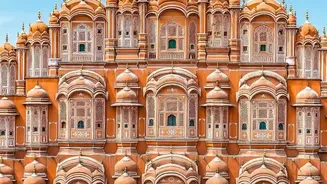
The city’s most famous feature is its terracotta pink hue. In 1876, the city was painted pink to welcome Albert Edward, the Prince of Wales, as the colour signifies hospitality in Rajasthani culture. This tradition has been preserved by law, creating a unique and cohesive visual identity. The star of this pink canvas is the Hawa Mahal, or 'Palace of Winds'. Its iconic five-storey façade, resembling a honeycomb, contains 953 small latticed windows ('jharokhas'). These were designed to allow royal women to observe street festivals unseen, a beautiful fusion of artistry and function. This masterpiece, along with the City Palace and Amber Fort, showcases a stunning blend of Rajput and Mughal architectural styles.
Where Culture Breathes
What truly elevates Jaipur is that its culture is not confined to museums. It thrives in its bustling bazaars and artisan workshops. The city is a designated UNESCO Creative City of Crafts and Folk Arts. Walk through Johari Bazaar, and you’ll find jewellers practicing ancient meenakari (enamelling) techniques. In Sanganer, the air is filled with the rhythmic stamping of block printers creating intricate textiles. From the world-famous blue pottery to masterful carving, these centuries-old traditions are not just preserved; they are a living, breathing part of the local economy and identity. This vibrant creative scene is complemented by a calendar full of cultural events, most notably the world-renowned Jaipur Literature Festival.