








The Numbers on Paper vs. The Road
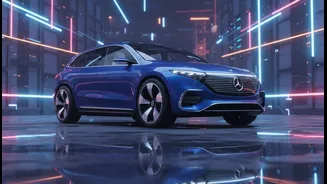
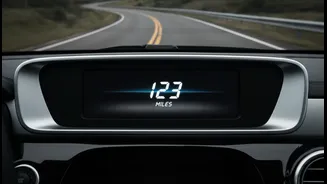
Every car sold in India comes with an ARAI-certified mileage figure. For the popular Mercedes-Benz E200 petrol variant, this number is around 15 kmpl. This figure, however, is achieved under ideal laboratory conditions—no traffic, no air conditioning,
and on a perfect surface. For owners in India, this number is a benchmark, not a promise. Real-world mileage is almost always lower, often by 15-25%, due to factors unique to our driving environment. Experienced owners report city mileage figures that can be significantly less than the ARAI claim, especially in dense urban centres, while steady highway cruising yields numbers closer to the official estimate.
The Great Indian Traffic Challenge
The single biggest factor affecting your E-Class's fuel efficiency is Indian traffic. The stop-and-go nature of city driving in places like Mumbai, Delhi, and Bengaluru is brutal on mileage. Every time you brake, the energy used to accelerate is lost, and idling in a jam burns fuel without covering any distance. Constant throttle adjustments for potholes and speed breakers also increase consumption. Furthermore, short trips, a common urban pattern, often prevent the sophisticated engine from reaching its optimal operating temperature, leading to less efficient combustion. In these conditions, even a highly-engineered German sedan has to work much harder, and its fuel consumption reflects that effort.
The E20 Fuel Question
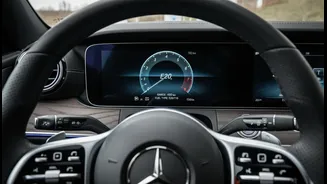
Recently, the conversation around fuel has intensified with the nationwide rollout of E20 petrol (20% ethanol blended with 80% petrol). Following public debate, including claims of drastic mileage drops, Mercedes-Benz India issued a clear statement. The company confirmed that all its BS-VI petrol vehicles are materially compatible with E20 fuel and certified accordingly. This means using E20 will not harm the engine or void the warranty for compliant models. However, it's a scientific fact that ethanol has slightly less energy density than petrol. This results in a small, expected drop in mileage, typically in the range of 3-5%, not the dramatic drops some have feared. Any severe loss of efficiency likely points to other issues like a mechanical fault or contaminated fuel.
Climate and Driving Style
India's climate adds another layer of complexity. The intense summer heat across many parts of the country necessitates constant use of the air conditioner. Running the AC compressor puts a significant load on the engine, which can reduce fuel efficiency by a noticeable margin, sometimes as much as 10-15%. Your personal driving style is just as crucial. Aggressive driving with rapid acceleration and hard braking consumes far more fuel than smooth, steady inputs. Anticipating traffic flow, coasting when possible, and maintaining a steady speed on highways (ideally between 60-80 kmph) can make a significant difference in the kilometres you get from each tank.
Maximising Your Mileage
While you can't control traffic or the weather, you can adopt habits to get the best possible efficiency from your E-Class. Regular maintenance is non-negotiable; ensure your car is serviced on time, with clean air filters and fresh engine oil to reduce friction and help the engine breathe. One of the simplest yet most overlooked checks is tyre pressure. Under-inflated tyres increase rolling resistance, forcing the engine to work harder and consume more fuel. Finally, avoid carrying unnecessary weight in the car, as every extra kilogram requires more energy to move. By being mindful of these factors, you actively contribute to your car's performance and efficiency.