





A Milestone with a Message
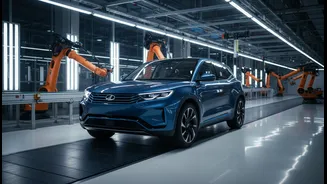
On July 16, 2026, Mahindra & Mahindra’s sprawling manufacturing facility in Chakan rolled out its three-millionth vehicle. But this wasn't just any car. The landmark vehicle was the BE.6, a born-electric SUV, and its selection was a deliberate statement.
Instead of a traditional petrol or diesel model, choosing a flagship EV to mark the occasion highlights the profound shift underway at Mahindra and across the Indian automotive landscape. The production pace itself tells a story of acceleration: the first million vehicles from Chakan took 107 months, while the most recent million were produced in just 27 months, reflecting a nearly four-fold increase in speed. This achievement signals not just manufacturing maturity but also a clear pivot towards next-generation mobility.
Chakan: From Auto Hub to Tech Hub
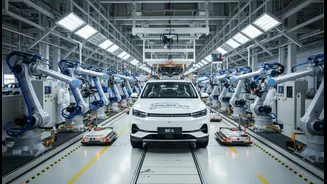
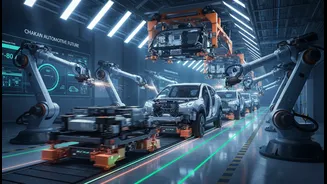
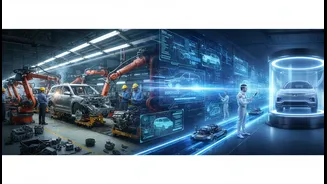
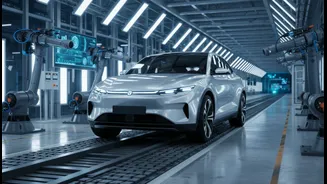
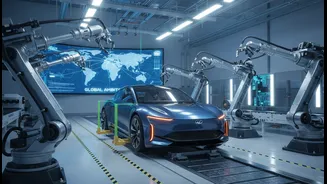
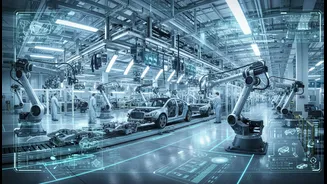
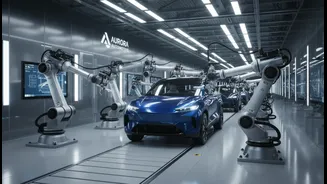
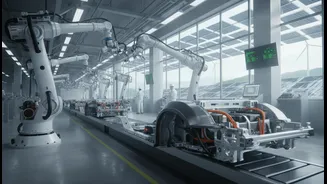
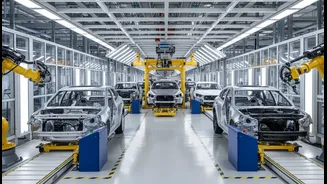
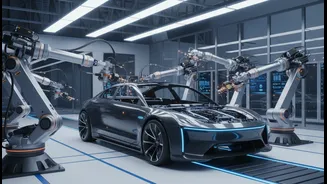
Located near Pune, the Chakan industrial belt has long been a powerhouse of Indian automobile manufacturing. However, it is now evolving from a traditional production hub into a high-tech ecosystem. Mahindra’s plant, which began operations in 2009, is a prime example of this transition. Spread over 657 acres, it is a highly integrated facility that produces 19 different models and over 450 variants, from commercial vehicles to advanced EVs. The plant heavily incorporates Industry 4.0 technologies, using approximately 1,500 robots, AI-driven monitoring, 5G connectivity, and Internet of Things (IoT) systems to enhance efficiency and quality. This level of automation and digitalisation is crucial for the flexibility needed to produce both conventional and electric vehicles on a massive scale.
Defining India's Auto-Tech Shift
The term “auto-tech transition” encompasses far more than just the switch to electric power. It represents a fundamental change in what a vehicle is. Cars are increasingly becoming software-defined platforms, packed with connected features, advanced driver-assistance systems (ADAS), and sophisticated electronics. In India, this is driven by consumer demand for safer, smarter, and more convenient vehicles. Technologies like real-time traffic updates, vehicle-to-everything (V2X) communication, and over-the-air software updates are moving from luxury novelties to mainstream expectations. Automakers are investing heavily in digital infrastructure and talent to build these capabilities, transforming themselves from just vehicle makers into mobility tech providers. The production of complex vehicles in Chakan is a testament to the growing sophistication of India's manufacturing capabilities.
The 'Make in India' Electric Dream
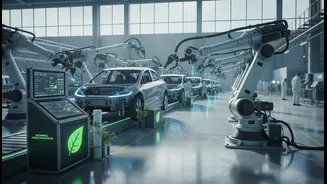
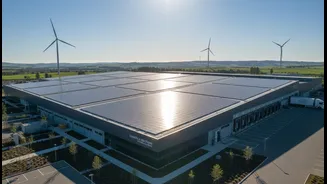
This transition is closely tied to the 'Make in India' initiative, which aims to establish the nation as a global manufacturing and export hub. The government is actively promoting EV adoption through various schemes to reduce dependency on imported oil and curb pollution in urban centers. The focus is not just on assembly, but on deep localisation, including the production of batteries, electric motors, and other critical components. Facilities like Mahindra's Chakan plant, which runs its EV manufacturing operations entirely on renewable energy and is certified as 'Zero Waste to Landfill', showcase how this industrial push is also aligning with sustainability goals. By producing technologically advanced vehicles for both domestic and international markets, Chakan is helping solidify India's position in the global automotive supply chain.