




The Nutritional Powerhouse
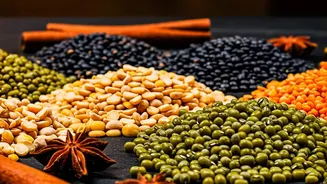
Pulses are a fantastic source of plant-based protein, crucial in a country where a significant portion of the population is vegetarian. By dry weight, most common dals like moong, masoor, and chana contain 20-25% protein. A single serving of cooked dal can provide
a substantial amount of an adult's daily protein needs. Beyond protein, they are packed with dietary fibre, which aids digestion and promotes a feeling of fullness. They are also rich in essential micronutrients like iron, folate, calcium, and zinc but are naturally low in fat. The combination of dal with a cereal like rice or roti creates a complete protein, as the amino acid profiles of each food complement the other. This traditional pairing is not just comforting, but also nutritionally intelligent.
Unbeatable Economic Sense
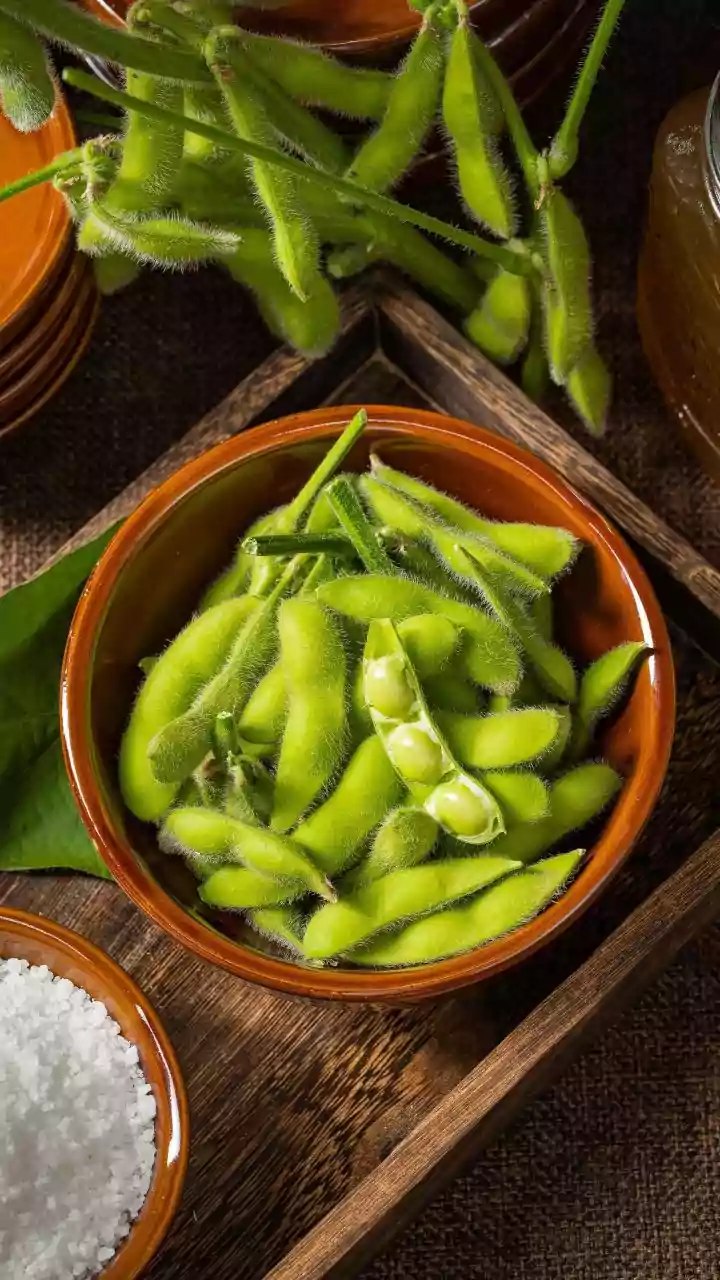
In terms of protein per rupee, few foods can compete with pulses. Soya, dals, and other pulses are consistently ranked as the most affordable protein sources in India. While the prices of animal proteins like chicken, mutton, and even dairy can be volatile and significantly higher, pulses offer a budget-friendly way to ensure the family gets adequate nutrition. A 2026 analysis shows that dals and pulses cost between ₹0.44 and ₹0.66 per gram of protein, making them exceptionally good value. While chicken is more protein-dense per serving, pulses are a more economical and filling option for daily meals, especially when feeding a whole family. This affordability ensures they remain accessible to people across all economic strata.
The Ultimate Culinary Chameleon
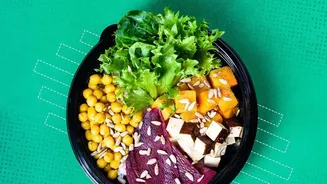
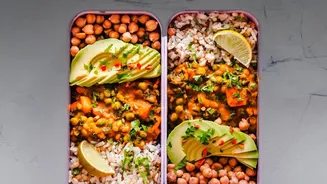
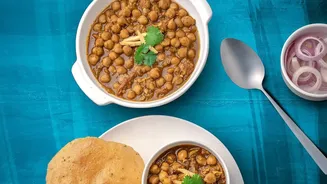
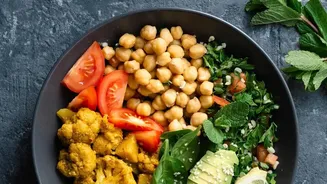
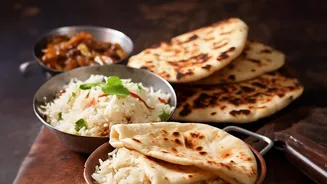
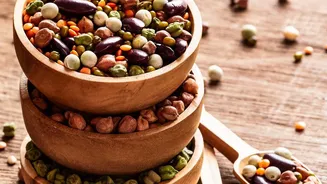
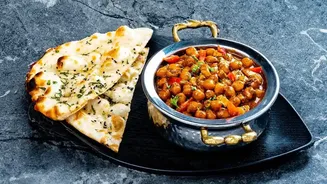
The practicality of pulses is perhaps best demonstrated by their incredible versatility in the kitchen. From the comforting dal tadka of the north to the tangy sambar of the south, every region has its own signature pulse-based dishes. They can be transformed into a startling variety of textures and forms. They are boiled into soupy dals, ground into batters for dosas and idlis (like urad dal), sprouted for salads (like moong), mashed for fillings, and even roasted for snacks. Pulses like chickpeas (chana), kidney beans (rajma), and black-eyed peas (lobia) form the base of hearty curries that can be a meal in themselves. This adaptability means they can be the star of a simple daily meal or part of a lavish festive feast, proving their indispensable role in Indian cuisine.
A Friend to the Farmer and the Planet
The practicality of pulses extends beyond the kitchen and into the fields. Many pulse crops are relatively drought-resistant and require less water compared to staples like rice, making them a smart choice for farmers in water-scarce regions. One of their most significant agricultural benefits is their ability to perform nitrogen fixation. They host bacteria in their root nodules that convert atmospheric nitrogen into a form that plants can use, naturally enriching the soil and reducing the need for synthetic fertilisers. By planting pulses in rotation with other crops, farmers can improve soil health, promote biodiversity, and build more resilient and sustainable agricultural systems. This makes pulses not just good for our bodies, but good for the environment too.