




Create a Cohesive Story
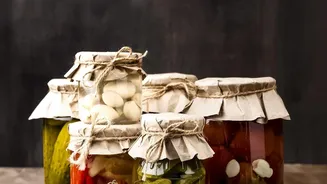
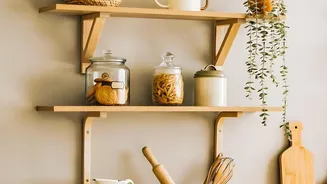
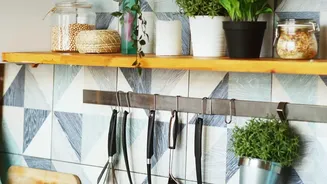
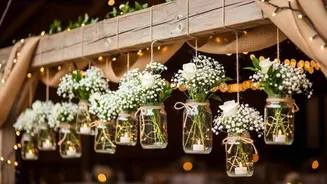
The fastest way to turn a collection of items into a deliberate display is by establishing a common thread. Instead of scattering random pieces, group them to create a unified look. You could focus on a single colour, like a cluster of white ceramic pitchers
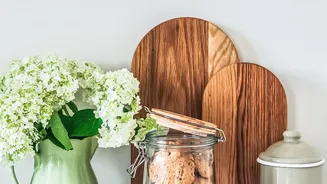
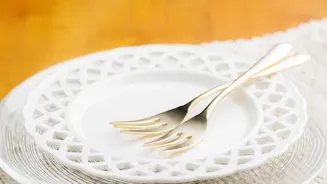
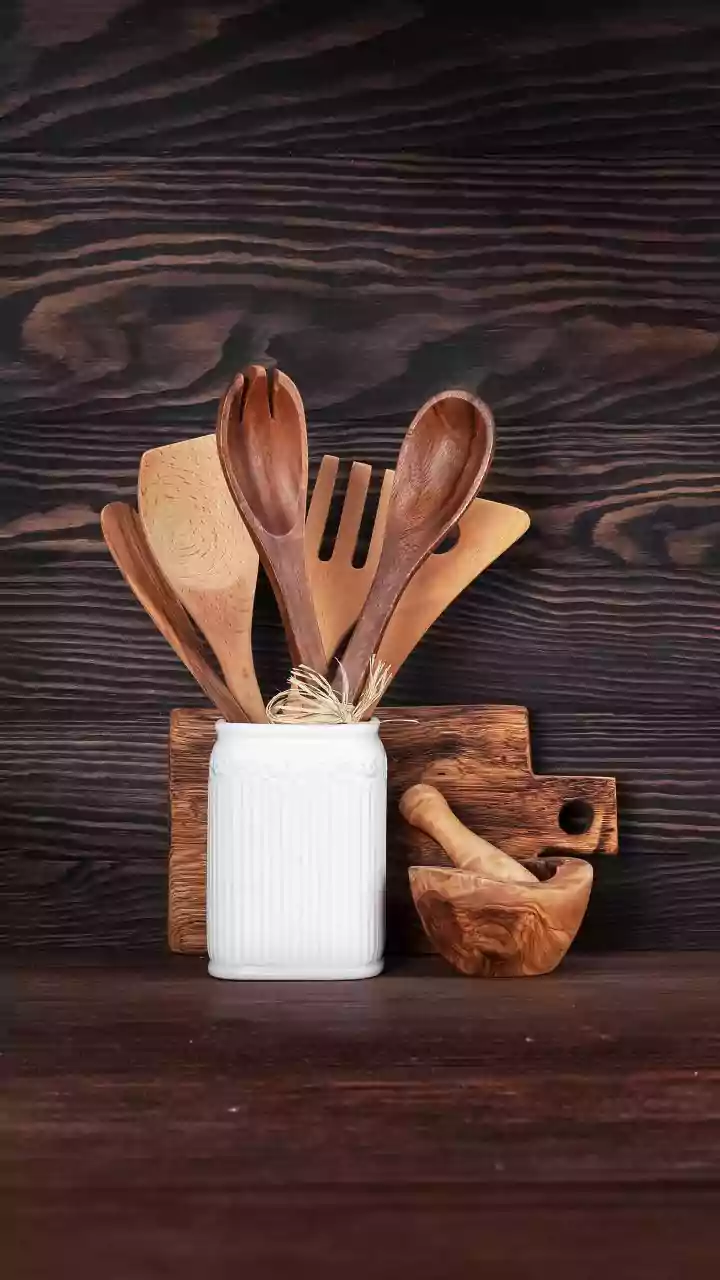
or blue Mason jars. Alternatively, stick to a specific material, such as grouping wooden cutting boards or shiny silver utensils. This repetition of colour, texture, or material tells your eyes that these items belong together, transforming them from a random assortment into a thoughtful collection.
Give Every Piece a Purpose
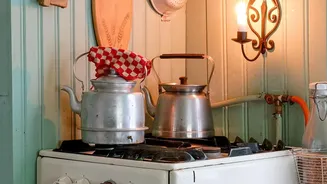
Many upcycled items look most at home when they are given a new job to do. This ensures they feel functional, not just like forgotten objects. A vintage colander, with its built-in drainage, makes an excellent planter for your porch. An old coffee pot can become a unique terrarium, and a handsome teapot can serve as a vase for fresh flowers. Even smaller items can find new life; antique cheese graters have been cleverly turned into earring holders, and vintage spoons bent into unique drawer pulls. When an item has a clear function, it earns its place in your home rather than just taking up space.
Master the Art of Grouping
How you arrange your items is just as important as what you choose. Interior designers often use the 'rule of three,' grouping objects in odd numbers like three or five to create a more dynamic and visually appealing arrangement. When placing your items, vary their heights to create a more interesting silhouette. You can place taller items in the back and shorter ones in the front. Containing a small collection on a tray or within a specific zone, like a single shelf or a mantelpiece, also helps to define it as a single, curated display rather than spillover from the kitchen.
Embrace the Power of Negative Space
One of the biggest mistakes in displaying a collection is overcrowding. Each beautiful piece deserves its own moment to shine, which is only possible if you give it 'breathing room'. Think of your shelf or surface like an art gallery; you wouldn't cram paintings edge-to-edge on a wall. Leaving empty space around your repurposed kitchenware prevents the display from feeling heavy and overwhelming. This negative space allows the eye to rest and appreciate each object individually. A few well-chosen items with ample space around them will always look more sophisticated and intentional than a jumble of dozens of things packed together.
Think Beyond the Kitchen
Taking kitchen-related items out of their natural habitat can create a delightful element of surprise. A beautiful stack of patterned plates can become graphic wall art in a dining room or hallway. A vintage wooden rolling pin could be repurposed as a towel holder in a guest bathroom, or a rustic breadboard can serve as a pedestal for a candle and a small plant in the living room. By placing these items in unexpected contexts, you elevate them from mere utensils to conversation-starting pieces of decor that showcase your creativity and personal style.
Edit With a Curatorial Eye
Finally, the most crucial step in avoiding clutter is learning to edit your collection. Not every piece of vintage kitchenware you find needs to be displayed. Be selective and curate your decor just as a museum would curate an exhibition. Choose the items that are most beautiful, meaningful, or interesting, and store the rest. It can be helpful to rotate your collection seasonally, swapping pieces out to keep your decor feeling fresh and new without adding more items to your surfaces. The goal is to build a home that reflects your personality, not to create a storage unit for every interesting object you come across.