



The Daily Ritual: Masala Chai
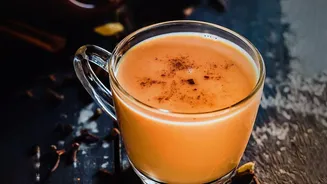
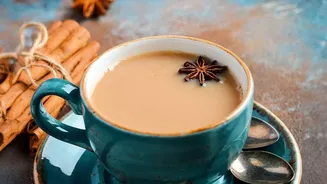
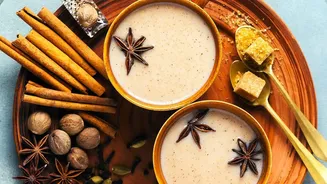
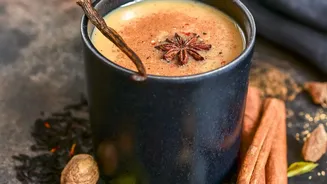
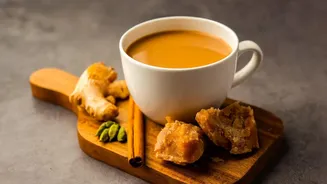
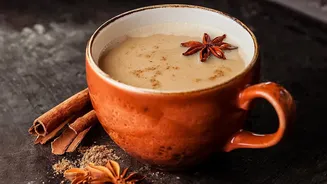
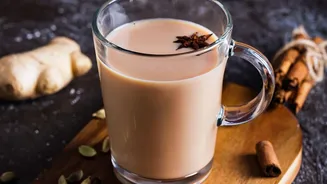
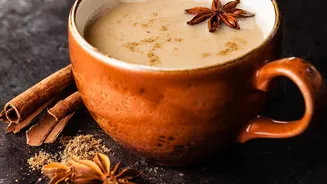
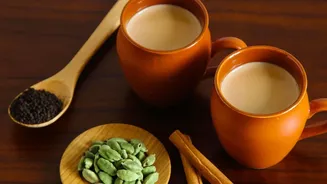
For most of us, 'chai' means Masala Chai. It's the aromatic, spicy brew found in countless homes and on every other street corner. The method is a familiar comfort: water, tea leaves, sugar, and a vibrant blend of spices like cardamom, ginger, cloves,
and cinnamon are all brought to a boil in a single pot. Milk is added, and the mixture is simmered to let the flavours meld. The result is a beautifully balanced, spicy, and invigorating drink that provides a welcome jolt of energy and warmth. It’s a one-pot wonder, a quick and efficient way to create a complex and satisfying beverage.
A Different Philosophy: The Irani Approach
Irani chai operates on a completely different principle. Brought to India by Persian immigrants in the 19th and early 20th centuries, this style of tea became a cornerstone of the iconic Irani cafés in cities like Hyderabad and Mumbai. Unlike Masala Chai's all-in-one method, the magic of Irani chai lies in separation. The tea and the milk are prepared in entirely different vessels, each undergoing a slow, patient process before they are finally combined in the cup just before serving. This two-part preparation is the fundamental secret to its unique character.
The Heart of the Matter: The Milk Base
The defining feature of Irani chai is its incredibly rich and creamy milk base. This isn't just milk boiled with tea; it's a creation in itself. Full-fat milk, sometimes buffalo milk for its higher fat content, is simmered on low heat for hours. This process slowly reduces the milk, evaporating the water content and concentrating the milk solids. Often, 'khoya' or 'mawa'—which are essentially milk solids obtained from this long simmering process—is added to expedite the thickening and enrich the flavour even further. Some modern recipes use condensed milk for a similar effect. The result is a thick, slightly sweet, and velvety liquid that bears more resemblance to a thin rabri or dessert base than to regular milk.
Brewing a Potent Decoction
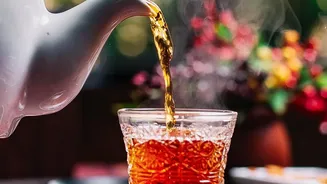
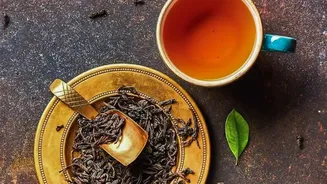
While the milk is undergoing its transformation, the tea decoction is brewed separately. To stand up to the intensely rich milk, the tea has to be exceptionally strong. Potent black tea leaves, often a robust Assam variety, are simmered for an extended period to create a dark, concentrated liquor. Some traditional methods even use a 'dum' technique, where the pot is sealed to trap steam and extract the maximum flavour from the leaves. While Masala Chai is about an infusion of spices, traditional Irani chai is often less spiced, focusing purely on the deep flavour of the tea and the creaminess of the milk, though a hint of cardamom is sometimes included.
The Final Assembly: A Perfect Union
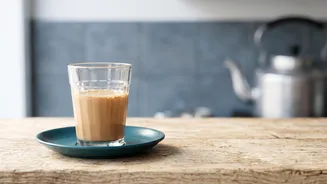
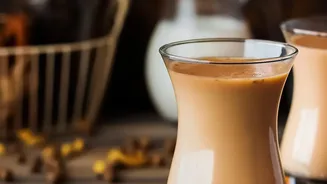
The final act of making Irani chai happens right at the moment of serving. The thick, sweetened milk is poured into the cup first, filling it partway. Then, the strong, dark tea decoction is poured on top. This method allows the drinker to experience the two distinct components as they blend into a harmonious whole. The resulting beverage is luxuriously smooth, with a subtle sweetness and a powerful tea flavour that cuts through the richness of the milk. It lacks the sharp, spicy kick of Masala Chai, offering instead a comforting, velvety texture and a deep, malty flavour profile.
More Than a Drink: An Enduring Culture
The difference between these two chais extends beyond the recipe; it’s about the culture they represent. Masala Chai is the fast-paced, everyday fuel of a nation. Irani chai, on the other hand, is intrinsically linked to the nostalgic, unhurried atmosphere of the Irani café—a place for conversation, community, and savouring the moment. Served in its classic white ceramic cup, often with an Osmania biscuit on the side, it represents a cherished culinary tradition and a piece of Persian history that has become a beloved part of India's fabric.