

The Moon: A Beautiful Source of Light Pollution
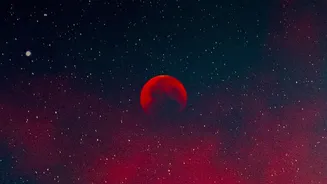
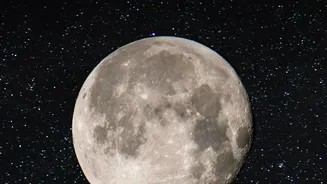
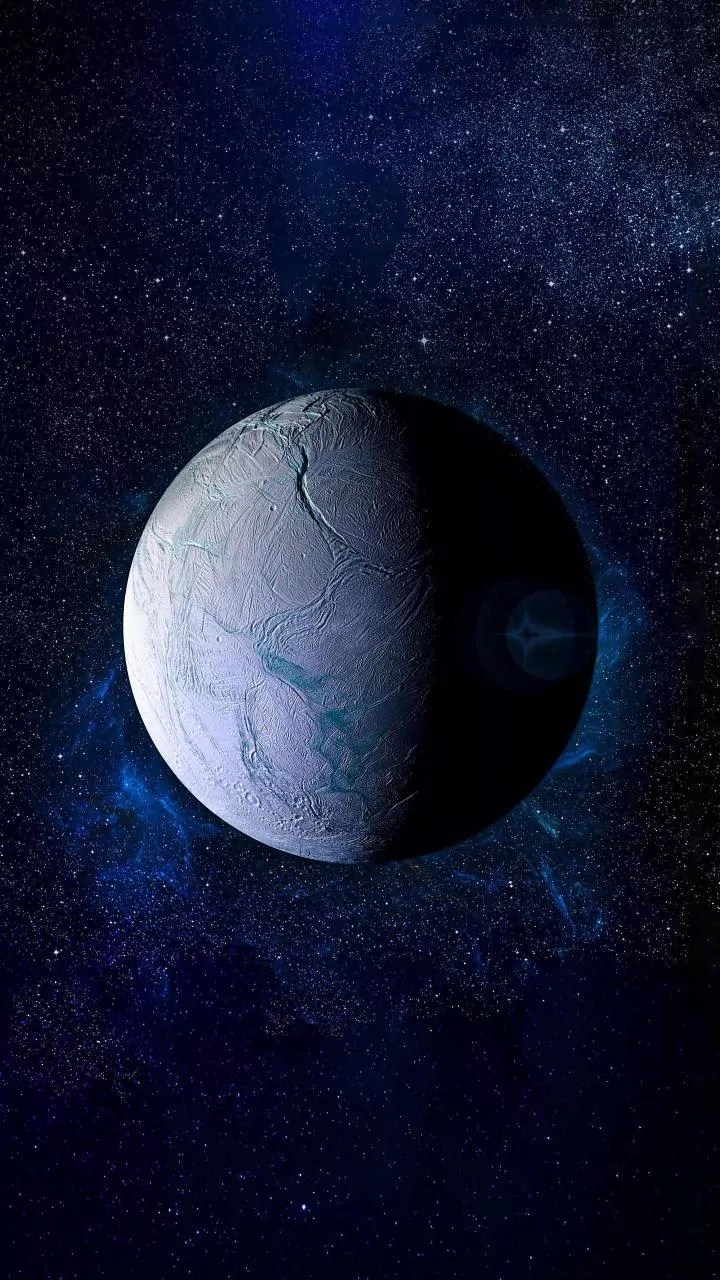
We rarely think of the Moon as a polluter, but for astronomers and stargazers, its bright glow can be a beautiful nuisance. Moonlight is simply reflected sunlight. When the Moon is full, it's incredibly bright, casting a glow across the sky that functions
like natural light pollution. This phenomenon, sometimes called 'moonglow', washes out the light from fainter celestial objects, making them difficult or impossible to see. During a full moon, the number of stars visible to the naked eye can drop by as much as 90%, from thousands to just a few hundred. Even a bright crescent can significantly reduce what you can see.
The Science of a Dark Sky
To truly appreciate the cosmos, you need contrast. Our eyes adapt to darkness by dilating our pupils to let in more light, a process crucial for seeing faint objects. Bright moonlight hinders this dark adaptation. It scatters off molecules in the Earth's atmosphere, creating a diffuse brightness that reduces the contrast between distant stars and the background sky. This is why even in areas with no artificial lights, a full moon can make the sky as bright as a city centre. The optimal time for stargazing is during the new moon phase, when the Moon is positioned between the Earth and the Sun, leaving its unlit side facing us and making it invisible in the night sky. This creates the darkest possible conditions.
Treasures of the Moonless Night
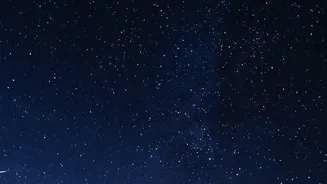
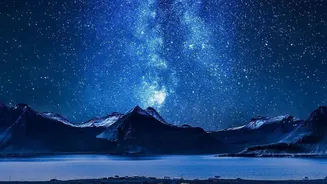
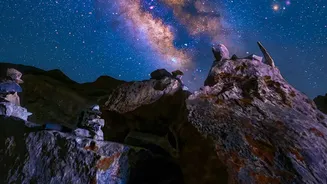
So, what exactly emerges when the Moon disappears? The difference is dramatic. First and foremost, the Milky Way, our own galaxy, becomes visible as a brilliant, hazy band stretching across the sky. On a moonlit night, it's completely washed out. Beyond our galaxy, a moonless sky reveals faint deep-sky objects. With just a pair of binoculars or a small telescope, you can hunt for nebulae, which are vast clouds of gas and dust where stars are born, like the beautiful Veil Nebula in the constellation Cygnus. You can also spot distant galaxies like the Andromeda Galaxy, which appears as a faint, fuzzy patch to the naked eye under very dark skies. Star clusters—groups of stars born together—also pop into view, such as the Pleiades or the Butterfly Cluster.
How to Plan Your Stargazing Adventure
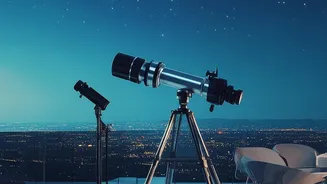
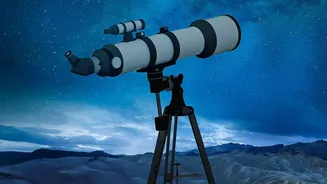
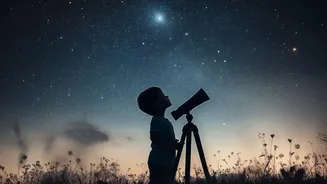
Timing is everything. The first step is to check a lunar calendar for the dates of the new moon. The window of opportunity is generous; the three days before and after a new moon also offer excellent, dark conditions. Next, find a location away from city lights. Artificial light pollution is a major obstacle, and combining it with moonlight makes viewing nearly impossible. Parks, rural areas, or designated dark-sky reserves are your best bet. You don’t need expensive equipment to start. Many celestial wonders are visible to the naked eye, and a good pair of binoculars can reveal even more. Lastly, give your eyes time to adjust. It can take up to 30 minutes for your vision to fully adapt to the darkness, so avoid looking at bright screens. Use a red torch if you need light, as it has a minimal impact on your night vision.
What About the Planets?
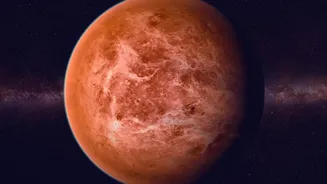
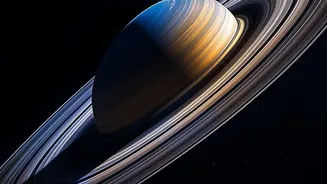
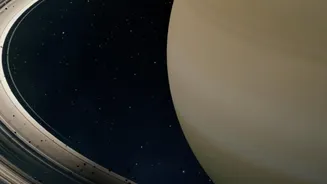
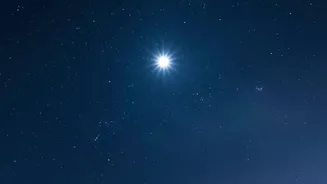
Interestingly, not all stargazing is ruined by a full moon. Bright planets like Venus, Mars, Jupiter, and Saturn are often still clearly visible. In fact, some observers find that a little moonlight can even enhance the view of these neighbours by making their atmospheres stand out against the slightly brighter sky. You can easily spot Jupiter and Mars with the naked eye, though binoculars or a telescope will offer a much more detailed look, potentially revealing Jupiter's larger moons. So, if a bright moon coincides with your free evening, you can always shift your focus to the planets of our solar system.