






Meet the New Generation of Berries
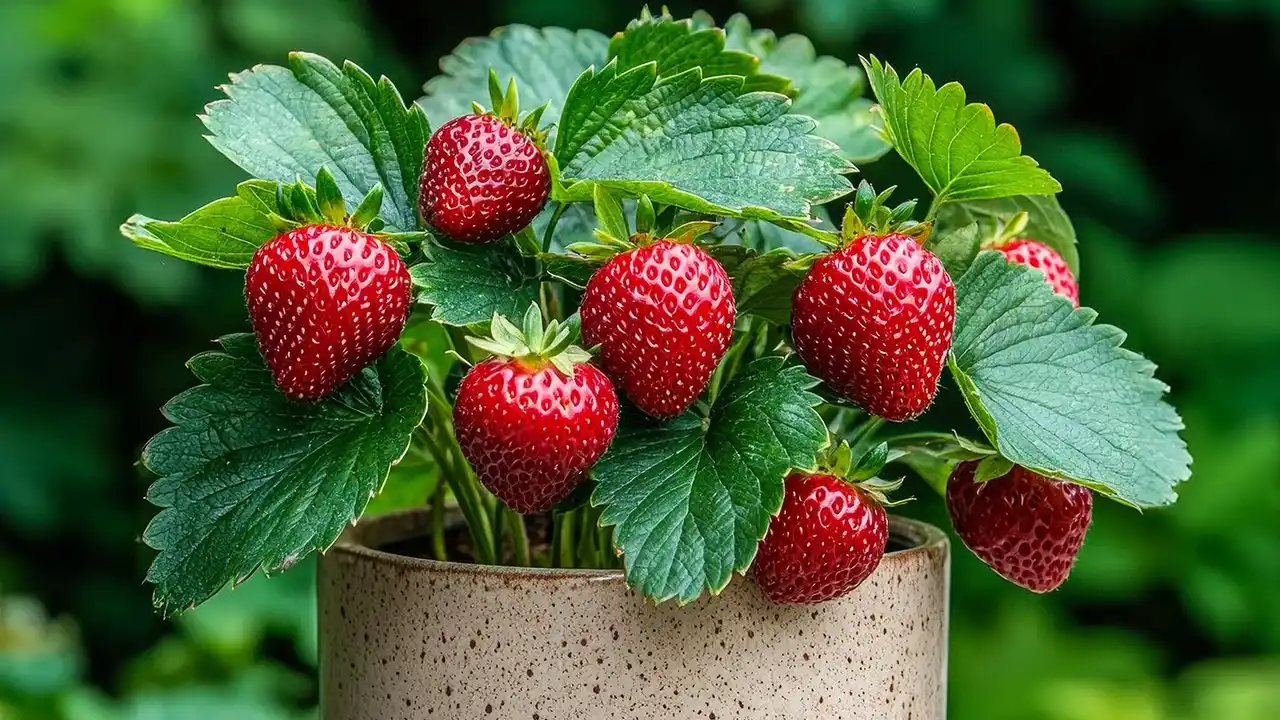
The most significant recent development isn’t a single discovery from a local lab, but the successful introduction and adoption of internationally developed strawberry varieties tailored for Indian conditions. Cultivars like Sweet Sensation™ and Florida
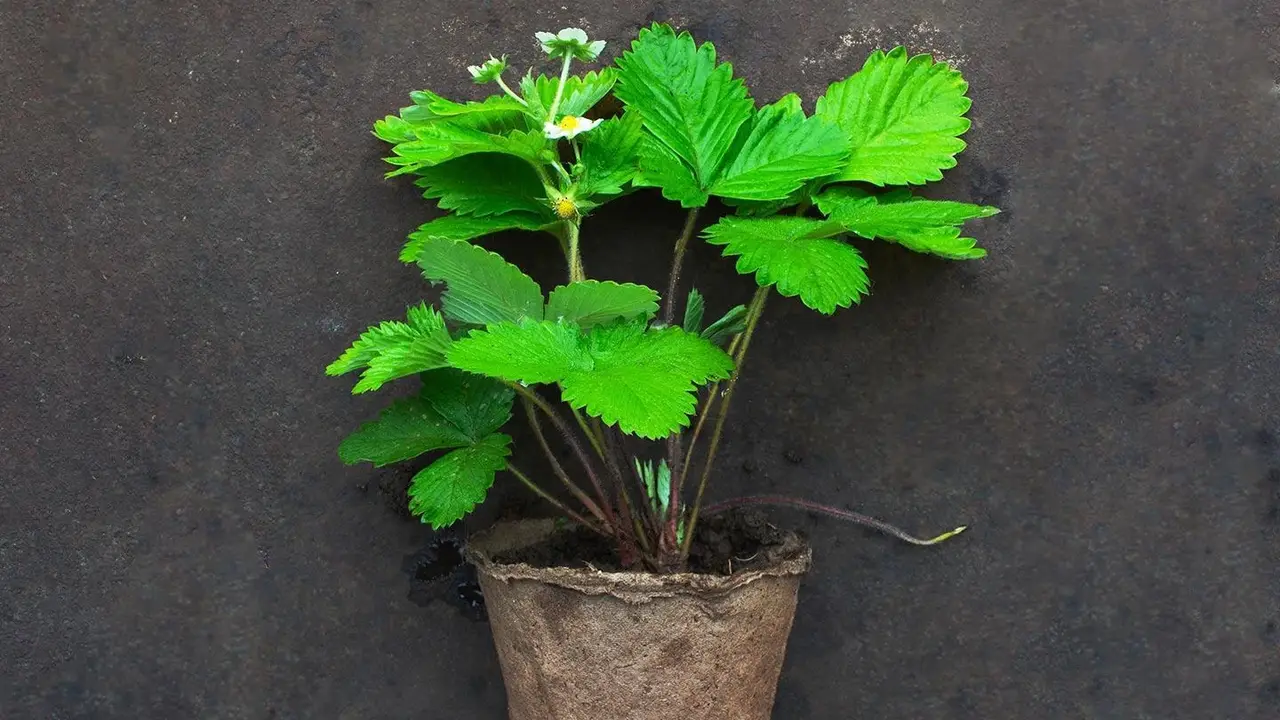
Felicity®, developed by the University of Florida's breeding program, are gaining significant ground. Alongside them, the proven Winter Dawn™ variety is enabling cultivation in subtropical climates, while new Italian varieties are being introduced through partnerships with Indian agribusiness firms. These are not your average strawberries; they are predominantly 'short-day' plants, engineered for traits like heat tolerance, high yields, and robust disease resistance, making them suitable for cultivation outside of the cool hill stations.
What This Means: Strawberries Beyond the Hills
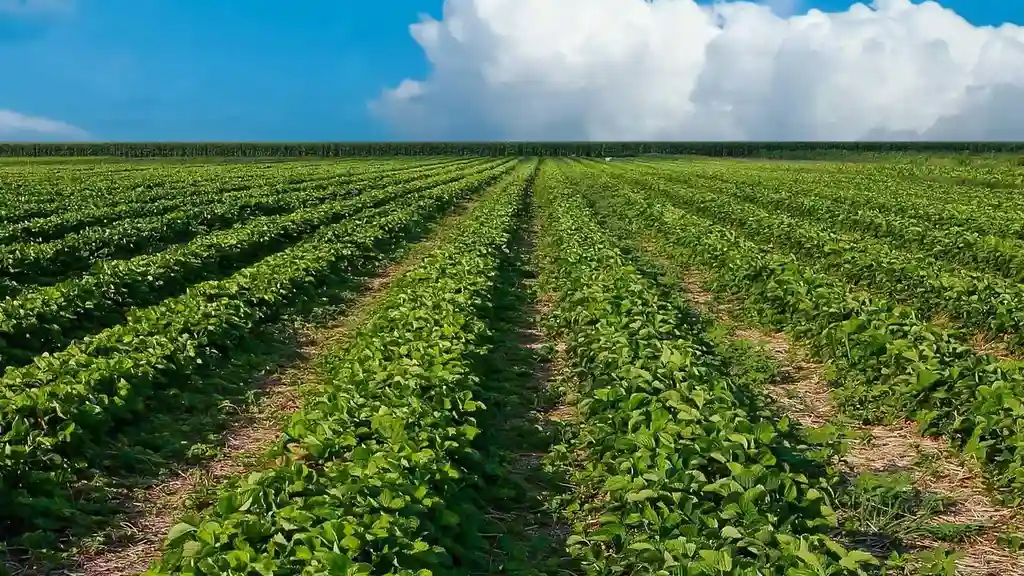
The primary impact of these new varieties is geographic expansion. For the first time, large-scale commercial strawberry cultivation is becoming viable in the plains and non-traditional areas of states like Haryana, Punjab, Uttar Pradesh, and Rajasthan. This move diversifies India's strawberry production, which has historically been concentrated in a few pockets, with Mahabaleshwar alone accounting for roughly 85% of the country's output. For farmers in these new regions, it presents a lucrative opportunity to cultivate a high-value crop that can deliver significantly better returns than many traditional crops. This expansion means a more stable national supply, less dependent on the climatic fortunes of a single region.
A Better Berry for Consumers
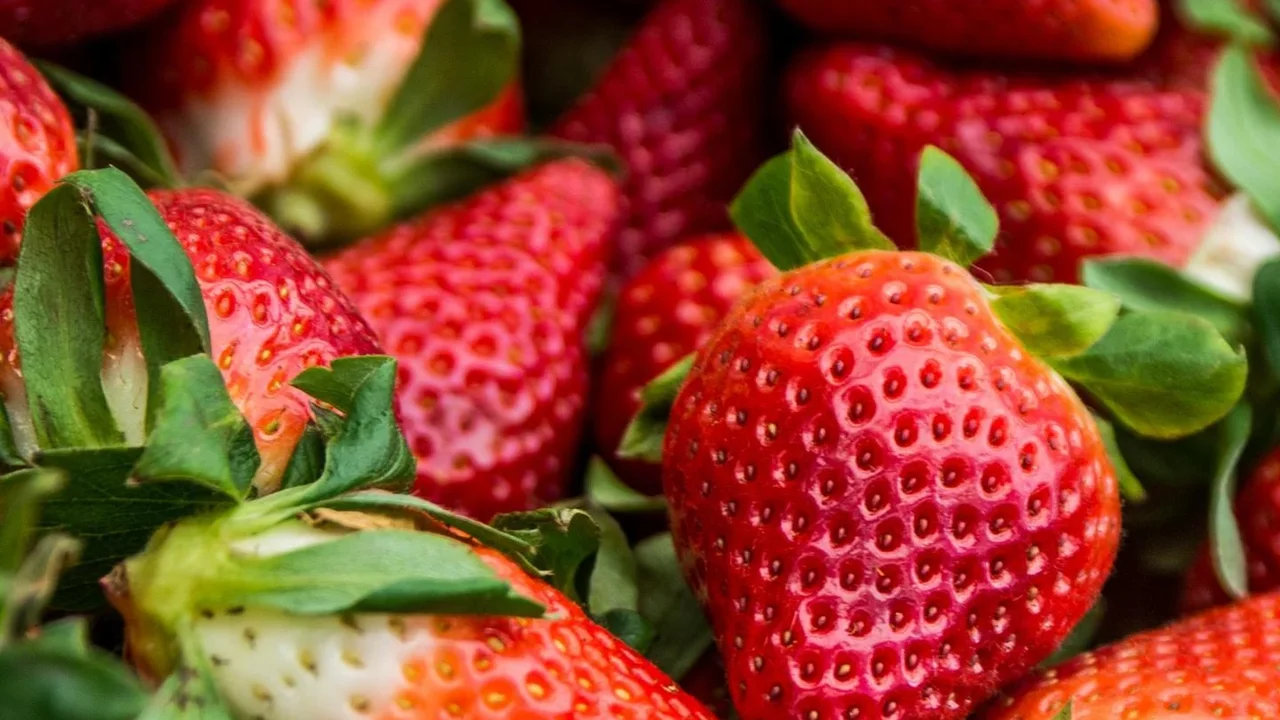
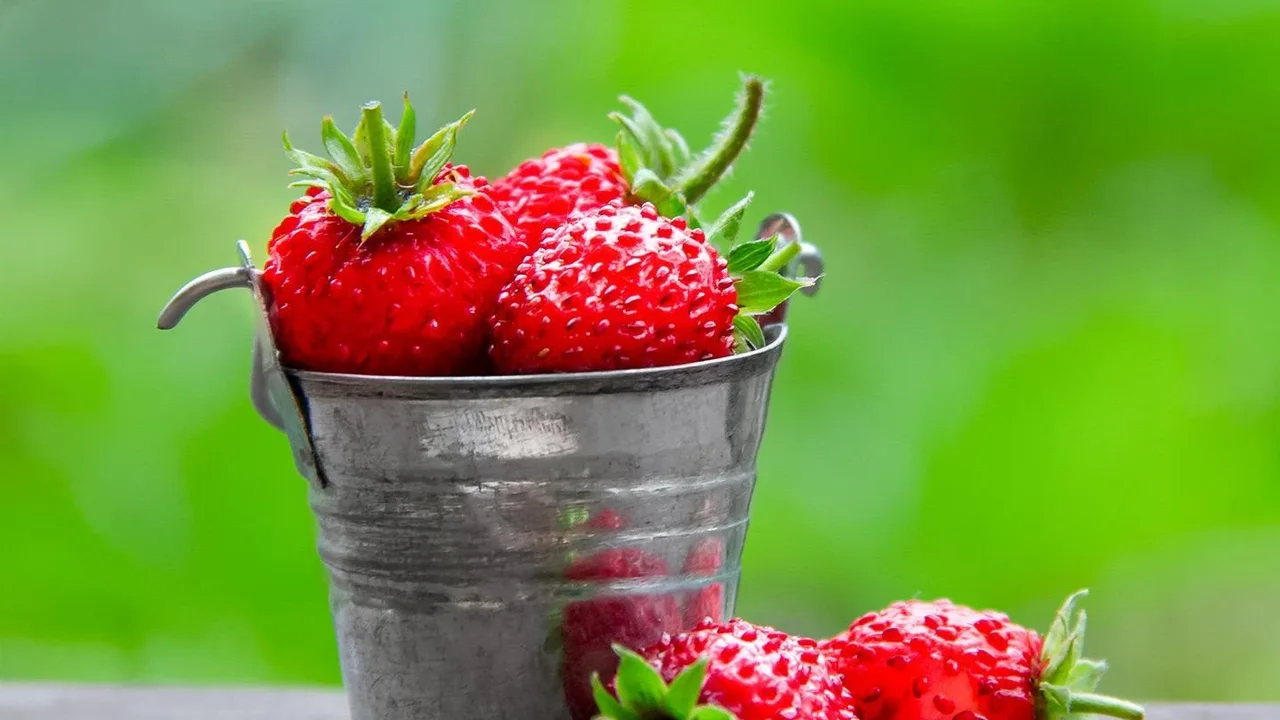
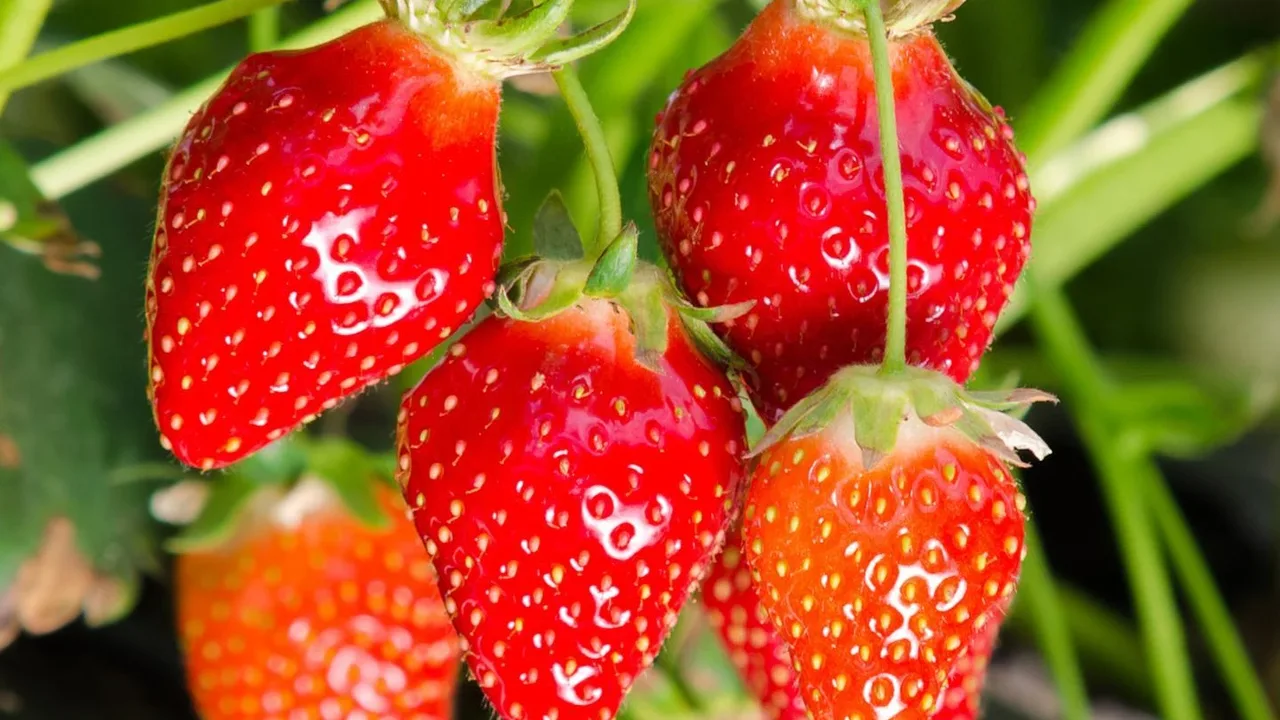
This development is also good news for the end consumer. The new-generation varieties have been bred for superior qualities that the market desires. Cultivars like Sweet Sensation™, for example, are known for their exceptional flavour, uniform size, and attractive bright red, glossy appearance. Perhaps most importantly, they boast a longer shelf life, which is a critical factor for a highly perishable fruit. This reduces waste in the supply chain and ensures that the strawberries reaching your local market are fresher and of higher quality. A wider growing region could also potentially extend the availability of fresh strawberries beyond the traditional October to April window.
What It Does Not Mean: An Overnight Price Crash
While promising, this development is not a silver bullet. Firstly, it does not mean strawberries will become as cheap as bananas overnight. Cultivation remains intensive and expensive, requiring significant investment in high-quality planting materials, soil preparation, and irrigation. The cost for farmers to adopt these new varieties is substantial. Secondly, it doesn’t make traditional growing regions like Mahabaleshwar obsolete. The unique red soil and cool climate of that region impart a distinctive taste and quality that will likely continue to command a premium. Finally, widespread adoption takes time. The journey from a few successful trial farms to mainstream cultivation across several states will be a multi-year process involving farmer training, establishing supply chains, and building market linkages.
The Business of Breeding
This agricultural shift is powered by a new business model. International breeders, such as those at universities or private firms like Italy's Nova Siri Genetics, develop the parent varieties. They then partner with Indian companies, which act as master licensees. These Indian firms manage the varieties, oversee nurseries for propagating high-quality runner plants, and distribute them to farmers. This ensures that farmers get access to genetically pure, healthy plants, which is the foundation of a successful harvest. This structured approach, moving from lab to licensed nursery to farm, is crucial for scaling up production and maintaining the quality associated with these advanced cultivars.