


The Gruelling Road North
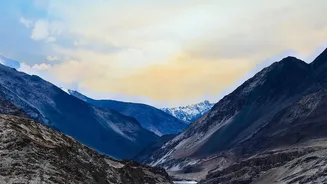
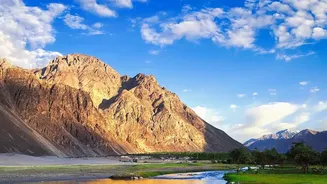
Until now, the only way for travellers to enter the serene Nubra Valley has been a challenging road trip from Leh. The journey, spanning approximately 150 kilometres, takes a demanding five to six hours. This is no ordinary highway drive; it involves
navigating the formidable Khardung La, one of the world's highest motorable passes, which sits at an altitude of over 17,500 feet. While the views are spectacular, the drive is arduous, with winding roads, the risk of altitude sickness, and frequent closures during winter months due to heavy snowfall. This has historically limited the tourist season and made the valley inaccessible for those with tight schedules, health concerns, or travelling with young children.
A Game-Changer on the Horizon
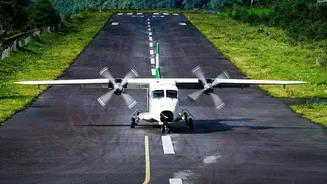
The game-changer is the plan to open Thoise, a military airfield located within Nubra Valley, to commercial passenger flights. Authorities are now targeting December 2026 to begin civilian operations, a move that would make Ladakh's remote northern regions accessible by air for the first time. Currently, Ladakh has only one commercial airport in Leh. The plan involves building a new terminal for which the Indian Air Force has allocated land, and runway strengthening work is already in progress. This initiative, part of the government's regional connectivity scheme (UDAN), aims to connect one of India’s most remote and beautiful areas with the rest of the country.
From Hours to Minutes
The single biggest impact of these planned flights will be the drastic reduction in travel time. A journey that currently consumes the better part of a day will be reduced to a short flight, likely under an hour from hubs like Delhi or even shorter from Leh. This newfound accessibility would be revolutionary. Tourists could potentially fly directly into the heart of Nubra, bypassing the strenuous road journey and the need for intense acclimatization associated with crossing high passes. It opens up the valley to a wider range of visitors, including those on shorter holidays, elderly travellers, and families who were previously deterred by the demanding overland route. It also improves connectivity for residents of Nubra, making travel for essentials far easier.
Unlocking New Destinations and Opportunities
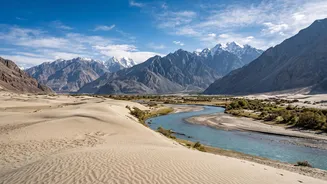
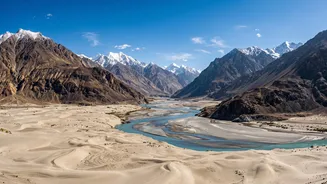
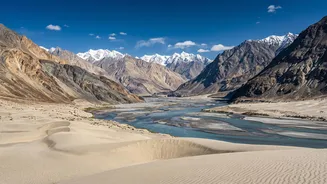
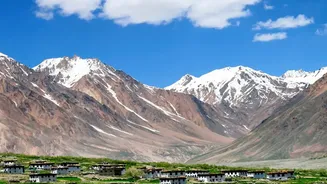
Direct air access to Thoise won't just make visiting popular spots like Hunder and Diskit easier; it will also serve as a gateway to more remote destinations. Areas like the historically significant village of Turtuk, which was opened to tourism relatively recently, and the region near the Siachen Base Camp will become more accessible. This is expected to provide a significant boost to the local economy. With more tourists able to visit, especially during the shoulder seasons, homestays, guesthouses, and local businesses are poised to benefit from a longer and more robust tourist season. This development is seen as a crucial step in unlocking the immense tourism potential of Ladakh's border regions.
The Path Forward
While the target for launching the first flights is set for the end of 2026, several steps remain. Authorities are working to refurbish an existing terminal for initial operations while a new civil enclave is constructed. A major hurdle will be attracting airlines to operate on this new route, as previous attempts under the UDAN scheme did not receive bids. As visitor numbers are expected to rise, there is also a growing conversation around the need for sustainable and responsible tourism to protect Nubra's fragile desert ecosystem from the pressures of increased footfall. For now, no commercial airline has announced a schedule, but the wheels are firmly in motion.