









The Weekend Hunger Phenomenon
For many, the rhythm of a Sunday is fundamentally different from the rest of the week. The frantic rush of weekday mornings is replaced by a slower, more relaxed pace. This often involves sleeping in, sometimes by a few hours, to 'catch up' on sleep lost
during the busy work week. While it feels like a well-deserved reset, this shift in your sleep schedule can throw your body’s internal systems, including your appetite, into a state of confusion. This discrepancy between your body's internal clock and your social schedule is the key to understanding why your Sunday eating habits can feel so out of step with the rest of your week.
Meet Your Social Jetlag
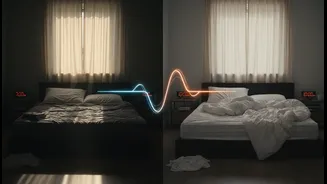
Scientists have a name for this feeling: 'social jetlag'. It’s the misalignment between your biological clock (your circadian rhythm) and the schedule you keep due to social and professional obligations. Think of it like flying to a slightly different time zone every weekend without leaving your home. During the week, you force your body to wake up early. On the weekend, you revert to its preferred, often later, schedule. This constant shifting can be a subtle but chronic stressor for your body. Studies show that even a one-hour difference between your weekday and weekend sleep schedule can have measurable effects on your metabolic health.
The Hormonal Hunger Games
Your appetite isn't just about an empty stomach; it's a complex dance regulated by hormones, primarily ghrelin and leptin. Ghrelin is the 'go' hormone that tells your brain you’re hungry, while leptin is the 'stop' hormone that signals fullness. Sleep plays a crucial role in keeping these two in balance. When your sleep schedule is disrupted by social jetlag, the production of these hormones can be thrown off kilter. Studies have found that circadian misalignment can lead to higher levels of ghrelin, the hunger hormone, and lower levels of leptin, the satiety hormone. This hormonal cocktail effectively leaves you feeling hungrier and less satisfied, even if you’re eating enough.
Why Sunday Gets Weird
Here’s how it plays out on a typical Sunday. After sleeping in, your body’s clock for meal timing is delayed. The normal morning hormonal cues for hunger might be blunted or absent. You might not feel hungry for breakfast at all. But as the day progresses, the effects of the circadian shift catch up. The hormonal imbalance can lead to increased hunger later in the day, a diminished sense of fullness after eating, and even stronger cravings for high-calorie, sugary, and fatty foods as your brain's reward centers become more active. This explains why you might find yourself snacking more or feeling unusually hungry for a large dinner on Sunday evening, as your body tries to navigate its confusing internal signals.
Syncing Your Body Clock
While catching up on sleep is important, consistency is king when it comes to regulating your body’s rhythms. Minimizing social jetlag doesn't mean you can never sleep in again. Instead, it’s about reducing the gap between your weekday and weekend schedules. Try to keep your wake-up time on Saturday and Sunday within an hour of your weekday alarm. If you’re tired, a short afternoon nap is a better option than sleeping for hours past your usual wake-up time. Getting sunlight exposure early in the day, even on weekends, can also help anchor your circadian rhythm. Eating a small breakfast when you wake up, even if you don't feel particularly hungry, can also help signal to your body that the day has started.