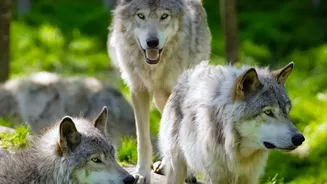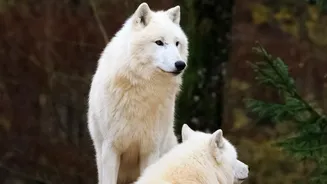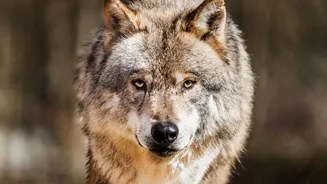





The Great Predator's Return
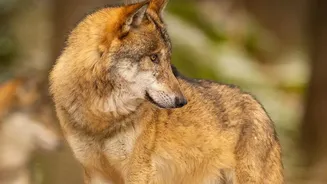
Across Europe, from the rugged mountains of Italy to the dense forests of Poland, wolf populations are rebounding. Decades of conservation work, legal protections under EU directives, and the natural expansion of prey like deer and wild boar have created
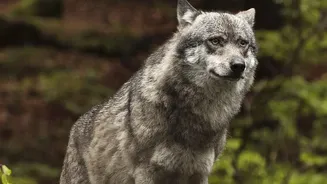
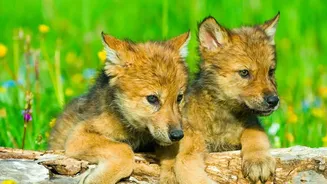
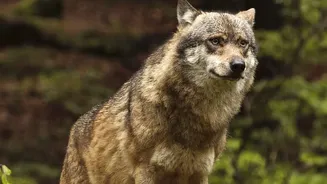
the conditions for a comeback. The continent's wolf population has grown significantly, with estimates suggesting around 21,500 individuals now roam across Europe. This revival is a testament to nature's resilience and is reshaping ecosystems. Wolves, as a keystone species, help maintain balance by naturally managing herbivore populations, which in turn benefits forest and habitat health. This rewilding process is not just an ecological victory; it has also unlocked a new frontier for travellers seeking authentic and profound wildlife encounters.
Italy: The Apennine Wolf Adventure
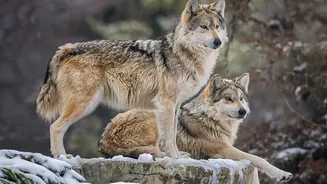
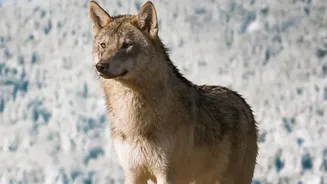
Italy’s Abruzzo, Lazio and Molise National Park is the historic heartland of the Italian wolf's survival and one of the best places in Europe to try and see them. Here, the Apennine wolf, a distinct subspecies, survived against the odds. Today, a number of wolf packs inhabit the park, and a responsible tourism industry has grown around them. Local operators offer multi-day tracking tours, especially popular in winter when snow makes finding tracks easier. Led by expert guides, these trips are immersive experiences. You learn to identify tracks and other signs, use spotting scopes to scan valleys at dawn and dusk, and understand the complex relationship between wolves and the local communities that have coexisted with them for generations.
Spain: Europe's Wolf Watching Hotspot
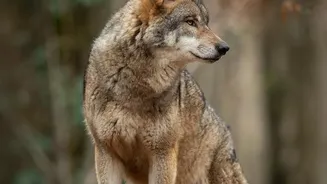
For the highest chance of a sighting, many experts point to northern Spain. The Sierra de la Culebra mountain range in Zamora province is renowned for having one of the highest densities of Iberian wolves in Western Europe. The landscape of open valleys and rolling hills offers excellent visibility, making it a premier destination for wolf watchers. Local companies lead guided excursions, typically at dawn and dusk when the wolves are most active, using powerful telescopes to observe the animals from a respectful distance without disturbing them. Another key area is the nearby Riaño Mountains, which have also become a top region for wolf-watching expeditions. These trips contribute to the local economy, creating a financial incentive for conservation.
Romania: A Journey into the Wild Carpathians
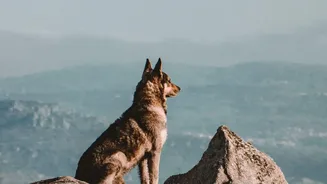
For a truly rugged and wild experience, the Carpathian Mountains in Romania are unparalleled. This vast mountain range is a stronghold for large carnivores, including a significant population of Eurasian wolves, brown bears, and lynx. Wolf tracking here is less about comfortable viewing points and more about deep immersion in one of Europe’s last great wildernesses. Tour operators offer multi-day treks where you join wildlife researchers to look for tracks, listen for howls, and learn about the delicate ecosystem. These experiences allow travellers to combine adventure with cultural discovery, often staying in local guesthouses in historic Transylvanian villages.
The Reality of a Wolf Safari
It’s crucial to set the right expectations. Unlike an African safari, seeing a wolf in Europe is never guaranteed; they are famously shy and elusive. A successful trip is not just about the sighting but the entire experience: the thrill of the search, the beauty of the wild landscapes, and the knowledge gained from expert local guides. Ethical tourism is paramount. Choosing operators who prioritize the animals' welfare, contribute to local conservation, and educate visitors on the challenges of human-wolf coexistence is key. These trips are often more about learning to read the story the landscape tells—through a paw print in the mud, a distant howl, or the nervous behaviour of deer—than about getting the perfect photograph. The magic lies in knowing they are out there, a sign of a wilder, healthier Europe.