

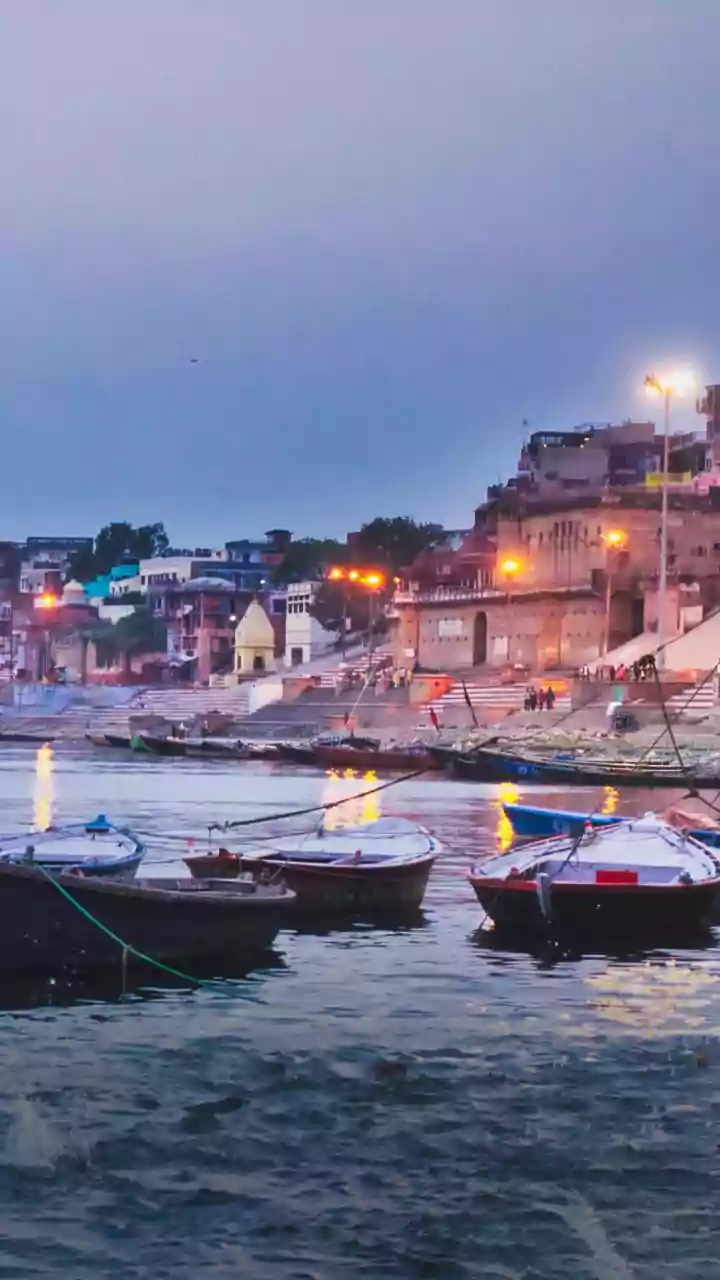
A Modern Solution for an Ancient City
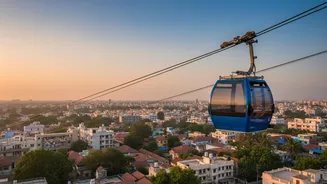
As India's first urban public transport ropeway, the Kashi Ropeway is a landmark infrastructure project set to transform Varanasi. Spanning approximately 3.75 kilometres, it will connect the busy Varanasi Cantonment railway station with Godowlia Chowk,
the main gateway to the Kashi Vishwanath Temple. With an expected travel time of just 15 to 20 minutes, it promises a swift and comfortable journey, bypassing the city's notoriously gridlocked streets which can take over an hour to navigate. The project, nearing completion and expected to be operational in 2026, features around 150 cabins and is designed to carry up to 96,000 passengers daily, offering a futuristic solution to the city's age-old traffic woes.
The Core Challenge: A City of Devotion and Difficulty
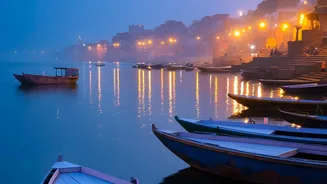
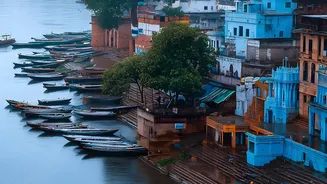
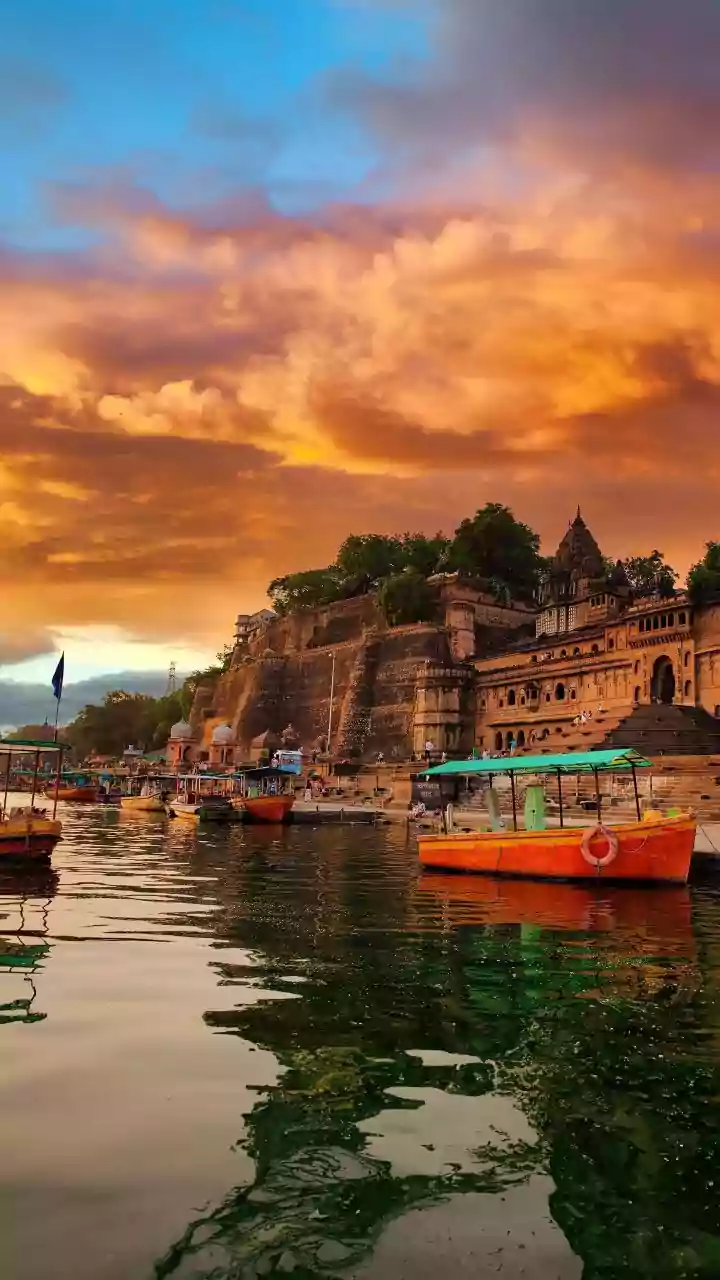
Varanasi's magnetism draws millions, but its geography presents immense challenges. The city is a primary spiritual destination for Hindus, many of whom are elderly pilgrims undertaking a journey of a lifetime. These visitors, along with people with disabilities, currently face a daunting reality. The city's famous ghats are mostly stepped, and the narrow lanes of the old city are often impassable for wheelchairs or even those with walking aids. While some progress has been made, such as accessible entry gates at the Kashi Vishwanath Temple, the journey to get there remains arduous. The ropeway is envisioned to help these very people, but its success hinges entirely on how seamlessly they can access its stations.
What 'Barrier-Free Access' Truly Means
Official statements indicate that the ropeway stations are being designed with escalators, elevators, and barrier-free access for senior citizens and passengers with disabilities. However, true accessibility goes beyond installing a lift. It requires a holistic approach known as universal design. This includes level, step-free access from the drop-off point to the cabin, tactile paving for the visually impaired, clear audio and visual announcements, and wide-enough passageways for wheelchairs and strollers. It also means having well-trained staff who can assist passengers with empathy and efficiency. The Rights of Persons with Disabilities Act, 2016, mandates that the physical environment and transportation be fully accessible, setting a clear legal and moral benchmark for projects like this.
Lessons in Inclusive Design from Abroad
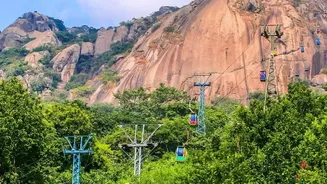
Urban ropeways in other parts of the world offer valuable blueprints. Systems in cities like Medellín, Colombia, were built specifically to connect marginalised communities in hilly areas to the city centre, making accessibility a core part of their mission. Modern ropeway technology inherently includes features that support this goal. For instance, 'level walk-in' designs allow passengers to board and deboard without stepping up or down, and 'stop-and-go' technology can halt a cabin completely to allow more time for those who need it. These systems demonstrate that with thoughtful planning, a ropeway can be one of the most inclusive modes of public transport available.
An Opportunity to Set a New Standard
The Kashi Ropeway is more than just a transportation project; it is a statement about India's capacity to blend modernity with its ancient heritage. By ensuring that every station and every cabin is fully accessible to people of all mobility levels, Varanasi can set a powerful new standard for public infrastructure in the country. The focus should not be on meeting minimum requirements but on exceeding them, creating a genuinely welcoming experience for the pilgrims and tourists who are the lifeblood of the city. The true measure of this project's success will be seeing an elderly grandmother or a wheelchair user board a cabin with the same ease and dignity as any other passenger.