




The artificial intelligence boom is reshaping industries, but its rapid growth comes with a voracious and often overlooked appetite for electricity. Now, the world’s leading nuclear watchdog is highlighting this very demand as a powerful new driver for nuclear energy.
The Unseen Engine of AI
Artificial intelligence, particularly generative AI, requires immense computational power to train its models and serve user requests. This processing happens in massive, specialised buildings called data centres, which are packed with thousands of high-performance servers. According to the International Energy Agency (IEA), electricity consumption from data centres, AI, and cryptocurrencies could double between 2022 and 2026. By 2026, some projections suggest data centres alone will consume over 1,000 terawatt-hours of electricity, an amount roughly equivalent to the entire annual consumption of Japan. This surge is primarily driven by AI-optimised servers, whose energy use is growing exponentially compared to conventional servers. This demand is creating a significant challenge for electricity grids and for technology companies that have committed to decarbonisation goals.
Why Nuclear Is on the Table
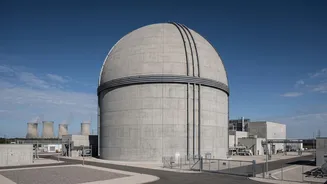
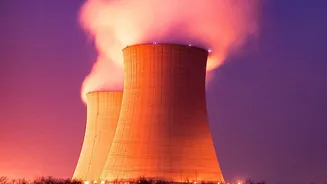
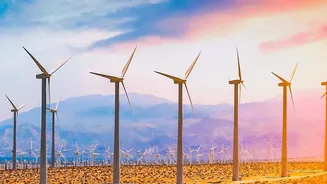
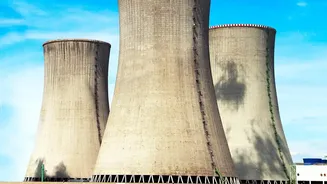
For an AI data centre to function, it needs a constant, uninterrupted supply of power, 24/7. This is known as 'baseload' power. While renewable sources like solar and wind are crucial for decarbonisation, their intermittent nature—the sun doesn't always shine, and the wind doesn't always blow—can make them less suitable for providing this constant supply alone. This is where nuclear energy enters the conversation. Nuclear power plants are a source of carbon-free electricity that operates continuously, regardless of weather conditions. IAEA Director General Rafael Grossi has noted that technology companies' appetite for 'reliable, carbon-free power' is a key factor in revised projections for nuclear growth. This unique combination of reliability and low emissions makes nuclear an attractive option for powering the energy-hungry digital economy.
What the IAEA Sees Coming
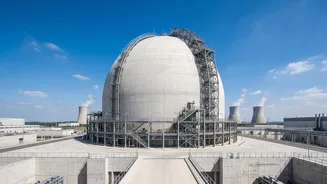
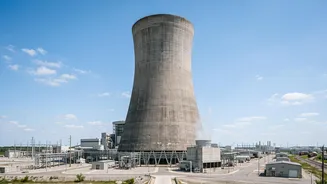
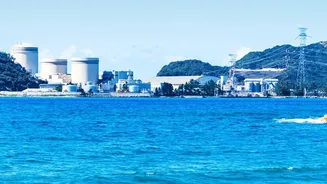
In a recent annual report to the UN General Assembly, the IAEA outlined a dramatic upward shift in its projections for future nuclear capacity. The agency now expects the use of nuclear power could more than triple by 2060, driven by general electrification and, specifically, the rise of AI-powered data centres. For five consecutive years, the IAEA has revised its growth projections upward. In its high-growth scenario, global nuclear capacity could expand to nearly 1,000 gigawatts by 2050, more than double today's levels. Currently, over 400 reactors worldwide produce about 10% of global electricity and a quarter of its low-carbon power, with more than 60 new reactors under construction.
Hurdles and New Solutions
Despite its advantages, the path to nuclear expansion is not without significant obstacles. Traditional large_scale reactors are extremely expensive and can take a decade or more to build, a timeline that some analysts argue is too slow to meet the immediate surge in AI_related energy demand. Public perception, regulatory hurdles, and long_term nuclear waste management also remain critical challenges. However, the industry is innovating. A promising development is the emergence of Small Modular Reactors (SMRs). These are smaller, factory_built reactors that can be deployed more quickly and flexibly, potentially even on_site at large industrial complexes or data centre campuses. Their modular nature would allow power capacity to scale up as a data centre's needs expand, making them a key technology that big tech companies are actively exploring.
India's Digital Future and Energy Needs
This global trend holds particular relevance for India. The nation is experiencing its own digital revolution, with a rapidly expanding internet user base and a burgeoning AI ecosystem. This growth will inevitably lead to a higher demand for data centre capacity and, consequently, a greater need for reliable, clean power. India already has ambitious plans to expand its nuclear power capacity as part of its strategy to achieve energy security and meet climate goals. The government has identified the need for significant investment to grow its nuclear capacity by 2047. As Indian companies and the government continue to invest in AI and digital infrastructure, the question of how to power this growth cleanly and reliably will become increasingly urgent, placing the nuclear option squarely in the national strategic conversation.