






Thailand’s postcard-perfect beaches and glittering temples are legendary. But the reality at its most famous spots can be a shock. This guide helps you manage expectations and find the magic, even when you're not alone.
Maya Bay: The Beach That Closed
The Expectation: A secluded, pristine
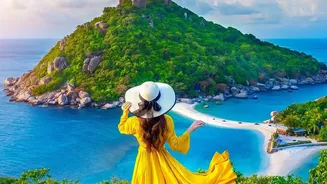
paradise, just like Leonardo DiCaprio found in the movie 'The Beach'. You picture yourself swimming alone in the turquoise water, surrounded by dramatic limestone cliffs. The Reality: After being closed for nearly four years to recover from extreme overtourism, Maya Bay has reopened with strict rules. The daily visitor numbers are capped, boats must dock at a floating pier on the other side of the island, and your time on the sand is limited to about an hour. The biggest surprise for many? Swimming is banned. You can only wade up to your knees, a measure to protect the fragile coral and the returning blacktip reef sharks. Rangers patrol the beach to enforce the rules. It's more of a nature reserve viewing experience than a beach day. The Strategy: To avoid the worst of the crowds, book a tour that arrives first thing in the morning (around 7 AM) or later in the afternoon. Understand that the purpose of the visit has changed; it's about witnessing a successful environmental recovery story. For swimming and snorkelling, your tour will stop at other stunning locations nearby, like Pileh Lagoon.
Bangkok's Grand Palace: Awe and Crowds
The Expectation: A serene and spiritual wander through dazzling golden temples and pavilions, soaking in centuries of Thai history at your own pace.
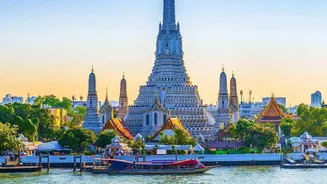
The Reality: The Grand Palace is breathtakingly beautiful, but it is also Bangkok's number one tourist attraction, and it feels like it. From mid-morning until closing, the complex is packed with large tour groups, making it difficult to move freely or take photos without a hundred other people in your shot. The heat can be intense with very little shade, and the strict dress code (shoulders and knees covered for all genders) is non-negotiable. Ignore any touts outside claiming the palace is closed; it's a common scam.
The Strategy: Arrive at 8:15 AM, before the gates open at 8:30 AM. This gives you a precious window of relative calm before the tour buses descend around 9 AM. Head straight for the Temple of the Emerald Buddha (Wat Phra Kaew) first, as it's the most sacred and gets the most crowded. Bring plenty of water and wear lightweight, loose-fitting clothing that meets the dress code to avoid having to rent or buy items.
Patong, Phuket: Convenience and Chaos
The Expectation: A vibrant, world-class beach destination with endless white sand, clear water, and a relaxed holiday vibe.
The Reality: Patong is Phuket's largest and busiest town. Its main strength is convenience; everything from water sports and shopping malls to a vast array of restaurants and an intense nightlife scene is within walking distance. However, this convenience comes with significant crowds, heavy traffic, and constant noise, especially near the infamous Bangla Road. The beach itself is a hub for jet skis and parasailing, not a tranquil escape. It works well for first-time visitors or those seeking high energy, but can be overwhelming for travellers looking for peace and quiet.
The Strategy: If you stay in Patong, choose your hotel location carefully, perhaps at the northern or southern end of the bay to escape the worst of the noise. Visit the beach early in the morning (6-8 AM) when it is clean, quiet, and used mostly by locals and joggers. For a more relaxing beach experience, consider staying at nearby Karon or Kata beaches and visiting Patong for an evening of entertainment instead of making it your base.
Chiang Mai's Elephant 'Sanctuaries'
The Expectation: A heartwarming, ethical experience where you can ride, bathe, and play with rescued elephants in a jungle paradise.
The Reality: The term 'sanctuary' is used very loosely in Thai tourism. Truly ethical sanctuaries prioritize the elephants' welfare above all, which means no riding, no performances, and often, no forced bathing sessions for tourist photos. Activities like riding can harm an elephant's spine, and forced interactions can be stressful for the animals. The most reputable places focus on observation, allowing elephants to behave naturally in large, open spaces. These experiences are more educational and less handson than many tourists expect.
The Strategy: Do your research thoroughly. Look for sanctuaries with a strict 'no_ride' policy and a focus on observation. Reputable organizations like Elephant Nature Park and BEES (Burm & Emily's Elephant Sanctuary) are known for their high ethical standards. An ethical visit might involve preparing food for the elephants, walking with them (at a distance), and learning about their history from dedicated caretakers. Adjust your expectations from entertainment to respectful observation, and you'll have a far more meaningful experience.