

The Raw vs. Cooked Protein Puzzle
One of the biggest points of confusion is the difference in protein listed for raw and cooked dal. A 100-gram serving of dry lentils or chickpeas can boast an impressive 22-25 grams of protein. However, after cooking, that number drops to about 8-9 grams per
100 grams. This isn't because the protein magically disappears. Pulses are like sponges; they absorb a significant amount of water during cooking, often doubling or tripling in weight and volume. The protein doesn't get lost; it gets diluted. That same initial amount of protein is now distributed across a much larger, heavier portion of food. So, a 200-gram bowl of cooked dal might give you 12-14 grams of protein, which originated from about 65-70 grams of its raw, uncooked form.
Not All Dals Are Created Equal
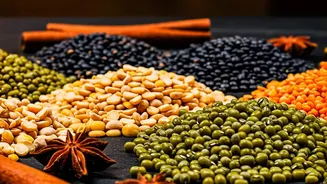
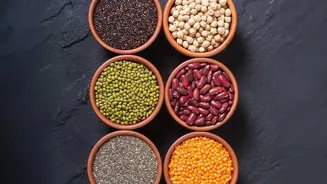
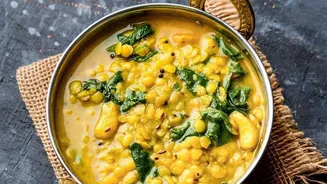
The type of pulse you choose is a major factor. While most are excellent protein sources, some pack a bigger punch than others. Per 100 grams of cooked pulses, chana dal (Bengal gram) and rajma (kidney beans) are often at the top, providing around 8.7-8.9 grams of protein. Urad dal (black gram) follows closely with about 8.5 grams. Masoor dal (red lentils) and toor dal (pigeon pea) offer slightly less, around 7.2-7.6 grams, while moong dal (green gram) contains about 7 grams of protein per 100g cooked serving. While the differences may seem small, they can add up, especially if dal is a primary protein source in your diet.
How Your Cooking Method Matters
The journey from a dry seed to a soft, edible meal involves several steps that can influence protein quality. Overcooking dal for extended periods can begin to degrade the delicate amino acid structures, reducing its nutritional value. Pressure cooking is often recommended as an efficient method that preserves nutrients by reducing total cooking time. Another crucial mistake is discarding the water used for soaking or cooking. Some water-soluble vitamins and amino acids leach into this liquid, and throwing it away means you're pouring nutrients down the drain. Traditional recipes that incorporate this liquid into the final dish are not just about flavour and texture; they are also about retaining maximum nutritional value.
The Simple Power of Soaking
That age-old practice of soaking pulses overnight is more than just a way to speed up cooking time. Pulses contain natural compounds called phytates, or phytic acid, which can bind to minerals and interfere with protein absorption. Soaking helps to break down these 'anti-nutrients', making the protein in the dal more bioavailable, meaning your body can absorb and use it more effectively. Even soaking for a few hours can make a difference, and for tougher pulses like chana dal or rajma, a longer soak is even better. This simple, patient step makes the dal easier to digest and its nutrients easier to access.
Perfecting Your Protein Pairings
While pulses are rich in protein, most are considered 'incomplete' because they are low in an essential amino acid called methionine. However, grains like rice and wheat are rich in methionine. This is why the classic Indian meal of dal-chawal or dal-roti is a stroke of nutritional genius. The combination creates a complete protein profile, providing all the essential amino acids your body needs, similar to what you would get from animal sources. To further enhance absorption, consider adding a source of Vitamin C to your meal. A simple squeeze of lemon juice over your dal doesn't just brighten the flavour; it can also help your body absorb nutrients more effectively.