


A Meal Born From Need, Not Novelty
Before pav bhaji was an Instagram sensation or a menu staple, it was a solution. Its story begins not in a chef’s kitchen, but in the heart of 1850s industrial Bombay, amidst the clamour of the city's booming textile mills. Mill workers faced long, gruelling
hours and were granted only brief recesses for lunch. They needed something hot, nutritious, affordable, and most importantly, fast. A full thali was too cumbersome and time-consuming. Enterprising street vendors saw the need and created a dish that was pure function: a medley of vegetables, often leftovers, mashed together on a large, flat griddle (tawa), cooked with a blend of spices, and served with a soft bread roll. The bread, or pav, was a legacy of the Portuguese, who introduced leavened bread to the region. This simple, quick-to-eat combination was the original fast food of Mumbai, designed to refuel the hands that built the city's prosperity.
The Anatomy of an Urban Icon
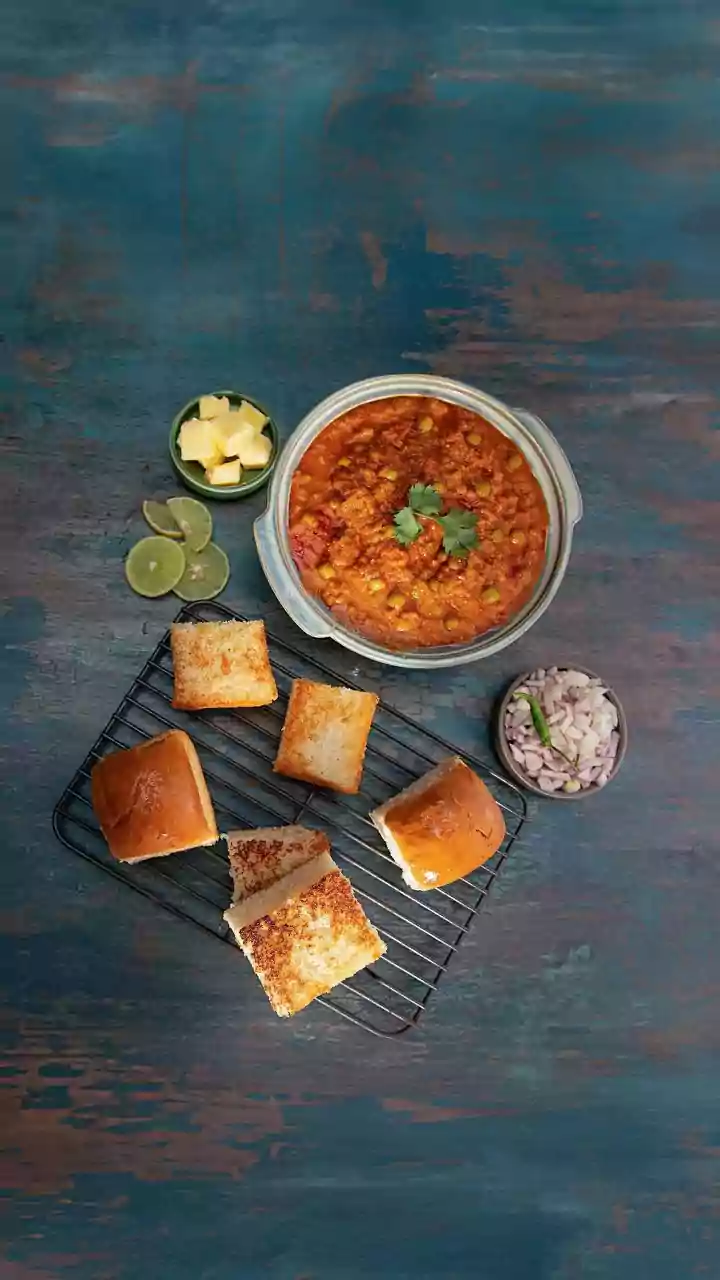
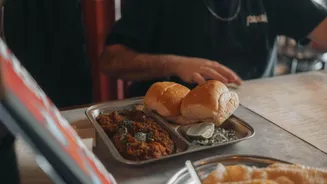
To understand Mumbai, you must understand pav bhaji's components. At its core, the 'bhaji' is a masterclass in resourceful cooking. Potatoes, tomatoes, peas, onions, and bell peppers are cooked down until they lose their individual forms and become a singular, harmonious mash. What elevates it from a simple vegetable curry is the generous use of butter and a signature 'pav bhaji masala'—a spice blend that gives the dish its uniquely tangy and savoury kick. The 'pav' is its inseparable partner. These are not fancy artisanal rolls, but soft, fluffy white bread, perfect for soaking up every last bit of the buttery, spicy bhaji. The rolls are sliced, slathered with yet more butter, and toasted on the same tawa, absorbing the flavours of the curry. Served with a garnish of raw chopped onions, fresh coriander, and a crucial wedge of lime, the final dish is a symphony of textures and tastes.
From Mill Yards to Midnight Cravings
What began as a labourer's lunch couldn't be contained for long. As Mumbai grew, so did the legend of pav bhaji. It migrated from the industrial zones of central Mumbai to the city's public spaces, most notably the sands of Chowpatty Beach. Here, it shed its identity as a purely functional meal and became associated with leisure, family outings, and evening strolls by the sea. It became a dish people sought out for pleasure, a go-to for late-night hunger pangs after a movie or a social gathering. It is the great equaliser of Mumbai street food; you will find people from every walk of life, from business tycoons to students, gathered around the same humble stall, eagerly awaiting their plate. This evolution cemented its place not just in the city's stomach, but in its heart.
The City's Character on a Plate
More than any other dish, pav bhaji mirrors the character of Mumbai itself: fast, efficient, and a melting pot of diverse elements creating something new and vibrant. It is a meal devoured in minutes, reflecting the city’s relentless pace. Its creation from humble, mashed-together vegetables speaks to Mumbai's ability to innovate and create brilliance from chaos. The dish is a testament to the spirit of Jugaad—the Indian knack for resourceful improvisation. It is democratic food, accessible and beloved by all, served in the same way whether you are in a chauffeur-driven car or have just stepped off a local train. It’s a shared experience, a culinary common ground in one of the world's most densely populated and diverse cities.
Street Food Without the Hype
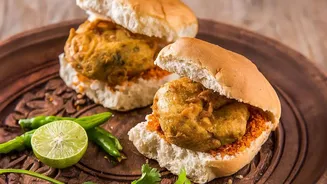
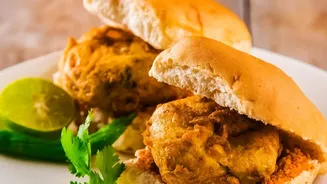
In an age of fusion foods and global trends, Mumbai's street food scene is also evolving, with new creations like cheese pav bhaji or Schezwan dosa appearing on menus. But to understand the city's food identity 'without the hype' is to look past these novelties and appreciate the classics. The real soul of Mumbai street food lies in dishes born from necessity, like pav bhaji, vada pav, and bhel puri. These are not trends; they are historical artifacts. They tell stories of migration, labour, community, and commerce. While hygiene standards are rightly improving, with vendors now using gloves and safer packaging, the essence remains. The true experience is not about the trendiest new filling, but about the fundamental promise of a hot, delicious, and satisfying meal that connects you to the city's living history.