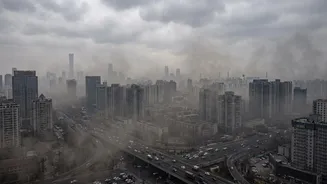






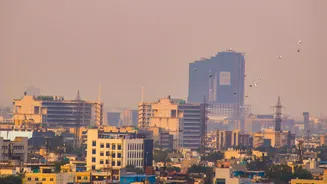
A Crisis Beyond the Winter Smog
While Delhi's air quality typically makes headlines during the post-Diwali and crop-burning season, medical experts warn that the real damage is not from these short-term spikes but from chronic, year-round exposure. The fine particulate matter, especially
PM2.5—particles 30 times smaller than a human hair—penetrates deep into the lungs and even enters the bloodstream. This sustained assault triggers inflammation and causes progressive, often irreversible, damage. Doctors explain that symptoms may not be immediately obvious, starting as a persistent cough, throat irritation, or slight breathlessness, but repeated exposure contributes to far more serious health problems over time.
The 'Non-Smoker's Smoker's Lung'
Perhaps the most alarming trend doctors are observing is the rise of diseases traditionally associated with smoking in people who have never touched a cigarette. Chest surgeons report that they rarely see healthy, pink lungs anymore, even in teenagers. Instead, they find black deposits, a clear sign of pollution-induced damage. Chronic Obstructive Pulmonary Disease (COPD), once known as a 'smoker's disease', is now increasingly diagnosed in non-smoking urban residents due to long-term inhalation of toxic air. Dr. Shivanshu Raj Goyal, a pulmonologist, notes that cases are rising among younger adults and office-goers, indicating that urban exposure is a potent risk factor on its own. The constant irritation from pollutants can lead to reduced lung capacity, chronic bronchitis, and worsened asthma.
An Unsettling Rise in Lung Cancer
The link between Delhi's air and lung cancer is no longer a suspicion; doctors call it a medical fact. A shocking demographic shift has occurred. In the late 1980s, over 90% of lung cancer patients were smokers. Today, studies show that number has plummeted, with non-smokers accounting for 50% or more of lung cancer cases. Even more disturbingly, among patients under the age of 50, a staggering 70% are non-smokers. Dr. Randeep Guleria, former AIIMS Director, has stated that breathing Delhi's air can be like being a chronic smoker, causing permanent damage. Doctors are also seeing a rise in a specific type of cancer called adenocarcinoma, which is more commonly linked to pollution and is disproportionately affecting women and younger people.
More Than Just the Lungs
The threat of air pollution extends beyond the respiratory system. Because PM2.5 particles are small enough to enter the bloodstream, they can wreak havoc throughout the body. This systemic travel of pollutants is linked to an increased risk of cardiovascular complications, heart attacks, and strokes. Emerging research has also found strong links between long-term exposure to polluted air and cognitive decline, including an increased risk for Alzheimer's disease and other forms of dementia. Experts now describe the situation as a 'public health emergency' where the toxic air weakens the body's overall immunity and contributes to cancers in other organs like the bladder and breast.
What Doctors Advise for Self-Protection
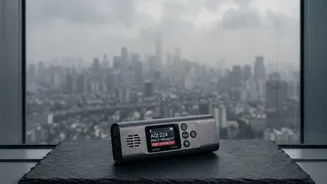
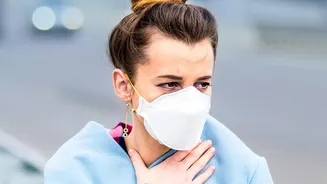
While solving the pollution crisis requires systemic change, doctors are urging residents to take immediate, personal protective measures. The most crucial step is to minimise exposure. This includes monitoring the Air Quality Index (AQI) daily and avoiding strenuous outdoor activities like running or sports when levels are high. For unavoidable outdoor travel, a well-fitted N95 or KN95 mask is essential, as simple cloth or surgical masks do not filter the most dangerous fine particles. At home, experts recommend using air purifiers with HEPA filters to create a 'clean air zone', especially in bedrooms. Additionally, a diet rich in antioxidants and Vitamin C, found in foods like amla, citrus fruits, and green leafy vegetables, can help the body fight the oxidative stress caused by pollutants.