







The Rise of the Travel Dupe
The term 'dupe,' short for duplicate, comes from the beauty and fashion worlds, where it describes a more affordable product that mimics a high-end one. In travel, it means swapping a famous, often expensive, hotspot for a lesser-known alternative that offers
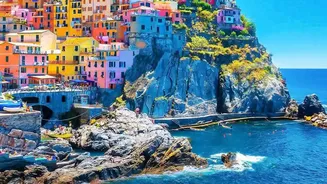
a similar experience. Think choosing the beaches of the Albanian Riviera instead of the Amalfi Coast, or exploring Liverpool’s vibrant music scene instead of London’s. The trend has gained significant traction as travellers, facing rising costs and overtourism, seek more authentic and budget-friendly adventures. Major booking sites and travel publications have embraced the concept, releasing lists that cater to a growing number of tourists eager to find the next great place before it becomes the next crowded place.
Swapping Santorini for Something Similar
The appeal is obvious. Why battle for a sunset photo in Santorini when you can enjoy similar whitewashed villages and blue waters on the nearby Greek islands of Paros or Naxos for a fraction of the cost? Likewise, instead of navigating the crowds in Paris, travellers are finding romantic European charm in cities like Budapest. For those in India, the logic might mean swapping the packed snowscapes of Switzerland for the stunning mountain scenery of Himachal Pradesh, or trading the high-end resorts of the Maldives for the pristine waters of Lakshadweep. The promise is not just about saving money; it is about finding a more relaxed and personal experience, away from commercialised tourist traps. Many are driven by a desire for authenticity, hoping to connect with a place before it's overrun.
Does Cheaper Always Mean Better?
While the savings can be substantial—some estimates suggest swapping destinations can cut trip costs by 30% to 50%—a lower price tag doesn't automatically guarantee a better holiday. The first question is whether the dupe is truly comparable. A destination’s magic is often more than just its landscape or architecture; it’s the unique culture, food, and energy. A substitute might look the part on social media but lack the essence of the original. Furthermore, less popular destinations might have less developed infrastructure. This can mean fewer flight options, less accessible transport, and more effort required in planning. While some see this as part of the adventure, for others it can be a source of stress that outweighs the financial benefit.
When a Dupe Becomes the Main Attraction
There is a larger question looming over this trend: what happens when everyone discovers the dupe? The very thing that makes these alternatives attractive—fewer crowds and lower prices—is fragile. As a destination gains popularity as a 'dupe,' it risks suffering the same fate as the place it was meant to replace. A surge in tourism can strain local resources, drive up prices, and displace residents, a phenomenon already seen in cities like Lisbon and Barcelona. For example, after being highlighted as a dupe for Greece, hotel prices in Albania reportedly jumped significantly in a single summer. This cycle suggests that the dupe trend may not be a sustainable solution to overtourism, but rather a force that simply shifts the problem from one location to another.
How to Find Your Perfect Alternative
Ultimately, the 'destination dupe' trend highlights a broader shift towards more conscious travel. The goal shouldn't be to find an exact copy of a famous place, but to identify what you truly want from a vacation. Is it beautiful beaches, historic architecture, or a specific cultural experience? Once you know what you're looking for, you can find unique places that fit your criteria, rather than just chasing a cheaper version of a popular postcard. Embracing the spirit of the dupe trend means looking beyond the obvious and being open to new experiences. It’s about doing your research, travelling during the off-season, and choosing destinations that can genuinely benefit from your visit. This mindful approach can lead to a more rewarding and sustainable way to see the world.