





The Power of a Pretty Plate
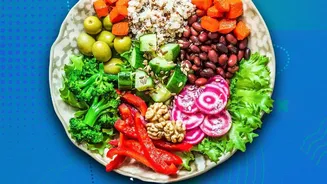
Imagine two plates of the exact same food. On one, the items are arranged in a neat, symmetrical, and orderly fashion. On the other, the ingredients are tossed together in a messy pile. Which one would you say is healthier? If you picked the neat plate,
you are not alone. A growing body of research confirms that the aesthetic quality of food presentation has a significant impact on how we judge its nutritional value. Studies have consistently found that people perceive beautifully arranged food as being healthier, even when all the ingredients are identical to a messier counterpart. This phenomenon highlights a powerful cognitive bias: our brains associate beauty and order with positive attributes like naturalness and, by extension, healthiness.
The 'Pretty-is-Healthy' Halo Effect
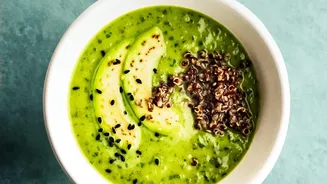
This bias is often referred to as the 'pretty-is-healthy' halo effect. Researchers, such as Linda Hagen at the University of Southern California, have conducted experiments demonstrating this very effect. In one study, participants were shown pictures of avocado toast, with some arranged in an orderly pattern and others presented haphazardly. Despite knowing the ingredients were identical, participants consistently rated the 'pretty' toast as healthier, more natural, and containing fewer calories. This bias is so strong that it persists even when people are given financial incentives to accurately guess which food is lower in calories. The key driver appears to be the perception of naturalness; classical aesthetics like symmetry and order are often found in nature, and our minds create a shortcut that equates 'natural' with 'healthy'.
Classical vs. Expressive Beauty
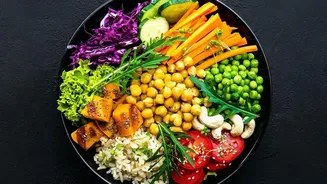
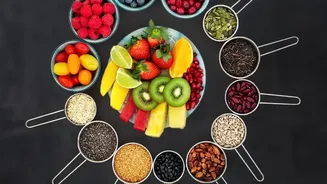
Interestingly, not all types of 'pretty' have the same effect. Studies distinguish between 'classical aesthetics' (symmetry, order, and balance) and 'expressive aesthetics' (creative, abstract, or fun arrangements). While both might be considered equally beautiful, only classical aesthetics seem to trigger the healthiness perception. An expressively arranged plate, like food cut into fun shapes, does not necessarily make the food seem more natural or healthier. This suggests the bias is specifically tied to visual cues that evoke a sense of order and nature, rather than just general attractiveness or effort. A neatly layered salad signals health, while a salad arranged to look like a cartoon character might just be seen as playful.
Real-World Implications
This psychological quirk has significant implications for both consumers and the food industry. Restaurants and food marketers have long known that presentation affects enjoyment and how much a customer is willing to pay. A well-plated dish can be perceived as tasting better and coming from a higher-quality establishment. However, the link to healthiness is a more subtle, and potentially deceptive, tool. A calorie-dense dessert, if plated with classical precision, might be subconsciously perceived as a less guilty indulgence. On social media, perfectly curated images of meals can create a skewed perception of what constitutes a healthy diet, leading to anxiety and misinformation. For consumers, this means we are often making dietary judgments based on visual cues that have no bearing on nutritional fact.
How to Be a Smarter Eater
So, how can you avoid being fooled by a pretty plate? The first step is awareness. Simply knowing that this bias exists can help you question your initial judgments. When you see a beautifully styled dish online or in a restaurant, take a moment to look past the aesthetics. Actively consider the ingredients, the cooking method, and the portion size. Some research suggests that disclaimers reminding people that food has been artificially modified or styled can help mute the 'pretty-is-healthy' effect. At home, while making food look appealing is a great way to enjoy your meals more, it is crucial to remain mindful of the actual nutritional content. The goal is to let presentation enhance your enjoyment without letting it distort your perception of health.