


Every December, the hills of Nagaland come alive with a rhythm that is ancient yet new. It's the sound of the Hornbill Festival, the 'Festival of Festivals', a vibrant showcase of culture that is both a proud celebration for its people and a warm invitation
to the world.
The 'Festival of Festivals'
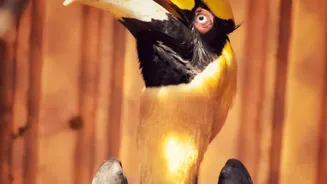
Scheduled from December 1st to 10th, 2026, the Hornbill Festival is Nagaland's flagship tourism event, held at the Naga Heritage Village of Kisama, about 12 kilometres from the capital, Kohima. Started in the year 2000 by the state government, its primary objective was to foster inter-tribal interaction and preserve the rich, diverse cultural heritage of the Naga people. Named after the revered hornbill bird—a symbol of grandeur and valor in Naga folklore—the festival has since grown into an internationally recognised event. It’s a unique platform where all the tribes of Nagaland come together to celebrate their traditions, moving beyond their individual harvest festivals to create a unified cultural tapestry.
A Mosaic of Naga Tribes
Nagaland is home to over 16 major tribes, each with its own distinct customs, attire, language, and traditions. The Hornbill Festival is the only time in the year when you can witness this incredible diversity in one place. The festival grounds are dotted with 'Morungs', or traditional Naga bachelor dormitories, each one exquisitely constructed to represent a specific tribe, such as the Angami, Ao, Konyak, and Chakhesang. Visitors can walk through these morungs, which act as living museums, to meet tribal elders in their full ceremonial attire, see intricate wood carvings, and witness daily life. It’s a deeply immersive experience that offers a glimpse into the soul of Nagaland’s warrior past and peaceful present.
A Feast for the Senses
The daytime at Hornbill is dominated by the sounds and sights of the main arena, where a continuous program of cultural performances takes place. Tribes perform energetic folk dances, warrior chants that echo across the hills, and soulful folk songs that tell stories of harvest and history. But the festival is equally a culinary adventure. Food stalls serve an array of authentic Naga dishes, famous for their bold flavours. Visitors can sample delicacies like smoked pork, dishes prepared with bamboo shoots, and the infamously fiery Naga king chilli. As you explore, you can also taste 'zutho', a locally brewed rice beer, often served generously in the morungs.
Where Tradition Meets Modernity
While the daytime is dedicated to ancient traditions, the nights at Hornbill pulse with contemporary energy. The Hornbill Music Festival is a major draw, featuring performances from local, national, and sometimes international rock bands. What was once known as the Hornbill International Rock Contest, one of the biggest in the country, has evolved into a broader music festival that still carries a massive prize and prestige, making it a highlight for music lovers. In Kohima town, a lively Night Carnival comes to life with street food, music, and stalls selling everything from handmade crafts to local fashion, offering a different, more urban flavour of Naga celebration that continues late into the night.
Planning Your 2026 Visit
Attending the Hornbill Festival requires some planning. The festival runs for ten days, with the opening and closing ceremonies being particularly popular. To enter Nagaland, Indian citizens need an Inner Line Permit (ILP), which can be applied for online. Accommodation in and around Kohima gets booked up months in advance, so it's wise to make arrangements early. The nearest airport and major railway station are in Dimapur, from where it's a few hours' drive to Kohima. The weather in December is chilly, especially in the evenings, so packing warm layers is essential. With its blend of cultural immersion, music, food, and crafts, the festival offers an unforgettable journey into the heart of India's Northeast.