






The Reality of Rising Prices
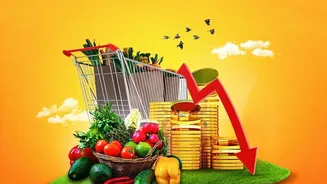
Recent data paints a clear picture of the pressure on household budgets. Food inflation has been a persistent concern, with reports in late 2026 showing a significant uptick. According to a Union Bank of India report, food inflation was expected to accelerate
to 7.35 per cent in September, a noticeable jump from previous months. This surge is not limited to one or two items; it's a widespread trend affecting daily essentials. Prices for vegetables, cereals, pulses, and milk have all remained firm, creating a cumulative impact that families notice at the checkout counter. Factors like challenging weather conditions, supply disruptions, and higher energy costs contribute to this sustained increase, making it a reality that households must navigate.
Questioning Our Brand Loyalty
For years, many shoppers have equated premium brands with superior quality. We often reach for the familiar, well-advertised package out of habit, trusting that a higher price tag means a better product. However, this is the perfect time to challenge that assumption. Brand loyalty is powerful, built on years of marketing and perceived reliability. But as budgets tighten, the question becomes: what are we really paying for? Is it genuinely better ingredients and nutrition, or is it the expensive packaging and advertising campaigns? The current economic climate is encouraging a new kind of consumerism—one that prioritizes value and verification over familiar logos.
Becoming a Value-Conscious Shopper
Shifting from a brand-loyalist to a value-hunter doesn't mean compromising on quality. It's about making informed choices. One of the most effective strategies is to start reading the ingredient and nutrition labels. You might be surprised to find that a store's own brand of biscuits, spices, or juice has a nearly identical composition to its premium-priced competitor. Another smart move is to embrace private labels or store brands. These products have improved dramatically in quality and are often significantly cheaper because they don't carry the heavy marketing costs of national brands. Many consumers are discovering these alternatives offer great value for money.
The Power of Smart Comparisons
A key skill for any savvy shopper is comparing unit prices. Don't just look at the final MRP; check the price per kilogram or per 100 grams. A larger, seemingly more expensive pack might actually be cheaper per unit than a smaller, lower-priced one. Conversely, some households are now opting for smaller sachet-sized packs to manage cash flow throughout the month, even if the unit cost is higher. This strategy also extends to where you shop. While supermarkets offer convenience, local 'sabzi mandis' and 'kirana' stores often provide fresher produce and staples like grains and spices at lower prices, free from fancy packaging. Planning meals around seasonal produce is another proven way to cut costs, as out-of-season items can be considerably more expensive.
It’s About Smart Choices, Not Sacrifices
Reconsidering premium brands isn't about being 'cheap' or depriving your family. It’s about taking control of your finances in an uncertain economic environment. It’s a shift towards intentional spending, where every purchase is evaluated for its true worth. By comparing products, exploring alternatives, and understanding what goes into the food you buy, you can significantly reduce your grocery bills without sacrificing nutrition or taste. This conscious approach to shopping empowers families to stretch their budgets further, ensuring financial stability while still enjoying quality meals at home. Many are finding that the most 'premium' feeling of all is the financial peace of mind that comes from smart spending.