




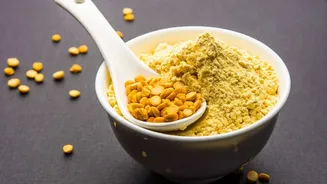

The Real Reason We Soak Lentils
The practice of soaking lentils is more than just a tradition to shorten cooking time; it's rooted in science. Lentils and legumes contain compounds like phytic acid and tannins. These are often called 'anti-nutrients' because they can bind to minerals
like iron, zinc, and calcium in our gut, preventing their absorption. Soaking helps to break down this phytic acid, making the nutrients in the dal more available to our bodies. Furthermore, soaking helps wash away complex sugars called oligosaccharides, which our stomachs can struggle to digest. These sugars are a common culprit behind the bloating and gas some people experience after a hearty dal meal, so giving your lentils a good soak is the first step towards better digestion.
Why Moong Dal is Different
While the principle of soaking is sound, the required time varies dramatically between different types of dals. Hearty, dense legumes with tough skins, like rajma (kidney beans) and chana (chickpeas), absolutely require a long soak—often between 8 to 18 hours—to become tender and digestible. However, applying this marathon soaking time to all lentils is a common mistake. Moong dal, particularly the split and skinned yellow variety (dhuli moong), is fundamentally different. It is smaller, softer, and lacks the tough outer skin of its whole counterparts. This delicate nature means it absorbs water much faster and doesn't have the same stubborn anti-nutrients that require hours to break down. Treating it the same as a chickpea is like using a sledgehammer to crack a peanut.
The Soaking 'Sweet Spot' for Moong
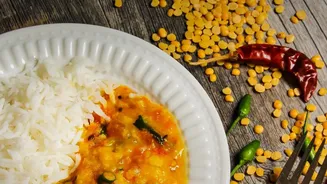
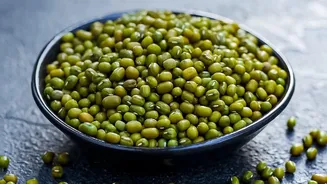
So, what is the ideal soaking time? For the widely used split yellow moong dal, a short window of 15 to 30 minutes is perfectly sufficient. Some recipes suggest up to an hour, which also works well to soften the grains and reduce cooking time. This brief soak is enough to rinse away surface starches and begin the process of making it more digestible without turning it to mush. In contrast, whole green moong dal (sabut moong), with its skin intact, benefits from a much longer soak, typically around 4 to 6 hours. This extended time is necessary to soften the outer layer and ensure it cooks evenly. Knowing which moong you're using is the key to getting the soaking time just right.
The Dangers of Soaking Too Long
In the world of soaking, longer is not always better. When delicate dals like split moong are left in water for too many hours, they can begin to break down entirely, resulting in a pasty, undesirable texture in your final dish. In warmer climates, an even bigger issue is fermentation. If you've ever noticed a slightly sour or yeasty smell from your soaking water, it's a sign that the dal has been sitting for too long and fermentation has begun. While not necessarily dangerous, this can impart an off-flavour to your cooking. Some water-soluble vitamins can also leach out into the soaking water over extended periods, which is another reason to stick to the 'just right' timing and always discard the soaking water before cooking.
Is It Okay to Skip Soaking Altogether?
Given its quick-cooking nature, many ask if it's possible to skip soaking split moong dal entirely. The answer is yes, you can. If you're short on time, you can simply rinse the dal thoroughly and proceed with cooking. However, be prepared for a slightly longer cooking time. Soaking provides a head start on hydration, so skipping it means you'll need to simmer the dal for an extra 10 to 15 minutes to achieve that perfectly soft consistency. While you will still get a delicious dal, you will miss out on some of the digestive benefits of reducing those complex sugars and phytic acid. Ultimately, even a quick 15-minute soak while you chop your onions and tomatoes is a worthwhile step for both texture and digestibility.