






What Exactly Is a Reverse Vacation?
Forget five-star hotels and jam-packed itineraries. The reverse vacation is a conscious move away from traditional, often stressful, tourist experiences. Instead of seeking luxury and convenience, this trend encourages travellers to embrace simplicity
and even a little discomfort to find a deeper sense of rest and perspective. It's about trading the noise of the city for the sounds of nature, swapping instant food delivery for farm-to-table meals you might help prepare, and disconnecting from Wi-Fi to reconnect with yourself. The goal isn't to have a 'worse' holiday, but a more meaningful one, where the luxury is authenticity, peace, and a mental reset from our hyper-connected daily lives.
The Rise of the Rural Retreat
This shift is largely driven by urban burnout and a post-pandemic desire for open spaces and genuine connection. City dwellers, weary of stress and noise, are increasingly seeking refuge in nature-based getaways. This has fuelled a boom in agritourism and rural stays across India. The Indian agritourism market, valued at over USD 1,388 Million in 2025, is projected to grow significantly as more people seek out these authentic experiences. It’s a trend dominated by domestic travellers, who make up 78% of the market, looking for weekend escapes that offer a slower, more immersive pace of life. This isn’t just a fleeting fad; it reflects a deeper change in priorities, with travellers valuing wellness, sustainability, and community connection over conventional sightseeing.
The Appeal of the Farm Stay
Farm stays are at the heart of this movement, offering an unfiltered glimpse into rural life. These are not just places to sleep; they are interactive experiences. Guests can participate in daily farm activities, from milking cows and feeding chickens to harvesting vegetables and learning about organic farming. The appeal lies in this hands-on connection to food and nature. It’s a chance to understand where our food comes from and to savour meals made with the freshest possible ingredients. For many, it's also about supporting local communities directly and opting for a more sustainable form of travel. Major hubs for these experiences are emerging around cities like Bangalore, Hyderabad, and in the western regions of Maharashtra, making them accessible weekend getaways.
The Solitude of the Forest Cabin
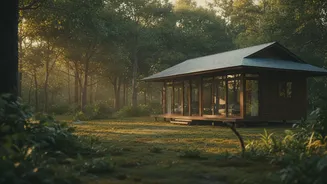
For those seeking true seclusion, forest cabins and remote treehouses offer the ultimate escape. Tucked away in serene landscapes like the hills of Himachal Pradesh, Uttarakhand, or the Western Ghats, these stays prioritise peace and privacy. The experience is less about structured activities and more about simply ‘being’ in nature. Days are spent hiking, birdwatching, or reading a book with nothing but the sound of the wind in the trees for company. This kind of travel is a powerful antidote to digital fatigue. By intentionally choosing places with limited connectivity, visitors are forced to disconnect from screens and engage with their immediate surroundings, leading to improved mental well-being and a greater appreciation for the simple things in life.