


The Protein Revolution in Indian Kitchens
It’s official: protein is no longer just for gym-goers. According to the recently released 'Farmley Healthy Snacking Report 2026', a staggering 86% of Indian consumers now consider protein an important factor when choosing a snack. This marks a significant
shift from viewing snacks as a casual indulgence to an intentional act of nutrition. The report, which surveyed over 6,000 people across the country, found that this trend cuts across generations and cities, signalling a mainstream move towards healthier eating habits. More than just a number, this reflects a deeper change in consumer mindset. The same report highlights that 62% of respondents feel ingredient transparency is the most important factor when selecting a snack brand, ranking it far above celebrity endorsements or influencer marketing. People don't just want protein; they want to know exactly what they are eating, and they are willing to pay a premium for it, with 32% ready to spend more on protein-rich products.
The 'Health Halo' and the Candy Bar in Disguise
With the surge in demand, the market is now flooded with snacks brandishing bold “High Protein” labels. While many of these can be a convenient way to fuel your body, experts warn of a 'health halo' effect, where a high-protein claim can distract from a less-than-healthy ingredient list. Many so-called protein bars are, upon closer inspection, not much different from a standard candy bar, packed with sugars, unhealthy fats, and a long list of artificial additives. Brands often use clever marketing to hide undesirable ingredients. Terms like 'no added sugar' may simply mean no added white sugar, while the product is still loaded with fruit juice concentrates, corn syrup, or brown rice syrup—all of which are sugars by another name. This creates a situation where consumers believe they are making a healthy choice, while actually consuming a highly processed confection that can lead to energy crashes and other negative health effects.
How to Become a Label Detective
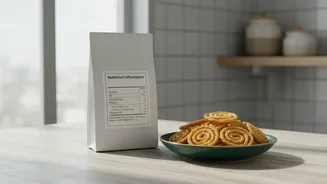
To navigate this tricky landscape, you need to look beyond the front of the pack and scrutinise the ingredient list. The first rule is to look for whole foods. Ingredients are listed in descending order by weight, so the first few items make up most of the product. A good sign is seeing nuts, seeds, oats, or whole grains at the top. Be wary of long, unpronounceable chemical names and various syrups. Pay close attention to the sugar content. Nutritionists recommend aiming for bars with less than 8 grams of added sugar. Also, look for fibre, which helps with satiety and digestion; at least 3-5 grams is a good benchmark. Finally, consider the protein source. Whey, casein, eggs, and soy are complete proteins, but look out for highly processed 'isolates', which are stripped of other nutrients. A shorter, more recognisable ingredient list is almost always a better choice.
What Does 'High Protein' Legally Mean?
The term 'high protein' is regulated, but the definition might be different from what you assume. In India, the Food Safety and Standards Authority of India (FSSAI) allows a solid food product to be labelled 'High in Protein' if it contains at least 12 grams of protein per 100 grams. While this provides a legal benchmark, it doesn't always align with optimal nutritional goals. Complicating matters, recent research from the Indian Council of Medical Research (ICMR) suggests a higher daily protein intake for the average adult than the one FSSAI's regulations are based on. This means a product can legally call itself 'high protein' while still falling short of what a health-conscious consumer might actually need or expect, based on the latest scientific guidance. This regulatory gap makes it even more important for consumers to assess the overall nutritional profile rather than relying on a single marketing claim.
Simple, Powerful Whole-Food Alternatives
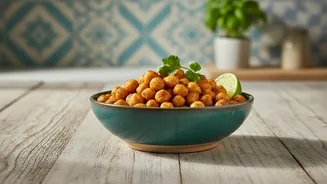
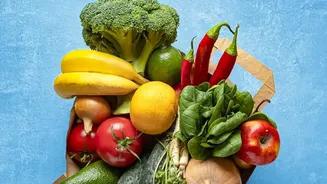
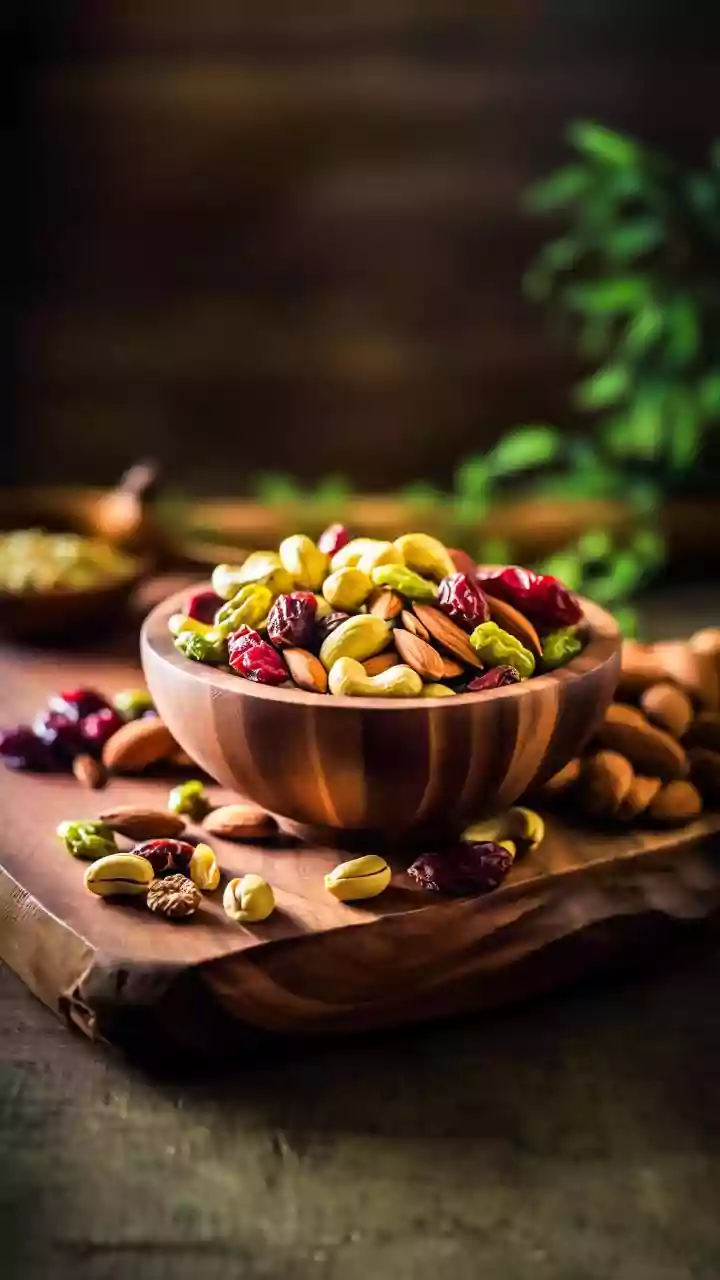
While convenient, packaged protein snacks aren't the only option. Often, simpler, whole-food choices are nutritionally superior and more affordable. Traditional Indian snacks have always been a powerhouse of nutrition. A handful of roasted chana (chickpeas) or a bowl of sprouts can provide an excellent mix of protein and fibre. Other great options include Greek yogurt, a few cubes of paneer, a hard-boiled egg, or a small portion of mixed nuts and seeds. These snacks deliver high-quality protein without the added sugars, artificial sweeteners, or preservatives found in many commercial bars. Integrating these simple foods into your day can help you meet your protein goals effectively, keeping you full and energised without the hidden downsides of ultra-processed products.