



For those journeying on India's highways, the best discoveries are often unplanned. On the route between Delhi and Lucknow, one such delightful secret awaits: the village of Maigalganj, a culinary stop defined by one iconic sweet.
The Sweet Stretch of Highway 30
On National Highway 30,
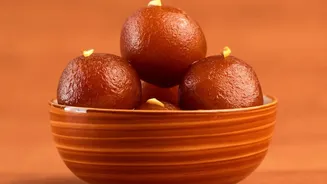
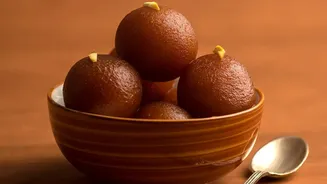
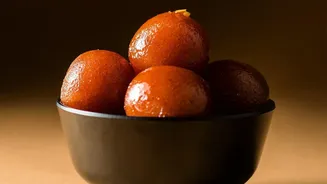
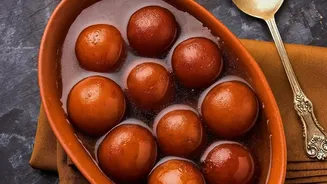
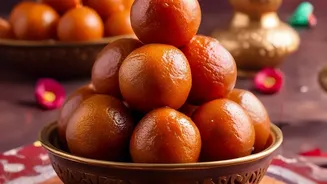
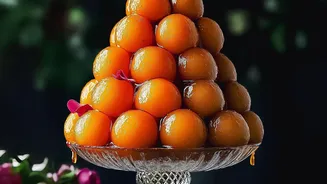
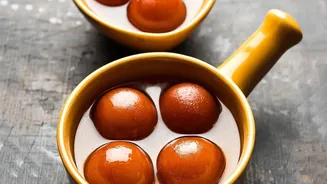
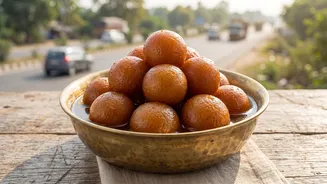
nestled in Uttar Pradesh's Lakhimpur Kheri district, lies the unassuming village of Maigalganj. To the hurried traveller, it might seem like just another cluster of buildings. But for those in the know, this place is a destination. For over half a kilometre, the highway is lined with dozens of sweet shops, their displays dominated by large pans of golden-brown orbs swimming in syrup. This is the 'Village of Gulab Jamuns', a place that has built its entire identity around perfecting and serving this beloved Indian dessert to passing travellers. It has become a ritual for cars and buses to pull over, allowing passengers to stretch their legs and indulge in a plate of hot, fresh gulab jamuns.
A Tradition Born in 1941
The story of Maigalganj's sweet legacy began decades ago. According to local accounts, the first gulab jamun shop, Dhanpal Misthan Bhandar, was established in 1941. At the time, the area was relatively undeveloped, but the shop's delicious sweets quickly gained a reputation among the few travellers on the route. Word of mouth did its work, and as the decades passed, more people began stopping. Inspired by this success, other vendors opened their own shops. By the 1970s, Maigalganj was firmly on the map as the place to stop for gulab jamuns, a reputation that has only grown stronger with time. This cluster of shops, many humorously named 'Mashhoor Gulab Jamun Ki Dukan' (Famous Old Gulab Jamun Shop), created a micro-economy and a unique cultural identity for the village.
What Makes Them So Special?
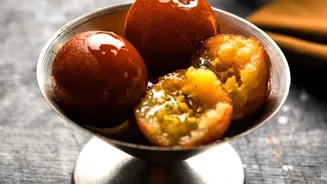
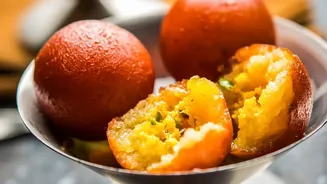
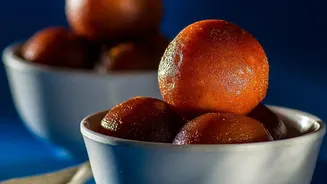
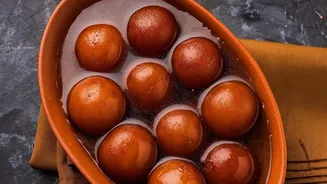
The magic of Maigalganj's gulab jamuns lies in their traditional preparation and freshness. The primary ingredient is high-quality khoya, or reduced milk solids, often sourced locally. This khoya is mixed with a small amount of flour, kneaded into a soft dough, and then carefully shaped into balls. These are fried slowly in clarified butter (ghee) until they achieve a perfect golden-brown colour before being plunged into a fragrant sugar syrup. The art lies in achieving the 'ek-taar' or 'one-string' consistency for the syrup, ensuring it's absorbed perfectly without making the sweet fall apart. The result is a gulab jamun that is incredibly soft and spongy, bursting with warmth and flavour, and often served in traditional earthenware bowls, which adds to the experience.
More Than Just a Dessert
For the people of Maigalganj, the gulab jamun is more than just a business; it’s their identity. One long-time worker noted that without the sweet, Maigalganj would just be another nameless village on a highway. The shops provide a livelihood for numerous local families, creating a cooperative rather than competitive environment, with enough business for everyone. This shared purpose has turned the village into a living example of how a single culinary tradition can define a community's story and place it on the national map. What started as one man's small sweet shop has transformed an entire village into a landmark for food lovers.