





The Consumer vs. The Creator
In today's digital world, most of us are tool consumers. We use apps for everything from ordering food to managing our finances. We are proficient with software, social media platforms, and digital devices. This is digital literacy, and it’s important.
However, it’s not the same as being a system builder. A tool consumer knows how to use a spreadsheet, but a system builder understands the logic required to design one from scratch. A consumer uses a social media app, but a builder can architect the network, design the user interface, and write the code that makes it work. This distinction is crucial. While consuming technology is about participation, building it is about innovation, ownership, and driving progress. The goal of modern education should be to nurture the latter.
Why System Builders Are Crucial for India
India’s economic future depends on its ability to innovate and create high-value intellectual property. While the IT services industry has been a pillar of the economy, the next wave of growth will come from homegrown products and platforms. This requires a workforce that can think critically, solve complex problems, and build systems from the ground up. The National Education Policy (NEP) 2020 recognizes this imperative, calling for a move away from rote memorization toward a more holistic, inquiry-driven, and experiential learning model. The policy emphasizes skills like critical thinking, creativity, and digital literacy, laying the groundwork for cultivating a generation of innovators. By fostering system builders, India can transition from being the world's back office to its innovation lab, fuelling initiatives like 'Make in India' and securing a leadership role in emerging fields like AI and deep-tech.
Reimagining the Classroom Curriculum
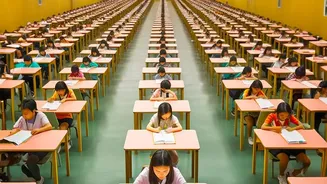
So, what does this curriculum reform look like in practice? It means moving beyond basic computer classes that teach software functions. Instead, the focus shifts to foundational concepts. The NEP 2020 and the subsequent National Curriculum Framework (NCF) highlight the importance of computational thinking—the process of breaking down complex problems into manageable steps—starting from the middle school years. Coding is introduced not just as a vocational skill, but as a language for logical expression. Pedagogies like Project-Based Learning (PBL) become central, where students work on real-world challenges, encouraging collaboration, creativity, and practical application of knowledge. Instead of just learning about physics, students might build a simple machine; instead of memorizing historical dates, they might create a digital timeline or interactive map. This hands-on approach helps bridge the gap between theory and practice, making learning more meaningful and engaging.
Challenges on the Path to Transformation
The vision is ambitious, and the path is not without its hurdles. One of the biggest challenges is teacher training. Educators need to be equipped with the skills and pedagogical knowledge to facilitate this new way of learning, shifting from lecturer to mentor. Another significant barrier is ensuring equitable access to resources like digital infrastructure and modern labs, especially in rural and under-resourced schools. Furthermore, our assessment systems must evolve. If we want to encourage system building, we must move beyond exams that reward memorization and develop evaluation methods that recognize problem-solving, creativity, and practical skills. Overcoming these challenges will require a concerted effort from policymakers, educators, and institutions to create an enabling ecosystem for this educational transformation.