




A New World Number One
For the first time since it opened in 2001, Seoul's Incheon International Airport (ICN) has become the world's busiest hub for international passengers. According to preliminary figures from Airports Council International (ACI) for the first half of 2026,
Incheon handled 38.39 million international travellers. This pushed London's Heathrow Airport (LHR), a long-time leader, into second place with 37.79 million passengers. Singapore's Changi Airport followed in third, solidifying a powerful Asian presence at the top of the global rankings. This isn't just a statistical blip; it marks a significant moment for Incheon, which has been steadily climbing the ranks for years, moving from tenth place in 2002 to third in 2024 and 2025 before finally capturing the top spot.
Incheon's Winning Strategy
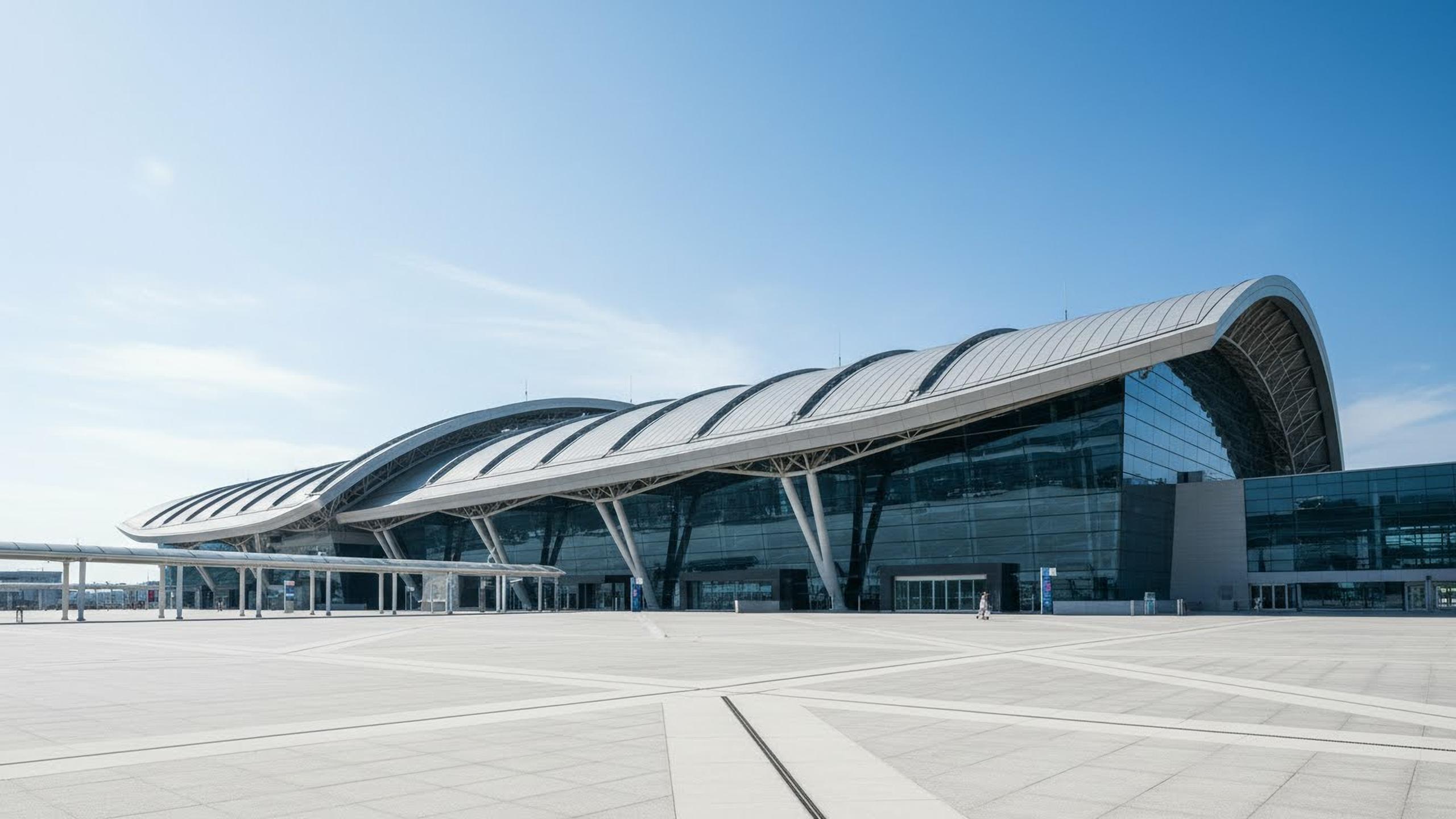
Incheon's rise is a story of strategic planning, geopolitical shifts, and surging regional tourism. A key factor has been its emergence as a critical transit hub. Recent geopolitical tensions in the Middle East have led some airlines and passengers to reroute journeys between Europe and Asia, diverting traffic away from hubs like Dubai and towards Incheon. This resulted in a remarkable 18% year-on-year increase in transfer passengers, with traffic to Europe via Incheon soaring by over 63%. Beyond transit, the airport is benefiting from a tourism boom, with a record-breaking influx of visitors, particularly from nearby China and Japan. This growth is supported by massive infrastructure investment. A four-phase expansion completed in late 2024 boosted Incheon's annual capacity to 106 million passengers, creating a state-of-the-art facility designed to attract and efficiently handle huge volumes of traffic.
Headwinds for Heathrow
While Incheon has been expanding, Heathrow has been facing significant constraints. The London hub is operating at near-full capacity, a situation that has severely limited its growth potential for years. The long-running and contentious debate over the construction of a third runway continues to leave the airport unable to substantially increase its flight numbers. Recent events have also provided short-term challenges. The same Middle East crisis that diverted passengers to Incheon has had the opposite effect on Heathrow, with its passenger numbers on Middle Eastern routes falling significantly. In fact, Heathrow recently lost its title as Europe's busiest airport to Istanbul, another sign of increasing competition and the limitations imposed by its capacity crunch. Proponents of Heathrow's expansion argue that these rankings prove the urgent need for new infrastructure to keep the UK competitive on the global stage.
What This Means for Indian Travellers
The rise of Incheon as the world's primary international hub has direct implications for travellers from India. A larger, more connected Incheon provides a powerful alternative gateway to North America and other parts of Asia. Airlines like Delta have already shifted their primary Asian hub from Tokyo's Narita to Incheon, a move that enhances connectivity for passengers flying from India. For Indian travellers, this could translate into more competitive fares, a wider choice of flight times, and potentially shorter overall journey times on routes to the Americas. Incheon's award-winning passenger experience, which includes free transit tours, extensive shopping, and cultural exhibits, also makes it an attractive layover destination compared to more congested rivals. As Incheon continues to expand its network, which already serves 158 international destinations with 101 airlines, its importance as a key transit point for the Indian market is set to grow.