









The Masterpiece in Question
The film at the center of this cinephile quest is Christopher Nolan’s highly anticipated mythological epic, “The Odyssey,” starring Matt Damon as the Greek king navigating his perilous journey home. But the “masterpiece” experience elite fans are chasing
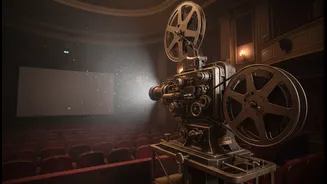
isn’t just the movie itself; it’s the specific, unadulterated format it’s being shown in: IMAX 70mm film. For the first time, Nolan has shot an entire feature-length movie using IMAX film cameras, a feat previously thought impossible for dialogue-heavy scenes due to camera noise. This makes “The Odyssey” a landmark in cinematic technology, and seeing it in its native format is, for many, the only way to truly see the film as the director intended.
More Than Just a Bigger Screen
So, what exactly is IMAX 70mm film, and why does it inspire such devotion? It’s often called the gold standard of cinema, a format that makes digital projection look like a pale imitation. The film strip itself is enormous, running horizontally through a projector to produce an image with up to nine times the surface area of standard 35mm film. This translates to a breathtaking level of detail, with an estimated resolution equivalent to 18K. Nolan himself describes the effect as creating “a feeling of 3D without the glasses,” where the screen disappears and fills your peripheral vision, completely immersing you in the world of the film. The sheer scale, clarity, and depth are unparalleled, offering a visceral experience that streaming at home simply cannot replicate.
The Cinephile's Pilgrimage
This pursuit of authenticity has turned the release of “The Odyssey” into a cultural event defined by “IMAX tourism.” Fans proudly share their travel plans on social media, detailing journeys that span states and even continents. People have flown from Germany and Singapore to Australia, and from St. Louis to New York, all for a movie ticket. This isn't just about seeing a film; it’s about participating in an artistic experience in its purest form. In an era dominated by digital compression and convenience, the effort required to see “The Odyssey” on film feels like a statement. It’s a pilgrimage for those who believe in the sanctity of the theatrical experience and the importance of preserving a director’s uncompromised vision.
Why Only 41 Cinemas?
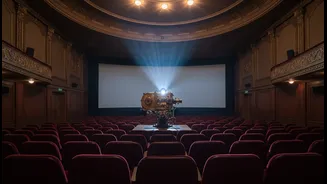
The exclusivity of the IMAX 70mm experience is born from its rarity. The number of theaters worldwide capable of projecting in this format has fluctuated, rising from 30 for “Oppenheimer” to around 41 for “The Odyssey” due to renewed interest. However, the technology remains incredibly scarce. The projectors are massive, complex machines, and no new ones have been manufactured for decades. Operating and maintaining them requires specialized knowledge that few possess. This scarcity has created a frenzied demand, with tickets for prime locations selling out a year in advance and appearing on resale sites for hundreds, sometimes thousands, of dollars. This rarity transforms a screening into a coveted event, making each ticket a passport to an exclusive club of film lovers.
What the Experience Feels Like
Viewers who have made the journey describe the experience in transcendent terms. The combination of the massive, floor-to-ceiling image and the booming, complex sound design creates an overwhelming sensory experience. Because Nolan shot the entire movie in this format, the aspect ratio doesn't change, keeping the audience locked into the epic scale for the entire runtime. The analog nature of film also lends a certain “warmth” and texture that digital formats lack, with some comparing it to the difference between listening to vinyl versus a compressed audio file. For a story as grand as Homer’s epic, this immersive, larger-than-life presentation feels essential, allowing audiences to feel the spray of the sea and the weight of Odysseus’s ten-year journey home.