
The Meteorological Trap
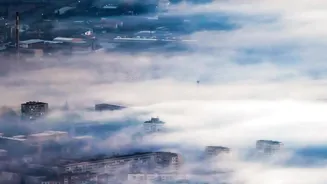
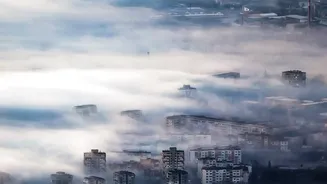
October marks a critical transition period for Delhi’s weather. As the monsoon withdraws, wind speeds drop significantly. This calmness, combined with falling temperatures, creates a phenomenon known as temperature inversion. Normally, warmer air near
the ground rises, dispersing pollutants. In winter, however, a layer of warmer air sits above the cooler, denser air at the surface, acting like a lid and trapping pollutants close to the ground. This vertical trapping means that emissions which might otherwise disperse are held in the air we breathe, leading to a rapid accumulation of pollutants and a sharp spike in the Air Quality Index (AQI). Recent forecasts show that low wind speeds are considered unfavourable for dispersing pollutants in the coming days.
The Annual Scourge of Stubble Burning
Coinciding perfectly with these adverse weather conditions is the paddy harvesting season in the neighbouring states of Punjab and Haryana. Farmers in these regions burn the leftover crop residue, or stubble, to quickly clear their fields for the next crop. North-westerly winds then carry the massive plumes of smoke directly towards the landlocked capital. This practice is a significant contributor to the toxic haze, with studies indicating that stubble burning can be responsible for up to 45% of Delhi's pollution during its peak. While farm fires have started appearing across northern India, their full impact is expected to intensify as the month progresses, adding a huge external burden to the city's already deteriorating air. The first week of October 2026 has already been the most polluted in three years, partly due to the early onset of these factors.
Delhi’s Homegrown Pollution Cocktail
While farm fires are a major seasonal driver, Delhi-NCR generates a substantial amount of its own pollution year-round. This baseline pollution is a cocktail of emissions from multiple sources. Vehicular emissions are a primary culprit, contributing roughly 23% of winter PM2.5 pollution. The sheer volume of cars, trucks, and two-wheelers creates a constant stream of harmful gases and particulate matter. Adding to this are industrial emissions, dust from widespread construction and demolition activities, and the open burning of waste. During winter, the contribution from these combustion sources can rise to over 85% of the total pollution load, creating a high baseline that is then dangerously exacerbated by external and meteorological factors.
The Graded Response Action Plan (GRAP)
To combat this annual crisis, authorities implement the Graded Response Action Plan (GRAP), a set of emergency measures that become progressively stricter as the air quality worsens. The plan is divided into four stages based on AQI levels: Stage I ('Poor'), Stage II ('Very Poor'), Stage III ('Severe'), and Stage IV ('Severe+'). Recent revisions for 2026 have made the plan more proactive, with some restrictions now triggered by forecasts rather than waiting for pollution to peak. For instance, restrictions on certain inter-state buses and diesel generators now begin at Stage I. Stage III can trigger a ban on non-essential construction and restrictions on BS-III petrol and BS-IV diesel cars, while Stage IV could involve banning trucks from entering Delhi and implementing work-from-home policies. These measures, managed by the Commission for Air Quality Management (CAQM), aim to curb local emissions when atmospheric conditions are most unfavourable.