





What Is the Proposed Strategy?
A consensus of leading Indian medical experts, including specialists in cardiology and public health, is recommending a nationwide shift from regular table salt to potassium-enriched, low-sodium salt substitutes (LSSS). This recommendation follows a conference
organized by The George Institute for Global Health India and Resolve to Save Lives. The strategy focuses on household consumption, as nearly 80% of the salt Indians consume is added during home cooking. The goal is to make this switch a key part of India's public health efforts to reduce hypertension and cardiovascular disease, aligning with the country's commitment to cut sodium intake by 30% by 2030.
Why Is High Salt Intake a Major Problem?
The average Indian consumes between 8 and 11 grams of salt daily, which is roughly double the World Health Organization's (WHO) recommended limit of 5 grams per day. This excessive sodium intake is a primary driver of high blood pressure (hypertension), which significantly increases the risk of heart disease, stroke, and kidney failure. High salt consumption is linked to approximately 175,000 deaths in India annually. With nearly 200 million Indians living with high blood pressure, tackling salt intake is considered one of the most effective ways to address this widespread health issue.
What Exactly Is Low-Sodium Salt?
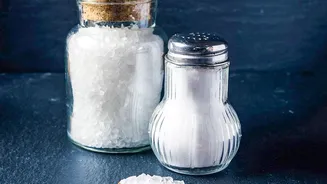
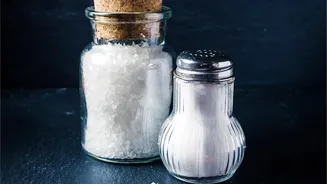
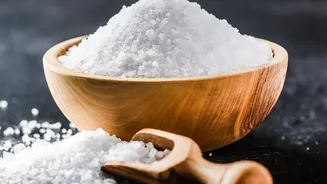
Low-sodium salt isn't about using less salt; it's about using a different kind of salt. These substitutes are a blend where a portion of the sodium chloride (regular salt) is replaced with potassium chloride. Most recommended formulations contain about 70-75% sodium chloride and 25-30% potassium chloride. The result is a product that looks, tastes, and is used in cooking just like regular salt but delivers less harmful sodium and more beneficial potassium. This dual action—reducing sodium while increasing potassium—is what makes it effective in lowering blood pressure.
The Science-Backed Health Benefits
Numerous large-scale studies have demonstrated the powerful health benefits of switching to LSSS. A major trial in China involving 21,000 people showed that using potassium-enriched salt led to a 14% lower risk of stroke, a 13% reduction in major cardiovascular events, and a 12% lower risk of premature death. Another study in rural India found it significantly lowered blood pressure in participants with hypertension. Experts refer to it as a 'dietary vaccine' because it offers continuous protection without requiring people to change their dietary habits or sacrifice the taste of their food.
Are There Any Risks or Downsides?
While LSSS is safe for the general population, it is not recommended for everyone. The primary concern is the increased potassium content, which can be harmful to individuals with advanced chronic kidney disease, those taking specific medications that increase potassium levels (like potassium-sparing diuretics), or anyone who has been medically advised to limit potassium intake. For these individuals, a build-up of potassium in the blood (hyperkalemia) can be dangerous. Another challenge is cost and availability. Currently, low-sodium salt is more than twice the price of regular iodized salt and is not widely available in smaller grocery stores.
What Are the Next Steps?
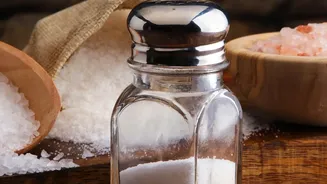
For the proposal to become a reality, several steps are needed. Experts are calling for the Food Safety and Standards Authority of India (FSSAI) to formally recognize potassium-enriched iodised salt as an approved 'edible salt' category and establish clear labelling guidelines. Recommendations also include promoting its use through public procurement for programs like mid-day meals, government canteens, and the Public Distribution System (PDS) to increase volume and normalize its use. Public awareness campaigns will be crucial to educate households about the benefits and clear up myths, such as the mistaken belief that pink or rock salt is healthier (they contain the same amount of sodium as regular salt).