








Unpacking the New Agreement
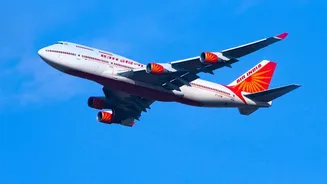
On July 27, 2026, Air India and the Ministry of Tourism signed a Memorandum of Understanding (MoU) to collaboratively boost India's global tourism profile under the 'Incredible India' banner. The agreement, signed in the presence of Union Minister for
Tourism and Culture Gajendra Singh Shekhawat, makes Air India the first global airline to formally partner with the ministry in this capacity. The pact establishes a framework for coordinated initiatives across several key areas: tourism marketing, destination storytelling, engaging with the travel trade, developing transit tourism, and enhancing the overall visitor experience. The stated goal is to combine Air India's vast and growing international network with the government's promotional power to attract more international visitors and solidify India's position as a major aviation hub. A Joint Working Group with representatives from both organisations will be formed to oversee the implementation of the partnership, which is set for an initial two-year period with an option to extend.
Promotion Without a Price Tag
The most distinctive feature of this MoU is its non-commercial, non-binding nature. Neither Air India nor the Ministry of Tourism has a financial obligation to the other. So, what does the support actually look like? It's a collaboration built on shared assets and reach, rather than a budget. The partnership will focus on co-branded global marketing campaigns across digital and social media platforms. More tangibly, it will involve showcasing India through Air India's various customer touchpoints, including its in-flight entertainment systems. The agreement also opens the door for 'Incredible India' branding to appear across more of the airline's assets, potentially including aircraft livery and boarding passes, subject to feasibility studies. The collaboration will also extend to offline activities, with both parties jointly participating in international tourism exhibitions, roadshows, and other market development events to engage with tour operators and travel partners.
A Strategy of Mutual Benefit
For Air India, this partnership is a strategic move that aligns with its post-privatization transformation journey. Nipun Aggarwal, Air India's Chief Commercial Officer, noted that as the airline carrying the nation's name, it has a unique responsibility to serve as an ambassador for a "new India". By partnering with the Ministry of Tourism, the airline reinforces its identity and commitment to national interests while leveraging the government's 'Incredible India' brand equity. A key focus of the deal is to develop transit and stopover tourism. As Air India builds out its hubs in Delhi and Mumbai, the plan is to create programmes that encourage international passengers on connecting flights to spend time exploring India—a model successfully used by Gulf carriers for years. This could translate directly into more passengers and revenue for the airline. For the Ministry, the benefits are clear: access to Air India's extensive network, which serves 40 international destinations and connects to over 1,000 cities worldwide through codeshare and interline agreements. This gives the 'Incredible India' campaign a powerful and direct channel to millions of potential tourists.
A New Blueprint for Collaboration
This MoU represents a modern approach to public-private partnerships, one based on strategic alignment rather than simple sponsorship. By forgoing a direct financial component, both sides can focus on leveraging their core strengths—the Ministry's destination branding and Air India's global reach. The collaboration will also involve working closely with State Tourism Boards to promote a wider range of destinations within the country. Furthermore, the ministry will help facilitate special offers for Air India customers, such as access to cultural attractions and heritage sites, adding value to the passenger experience. The partnership even envisions integrating tourism benefits with Air India's 'Maharaja Club' loyalty programme. This model of a non-commercial, asset-sharing alliance could become a blueprint for future collaborations between the government and other leading private sector companies in India. The success of this initiative will ultimately depend on execution, but it marks a significant and logical step in pairing India's aviation capacity with its tourism ambitions.