







An Unexpected End of an Era
Jensen Huang's departure from Nvidia on November 12, 2026, was sudden and sent shockwaves through the technology industry. Huang, who co-founded the company in 1993, transformed it from a niche gaming graphics card maker into a global behemoth at the center
of the artificial intelligence revolution. His visionary leadership and technical acumen are widely credited with the company's meteoric rise. The board appointed CFO Colette Kress as interim CEO and initiated a search for a permanent replacement, explicitly stating that it does not intend to reinstate Huang despite calls from some investors and employees. The search is being led by the executive search firm Heidrick & Struggles, which will consider both internal and external candidates to fill one of the most powerful roles in technology.
Doubling Down on AI Dominance
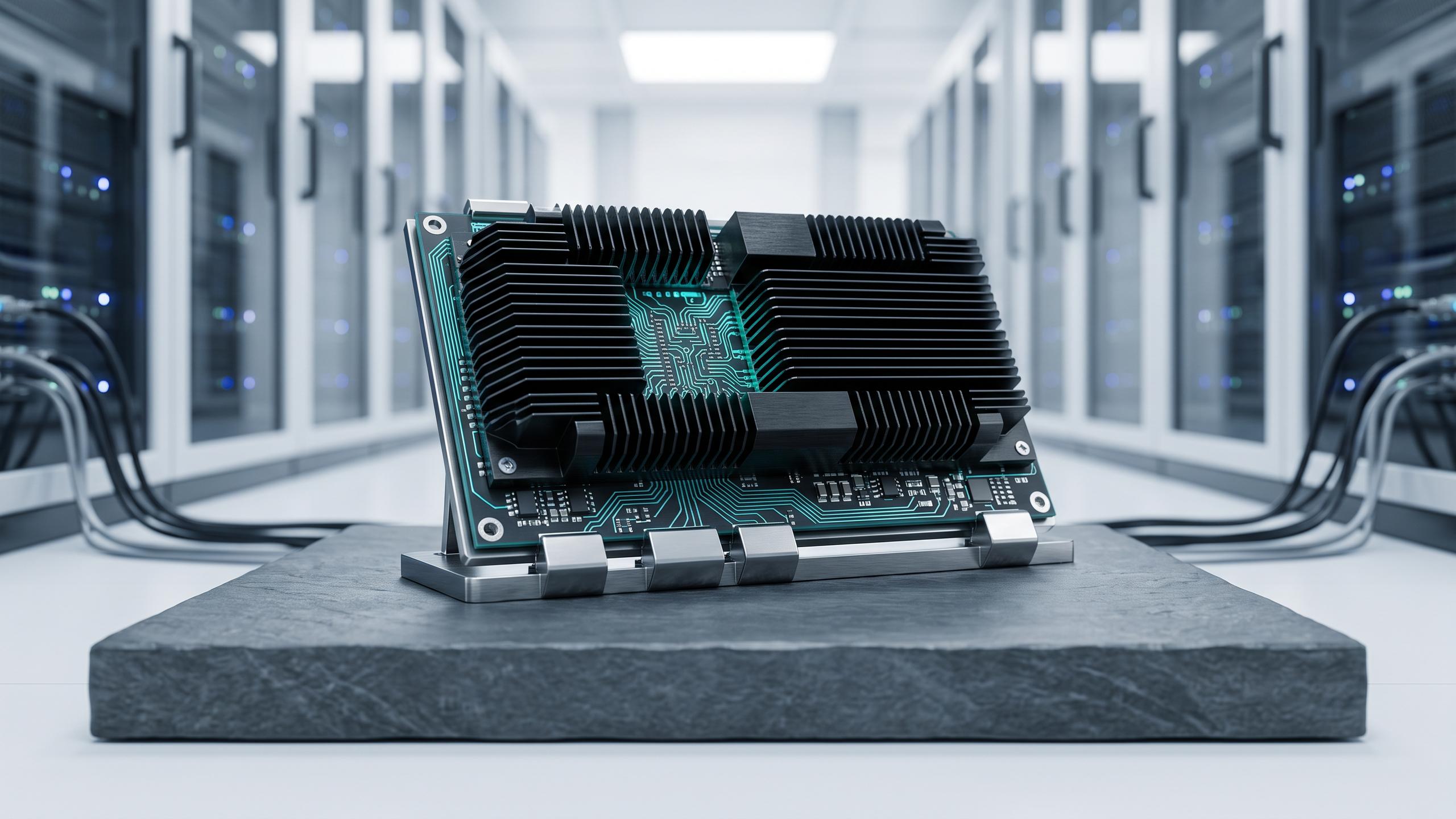
Despite the leadership vacuum, Nvidia's strategic direction remains unchanged: absolute focus on dominating the AI hardware and software markets. The company's roadmap is aggressive, with its next-generation 'Rubin' GPU platform already in full production and expected to ship in the second half of 2026. This continues Nvidia's pivot to a full-stack AI platform, offering not just chips but entire systems, software, and services. Interim CEO Colette Kress has reaffirmed this commitment, highlighting the company's plans to continue with strategic acquisitions like the open-source AI platform Hugging Face and to foster a vibrant ecosystem for AI development. The strategy is to become indispensable, moving from selling chips to providing entire AI factories in a box, with plans for modular data center 'pods' in 2027.
Securing Critical Customer Commitments
A key challenge for the new leadership will be managing Nvidia's critical relationships with a small number of massive 'hyperscale' customers, such as Amazon Web Services, Microsoft Azure, Google Cloud, and Meta. These companies are the biggest buyers of Nvidia's AI chips, and their loyalty is paramount. In the immediate aftermath of Huang's resignation, Kress moved to reassure investors and clients, stating that these major partners remain committed and are still demanding more computing supply. To meet this demand, Nvidia recently announced expanded manufacturing and supply chain partnerships with giants like TSMC, Foxconn, and Samsung, aiming to significantly increase production capacity for its current and future AI accelerators. These moves are designed to signal stability and an uninterrupted focus on execution.
The Search for a Successor
Finding a replacement for a founder as iconic as Huang is a monumental task. The board has indicated it will conduct a thorough search for the 'right person' without expediting the process. Speculation is rampant, with names like Arm CEO Rene Haas—a former Nvidia executive—reportedly being approached. However, some industry veterans, like Amazon's Jeff Bezos, have publicly advised against hiring an outsider, arguing that Nvidia is too complex for a leader without deep internal knowledge. While the board has not ruled out an external hire, strong internal candidates are also seen as possibilities. The board has also made it clear they are not looking for a 'Jensen Huang clone', suggesting a potential shift in leadership style even as the company's core strategy remains in place. The choice will signal how Nvidia plans to navigate its next chapter: by seeking continuity or by embracing a new direction.