




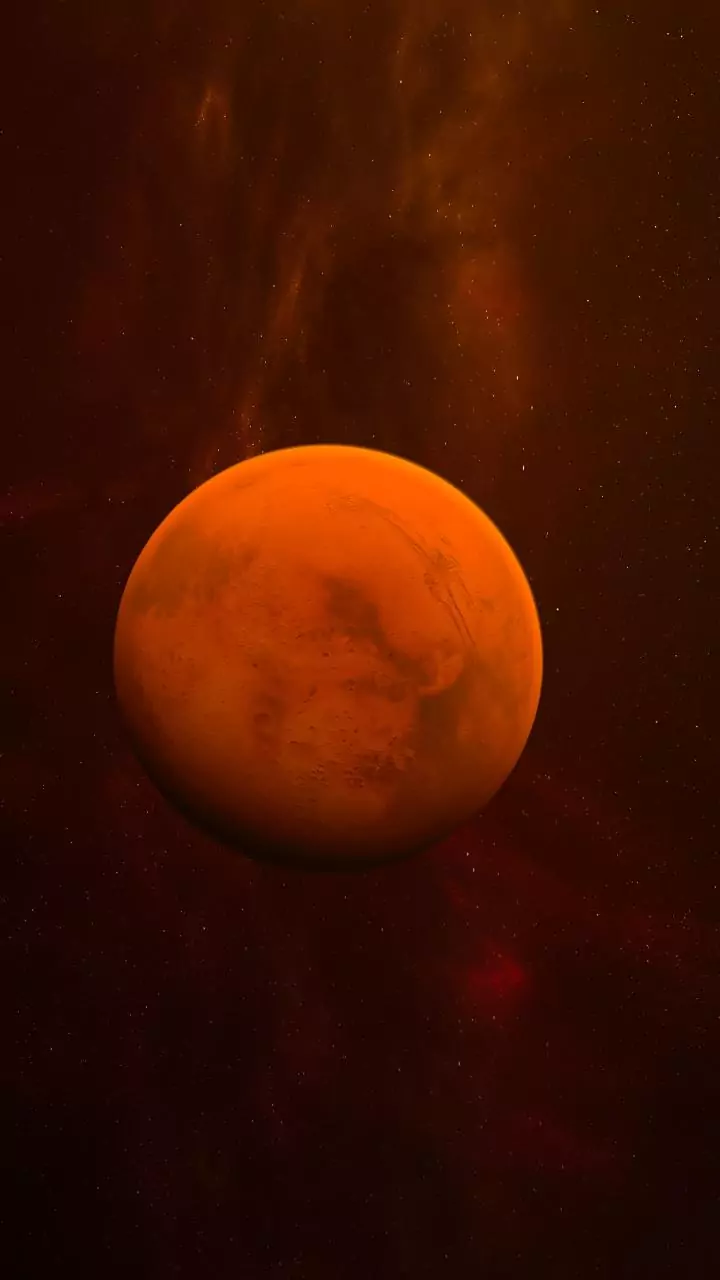

A World Shaken, Not Stirred
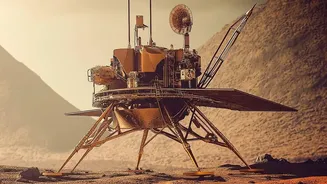
The latest chapter in this unfolding story comes from data collected by NASA's InSight lander, which spent four years listening to the faint heartbeat of Mars. Before its mission ended, the lander's sensitive seismometer detected hundreds of “marsquakes,”
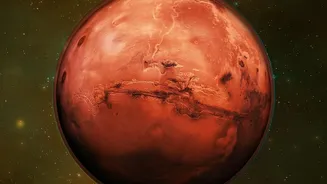
many of which originated from a single region called Cerberus Fossae. Scientists analyzing these tremors believe they are not just the planet cooling and cracking, but are consistent with the movement of magma deep underground. This is the strongest evidence yet that Mars may still be volcanically active today, challenging the long-held view of the planet as geologically deceased. The findings suggest a planet with a complex inner life, one that has been far more active in its recent past than previously thought.
Rewriting the Martian Playbook
This isn't just about a few rumbles. Studies, including recent work from the University of Oxford, suggest these magma pockets aren't isolated events but part of enormous, interconnected systems stretching for thousands of kilometres beneath the surface. This kind of complex geology, known as 'transcrustal magmatism,' was once thought to be unique to Earth, driven by our planet's system of shifting tectonic plates. The fact that it might be happening on Mars, a planet without plate tectonics, is a major geological puzzle. It forces a rewrite of how rocky planets can evolve, suggesting they can develop complex crusts and long-lived volcanic systems through intense internal recycling alone. These massive magma systems would have been active for millions of years, shaping the Martian landscape in ways we are only just beginning to understand.
Why This Isn't About Finding Martians (Yet)
Whenever words like “volcanoes” and “Mars” appear together, the question of life inevitably follows. It’s true that volcanic activity can create potentially habitable environments. On Earth, hydrothermal vents on the ocean floor, powered by magma, teem with life. Some scientists believe similar conditions on an ancient Mars could have nurtured life. However, the current magma discovery is not evidence of life itself. The activity is deep underground, and while it could create warmth, there is no direct evidence it is melting subsurface ice or creating the watery oases needed for organisms to thrive. The primary significance of this discovery is geological, not biological. It’s a clue about the planet's fundamental processes, its internal heat engine, and how it formed, not a signpost pointing to current alien ecosystems.
The Real Prize: A More Complex Mars
So, if it’s not about little green men, why does this matter? Because it makes Mars infinitely more interesting. Understanding that the planet may still have a warm, active interior opens up new avenues for research. This geological activity could have played a crucial role in the planet's history, potentially releasing gases that influenced its atmosphere and climate over billions of years. It also has practical implications for future exploration. These volcanically active regions could hold valuable mineral deposits, a resource that would be vital for any future human settlements. Rather than being a simple, static ball of rock, Mars is revealing itself to be a world with a rich, dynamic history and a present that is still full of mystery. These new findings provide a roadmap, highlighting key areas for future rovers and orbiters to investigate.