



Why You Should Rotate Your Proteins
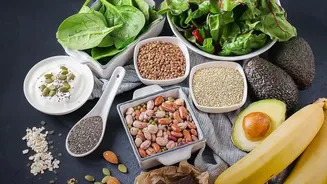
Eating the same protein source every day is like listening to only one song on repeat. While it might be good, you're missing out on a world of variety. Different protein sources offer unique profiles of amino acids, which are the building blocks of protein.
By rotating them, you ensure your body gets a broader spectrum of these essential nutrients. This dietary diversity is not just about avoiding boredom; it can also support a healthy gut microbiome and may reduce the risk of developing food sensitivities from overexposure to a single ingredient. While most animal proteins are 'complete' (containing all nine essential amino acids), most plant proteins are not. However, by combining different plant sources, like lentils with rice, you can easily create a complete protein profile. The goal isn't to perfectly balance every single meal, but to ensure variety over the course of your days and weeks.
The Mighty Moong: Light and Nutritious
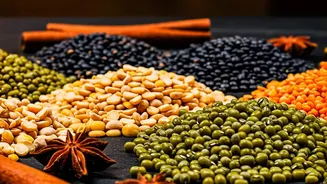
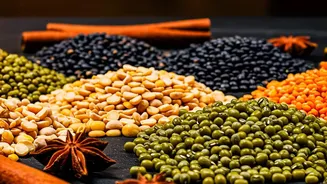
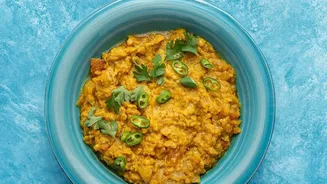
Moong dal, especially the split and skinned yellow variety, is celebrated for being incredibly light and easy to digest. This makes it a go-to food during illness or for anyone with a sensitive stomach. But its benefits go far beyond digestibility. A 100-gram serving of uncooked moong dal packs approximately 24 grams of protein, making it a powerhouse for muscle repair and satiety. It's also a great source of dietary fibre, which aids in digestion and can help with weight management by promoting a feeling of fullness. Moong dal has a low glycaemic index, meaning it releases sugar into the bloodstream slowly, which is beneficial for managing blood sugar levels. Its versatility is another major advantage. Beyond the classic dal tadka, you can use it to make savoury pancakes (cheela), sprout it for salads, or blend it into comforting soups.
The Versatile Masoor: Quick and Iron-Rich
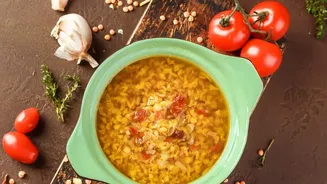
Masoor dal, or red lentil, is the hero of quick weeknight meals. The split, skinless variety cooks in a flash, often without needing to be soaked. This makes it perfect for busy individuals who still want a nutritious, home-cooked meal. Nutritionally, masoor dal is a strong competitor, offering slightly more protein than moong dal, with about 25 grams per 100g serving. It's also a fantastic source of iron and folate, two nutrients that are crucial for producing red blood cells and are especially important for women. Masoor dal has an earthy flavour and breaks down into a creamy, thick consistency, making it an excellent base for hearty soups and curries. Though it’s easy to digest, it offers a substantial feel that satisfies hunger effectively.
Making Rotation Effortless in Your Kitchen
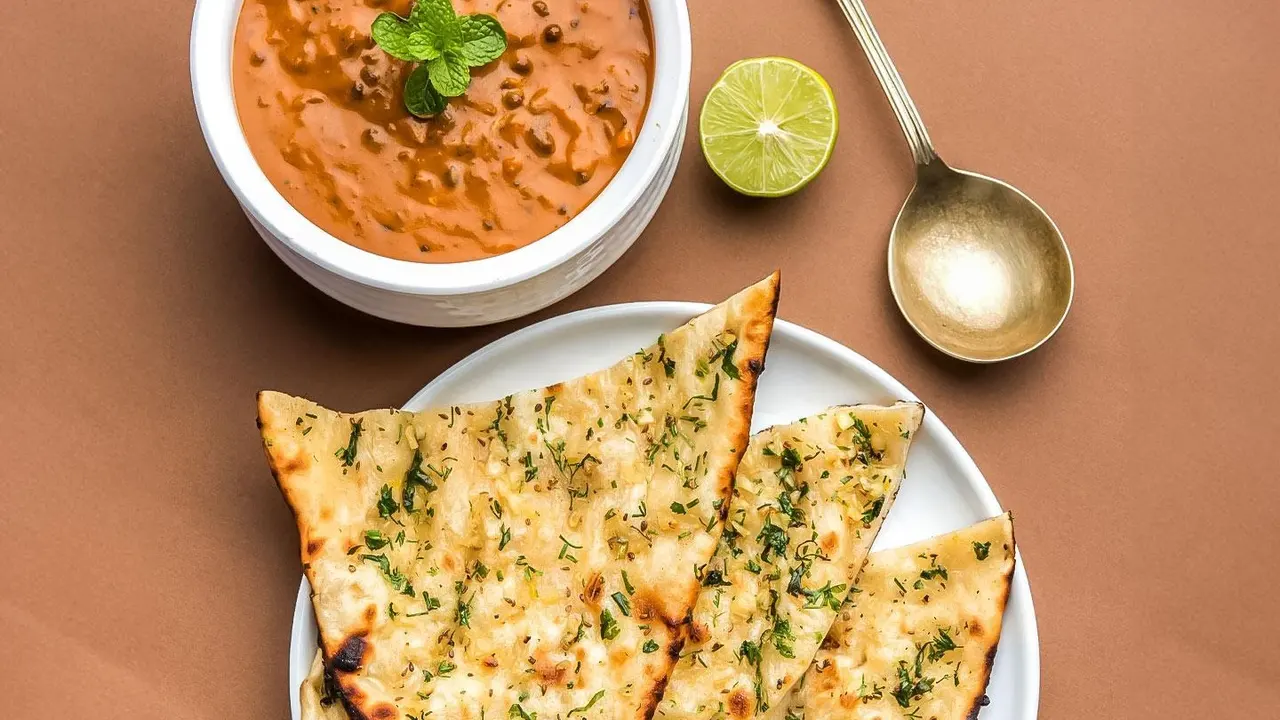
The beauty of moong and masoor is that they don't require a radical change to your diet; they are likely already in your pantry. The key is to be intentional about using them. Instead of defaulting to the same dal every day, simply alternate. Many traditional recipes even combine both dals to get the benefits of each. Think beyond the main course. Use leftover cooked moong dal to make paratha stuffing. Add a handful of masoor dal to your next vegetable soup to thicken it and boost its protein content. Start your day with a moong dal cheela instead of a grain-based breakfast. Because both cook relatively quickly, you can decide on the day of what you want to make without extensive planning. By simply switching between these two dals—and combining them with rice or roti—you are effortlessly rotating your protein sources and enriching your diet with a wider array of nutrients.