

What Exactly Is This New Train?
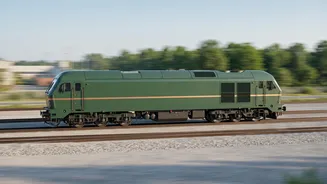
On September 27, 2026, India's first LNG-powered train made its inaugural run from Sabarmati in Gujarat. However, it's crucial to understand that this isn't a train running purely on natural gas. It's a Diesel-Electric Multiple Unit (DEMU) train retrofitted
with a dual-fuel system. This means the engine can run on a mixture of diesel and LNG, or on diesel alone if needed. The trial involves two Driving Power Cars (DPCs), each with a 1400 HP engine, which have been modified for this purpose. This initiative is a pilot project to test the feasibility, safety, and economic benefits of using LNG as a supplementary fuel in specific parts of the railway network.
How the Dual-Fuel System Works
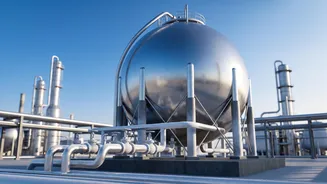
The core of this trial is the dual-fuel LNG-diesel technology. The existing diesel engines have been adapted to inject LNG along with diesel during combustion. The system is designed to substitute up to 40% of diesel consumption with LNG. Each power car is equipped with a cryogenic tank of 2,200 litres to store the LNG at a super-chilled -162°C. This technology is not about replacing diesel engines entirely but making them cleaner and more efficient. The system offers operational flexibility; the train can seamlessly switch between fuels, ensuring that it can still run even if LNG is not available. After completing over 2,000 km of field trials to test reliability, the system is now ready for operational assessment.
The Big Promise: Lower Costs and Cleaner Air
The primary motivations behind this LNG trial are economic and environmental. Indian Railways is one of the country's largest consumers of diesel, and reducing this dependence is a major goal. Early estimates from the trial suggest significant cost savings, with each retrofitted power car potentially saving nearly ₹12 lakh annually. For an eight-coach train, this could translate to savings of around ₹24 lakh per year. Environmentally, LNG burns cleaner than diesel. Using it is expected to reduce emissions of particulate matter (PM), nitrogen oxides (NOx), and carbon dioxide (CO₂). This aligns with Indian Railways' ambitious target to become a net-zero carbon emitter by 2030 and reduce its reliance on imported fossil fuels.
Reality Check: Why This Isn't a Network-Wide Shift Yet
While promising, a nationwide switch to LNG-powered trains faces considerable hurdles. The biggest challenge is the lack of infrastructure. A full-scale rollout would require a massive network of LNG storage facilities and refuelling stations across the country, which currently does not exist for railways. There are also significant upfront costs associated with converting locomotives and building this new supply chain. Safety is another critical consideration, as LNG requires specialised handling and storage systems. Furthermore, with Indian Railways rapidly electrifying its network, the long-term applicability of LNG may be limited to routes where electrification is not logistically or financially viable. For these reasons, this trial is best viewed as a targeted solution for specific use cases, such as on non-electrified DEMU routes, rather than a blanket replacement for diesel or electric traction.