



1. Non-Vegetarian Food and Eggs
Abstaining from all forms of meat, fish, and eggs is the most fundamental rule of the Sawan diet. This practice is rooted in the principle of non-violence and is seen as a mark of respect and devotion. From a practical standpoint, the monsoon season,
which coincides with Sawan, is a breeding period for many animals and increases the risk of foodborne illnesses from meat that is not stored properly.
2. Onion and Garlic
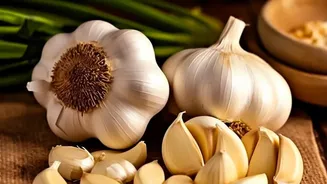
These two kitchen staples are strictly avoided throughout Sawan. According to Ayurveda, onion and garlic are classified as 'Tamasic' and 'Rajasic' foods. This means they are believed to generate heat, lethargy, and mental agitation, which can distract from the calm, meditative state that devotees aim to achieve during this sacred month.
3. Common Table Salt
Regular iodised table salt is replaced with Sendha Namak, or rock salt, for all fasting preparations. Table salt is a processed and refined product, considered unsuitable for pure 'vrat' food. Rock salt, being in its unrefined and natural state, is considered 'Sattvic' or pure, and is therefore the preferred choice for maintaining the sanctity of the fast.
4. Grains and Lentils
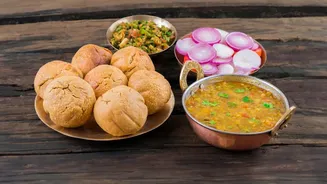
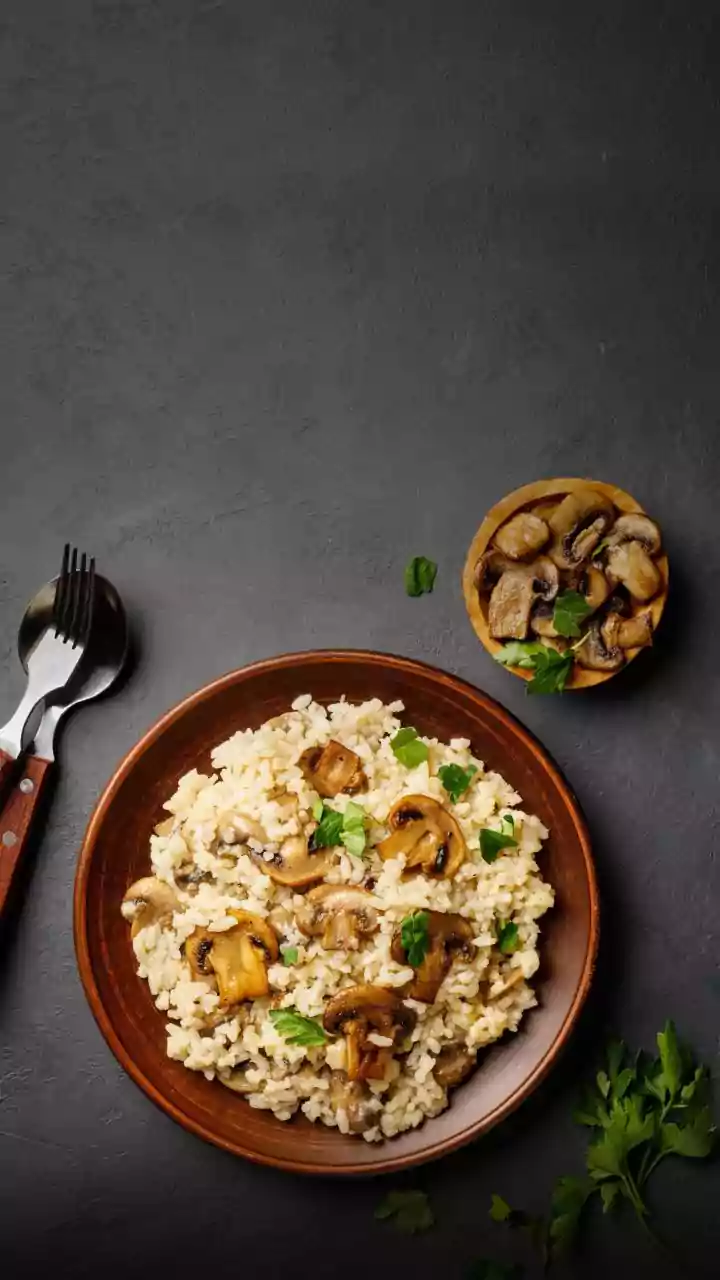
During strict fasting days, many devotees avoid common grains like wheat and rice, as well as all types of lentils and pulses (dals). These foods are considered heavy and require more effort from the digestive system, which is believed to be weaker during the monsoon season. Instead, lighter pseudo-grains like barnyard millet (samak ke chawal), buckwheat (kuttu), and amaranth (rajgira) are used.
5. Leafy Green Vegetables
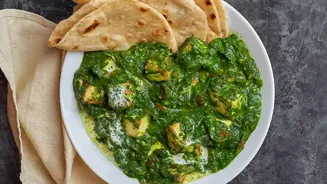
While it might seem counterintuitive, many traditional households avoid leafy greens like spinach and fenugreek during Sawan. This ancient practice has a practical basis: the damp monsoon weather is an ideal breeding ground for insects and worms that can hide within the leaves, making them difficult to clean and potentially unsafe.
6. Certain Vegetables like Brinjal
Brinjal, or eggplant, is another vegetable that is often excluded from Sawan menus. In some traditional texts, it is considered an 'impure' vegetable. Furthermore, much like leafy greens, it is more prone to insect infestations during the rainy season, so avoiding it was a form of seasonal food safety.
7. Heavy Spices
The Sawan diet is typically mild. Spices known for their pungent and heating properties, such as red chilli powder, turmeric, coriander powder, and garam masala, are generally avoided. These are considered 'Rajasic', meaning they can agitate the system. The focus is on simple flavours, primarily using rock salt, black pepper, and fresh herbs.
8. Alcohol and Tobacco
Consuming alcohol and using tobacco products is strictly prohibited during this holy month. These substances are viewed as impure and are believed to cloud the mind and judgment, which directly contradicts the Sawan ideals of spiritual focus, self-discipline, and devotion.
9. Curd and Fermented Foods
According to Ayurveda, the digestive fire is weaker during the monsoon. Curd (yoghurt) and other fermented foods are believed to be heavy and can increase 'Kapha' (one of the three doshas), potentially leading to congestion and colds in the damp weather. For this reason, many opt for milk or buttermilk instead during Sawan.
10. Packaged and Oily Foods
The spirit of the Sawan diet is to consume fresh, light, and pure foods. Therefore, deep-fried items, packaged chips, and processed snacks are generally avoided. Ayurveda suggests that heavy, oily foods are difficult to digest during the monsoon and can lead to bloating and sluggishness, hindering both physical well-being and spiritual practice.