


Chaas: The Timeless, All-Indian Cooler
Chaas, also known as buttermilk, is arguably one of India's most beloved and widespread traditional drinks. Its history can be traced back thousands of years on the subcontinent, where it has long been a household staple, especially in warmer regions
like Gujarat, Rajasthan, and Punjab. Made by churning yogurt with cold water, chaas has a thin, refreshing consistency that is lighter than lassi. While it can be enjoyed plain, its true character comes alive with spices. A pinch of black salt, a sprinkle of roasted cumin powder, and sometimes fresh coriander or mint leaves transform it into 'masala chaas,' a drink that is not only cooling but also a fantastic digestive aid. Traditionally prepared using a wooden churner called a madhani and stored in earthen pots to keep it naturally cool, chaas is a symbol of simple, rustic hospitality. Offering a guest a cool glass of chaas is a common courtesy in many parts of the country, a gesture of warmth and welcome that feels particularly fitting for a day of national unity.
Ghol: Bengal’s Fragrant Answer to Buttermilk
Travel east to West Bengal, and you’ll find Ghol, a regional cousin to chaas with its own distinct personality. Like chaas, Ghol is a yogurt-based drink, but it often has a slightly different texture and flavour profile. While chaas is typically savoury, ghol can be made sweet or savoury. The most celebrated version is 'Gondhoraj Ghol', which is infused with the zest and juice of the Gondhoraj lebu, or the 'king of limes'. This lime, native to Bengal, is prized not for its juice but for its intense, floral aroma that can transform a simple drink into a fragrant experience. Another variation features 'bhaja moshla', a toasted spice mix of cumin, coriander, and fennel seeds that gives the drink a nutty, aromatic depth. Ghol is a staple at Bengali weddings and summer lunches, known for its ability to cool the stomach and refresh the senses. It represents the subtle culinary nuances that make each region of India unique, showcasing how a single concept—a yogurt drink—can be reinterpreted in countless delicious ways.
Aam Panna: The Tang of Late Summer
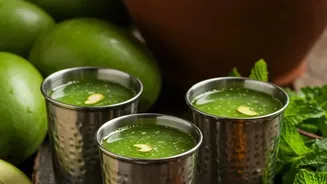
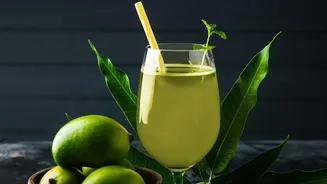
No Indian summer is complete without the taste of mangoes, and Aam Panna is the perfect send-off to the season. Made from raw, green mangoes, this drink delivers a delightful punch of sweet, sour, and tangy flavours. The unripe mangoes are boiled or roasted until soft, after which the pulp is extracted and blended with water, sugar or jaggery, and an assortment of spices like cumin, black salt, and mint. Aam Panna has its roots in Ayurveda, where it was traditionally prepared as a remedy for heat stroke and dehydration. Its electrolyte-balancing properties make it excellent for rehydrating the body, preventing the loss of salt and iron due to sweating. Beyond its health benefits, Aam Panna is a taste of nostalgia for many, evoking memories of childhood summers and the joy of a homemade cooler before carbonated drinks became commonplace. Its vibrant green-yellow hue and complex flavour profile make it a festive and energizing beverage to enjoy during Independence Day celebrations.
A Toast to Swadeshi Spirit
On a day that celebrates India's journey to self-reliance, choosing these traditional drinks over mass-produced beverages feels like a small but meaningful tribute to the nation's culinary soul. Chaas, Ghol, and Aam Panna are deeply woven into the fabric of Indian culture, representing a legacy of using simple, local ingredients to create something truly special. They are drinks of the people, made in homes across the country with recipes passed down through generations. Each glass tells a story of regional identity, seasonal wisdom, and the simple, profound joys of Indian home cooking. As friends and family gather on August 15, raising a glass of one of these timeless coolers is more than just quenching thirst—it’s a celebration of India's rich, diverse, and delicious heritage.