







A Landmark's Latest Accolade
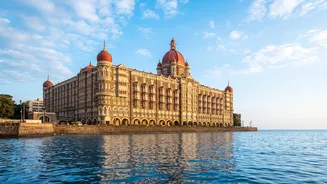
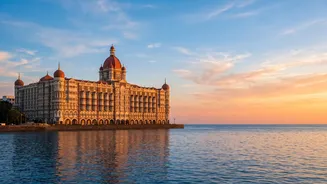
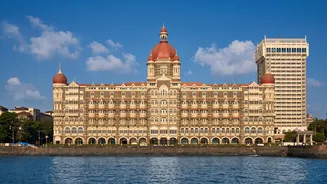
In the competitive world of luxury hospitality, the annual list of The World's 50 Best Hotels is a definitive ranking. For 2026, Mumbai's iconic Taj Mahal Palace was the only hotel in India to make the prestigious top 50, moving up from its 2025 position
of No. 38. The list, voted on by over 800 anonymous global travel experts, is a barometer of excellence in the industry. While modern marvels like Rosewood Hong Kong and Capella Bangkok took the top spots, the Taj's significant climb highlights its enduring appeal and global stature. This isn't just a win for the hotel; it’s a moment of pride for Mumbai and a testament to India’s growing influence in the luxury travel sector.
More Than a Hotel, a Piece of History
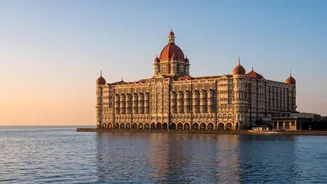
To understand the Taj's appeal, one must look beyond its luxurious suites and sea views. Opened in 1903 by Jamsetji Tata, the hotel predates the Gateway of India, which it now famously overlooks. It was built as a statement of Indian enterprise and a meeting place for all, at a time when other grand hotels were not always welcoming to Indians. Over the past century, it has become woven into the fabric of Mumbai, hosting royalty, dignitaries, and artists. The hotel itself is a fusion of architectural styles, with a famed cantilevered staircase and a collection of art that traces India’s modern history. It was the first building in the city with electricity, a licensed bar, and even German elevators, cementing its role as a pioneer. Today, it balances this rich history with modern luxury, offering guests a stay that feels both timeless and contemporary.
The Assumption Under Review
The headline's mention of an 'assumption under review' points to a subtle but significant shift in the world of luxury travel. For years, the conversation around the 'best' hotels has often been dominated by sleek, minimalist designs, new-build skyscrapers, or exclusive European villas. The implicit assumption was that heritage, especially outside the West, was charming but perhaps not at the cutting edge of global luxury. The success of the Taj Mahal Palace—a 122-year-old 'grande dame'—challenges this notion directly. Its rise suggests a growing appreciation among experts and travelers for properties with deep stories, authentic cultural connections, and a proven legacy of service that can't be built overnight. Excellence, it seems, is being redefined not just by brand-new amenities, but by soul, history, and a distinct sense of place.
A Broader Trend Towards Authenticity
The Taj's recognition is part of a larger global trend. While Asia's strong showing on the 2026 list—claiming 18 of the top 50 spots—is notable, it's the character of the winning hotels that tells the real story. Travelers are increasingly seeking more than just comfort; they want experiences. They want to stay somewhere that tells a story, whether it's a restored palace in Mumbai, a historic landmark in Singapore like Raffles (No. 17), or a London icon like Claridge's (No. 13). These institutions offer something that brand-new hotels can only aspire to: a connection to the history and culture of their city. Experts note that delivering a unique, personalized experience is a key trait of excellent hotels, a standard the Taj has upheld for over a century through its fusion of Indian hospitality and world-class service.