
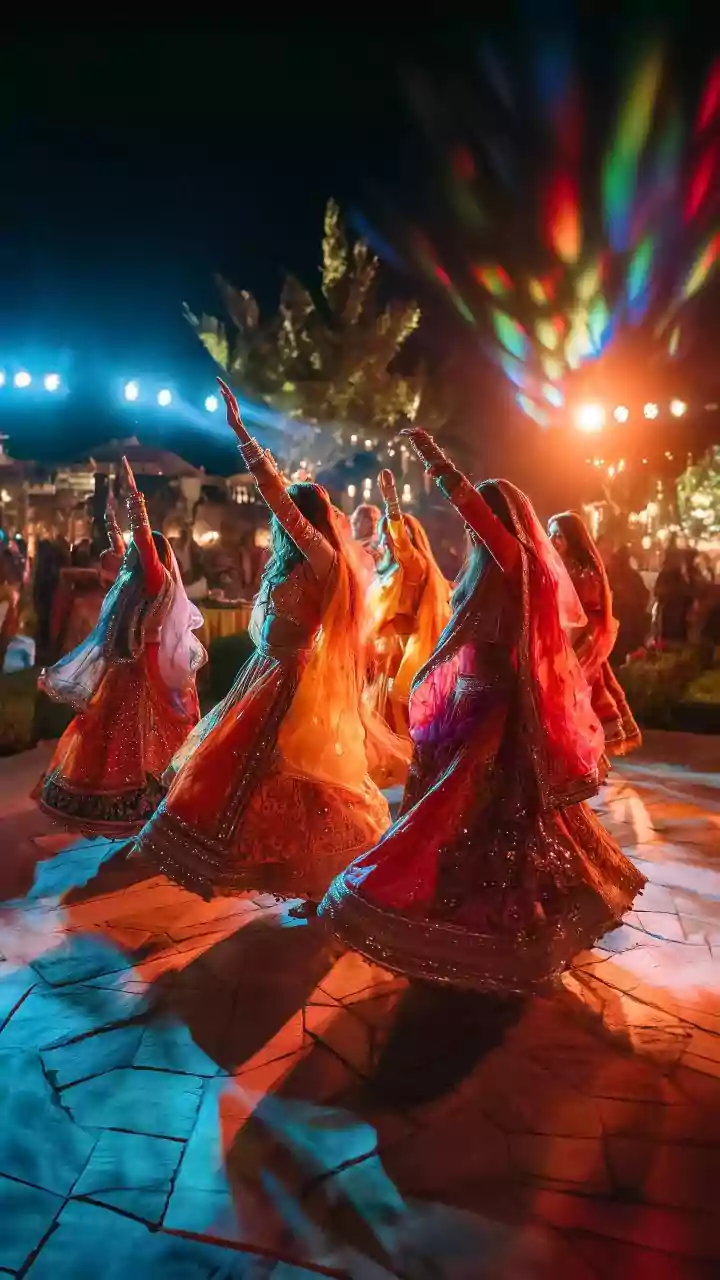



Often called the 'Festival of Festivals', Nagaland's Hornbill Festival is a vibrant ten-day immersion into the culture of its 17 major tribes. If you plan to visit the Naga Heritage Village at Kisama, here is your essential guide to making the most of this
unforgettable experience.
A Tapestry of Naga Culture
The Hornbill Festival is more than just an event; it's a living museum and a crucial effort by the Nagaland government to preserve and share the rich cultural tapestry of its people. Started in the year 2000, it brings all of the state's tribes together in one place. The festival is named after the revered Hornbill bird, a symbol of splendour and courage that features prominently in Naga folklore. For ten days, the purpose-built heritage village of Kisama becomes a microcosm of Nagaland, offering a rare opportunity to witness diverse traditions, dances, foods, and customs side-by-side.
Dates, Venue, and Getting There
The festival is consistently held from December 1st to 10th each year, and the 2026 edition is scheduled for these dates at the Naga Heritage Village, Kisama. Kisama is located about 12 kilometres from Kohima, the state capital. The most common travel route is to first fly or take a train to Dimapur, which has Nagaland's only airport and primary railway station. From Dimapur, it's a scenic but often busy two-to-three-hour taxi ride (about 70 km) to Kohima. During the festival, shuttle services and numerous taxis are available for the final leg from Kohima to the Kisama festival grounds, a journey that can take 30 minutes to an hour depending on traffic.
The Essential Entry Permits
This is a step you cannot skip. All domestic tourists from other Indian states require an Inner Line Permit (ILP) to enter Nagaland. The process is now streamlined online through the official Nagaland ILP portal, and it's recommended to apply well before your travel dates. You'll need a passport-sized photo and a valid government ID like an Aadhaar card. Foreign tourists no longer need a Protected Area Permit (PAP) but must register themselves with the Foreigner's Registration Office (FRO) in the district they visit. In some previous years, the ILP requirement has been waived for the festival period, but it's crucial to check the official portal for the latest 2026 regulations before you travel.
Where to Stay: Book Months in Advance
Accommodation for the Hornbill Festival is in extremely high demand and gets booked out months in advance. Your options range from hotels in Kohima to traditional homestays in nearby villages like Kigwema, which offer a more immersive cultural experience and can help you avoid the daily traffic to Kisama. For the adventurous, several operators set up tented camps near the festival grounds, offering basic to luxury 'glamping' options. These camps often provide a fantastic community atmosphere with bonfires and traditional meals included. Regardless of your choice, early booking is not just recommended; it's essential.
Must_See Festival Highlights
The heart of the festival lies in the daily cultural performances at the main arena, where each tribe showcases its unique folk songs, warrior dances, and ceremonial rituals. Beyond the main stage, the most rewarding experience is wandering through the morungs — traditional tribal dormitories, each representing a different Naga community. Here, you can interact with the hosts, see artisans at work on hand_woven textiles and woodcarvings, and sample authentic Naga cuisine, which is a paradise for non_vegetarians and features dishes like smoked pork with bamboo shoot. Don't miss the fiery Naga Chilli Eating Contest or the Hornbill National Rock Contest that keeps the energy high in the evenings.
Travel with Courtesy and Respect
The Hornbill Festival is a generous invitation to share in deeply held traditions. It's vital to be a respectful guest. Always ask for permission before taking photographs of people, especially elders in their ceremonial attire, and accept 'no' gracefully. When entering a morung, remember you are a guest in a hosted space. While exploring, be mindful not to be intrusive. A simple smile and a polite question will open doors to wonderful interactions. Finally, pack warm layers. While days can be pleasant, the evenings in the hills of Kohima are genuinely cold in December.