




The Big Picture: More Than Just a Launch
The Gaganyaan programme is India's first human spaceflight mission. The goal is to launch a crew of three astronauts into a 400-kilometer orbit for a three-day mission and bring them back safely to Earth, landing in the Indian Ocean. This isn't just about
joining an exclusive club of spacefaring nations; it's a massive technological undertaking. To succeed, ISRO must perfect a 'human-rated' launch vehicle, a life-support system to create an Earth-like environment in space, and a foolproof crew escape plan. Recent updates confirm that development and ground testing of the major systems are complete, marking a significant move from the drawing board to the launchpad.
Perfecting the Escape Plan
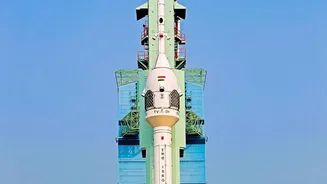
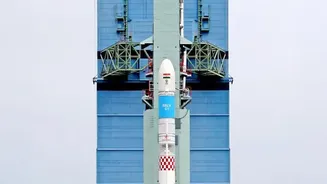
The most critical aspect of any human mission is crew safety. ISRO has been rigorously testing the Crew Escape System (CES), which is designed to jettison the crew module to safety in case of an emergency during launch. A key test, the Test Vehicle Abort Mission-1 (TV-D1), was successfully completed, demonstrating the system's performance mid-flight. This involved launching a module to a specific altitude and triggering the escape sequence, which then arced over the Bay of Bengal before splashing down safely under parachutes. All five motor types for the escape system have been developed and passed static tests, a major milestone confirming the reliability of this crucial life-saving technology.
The Human-Rated 'Bahubali' Rocket
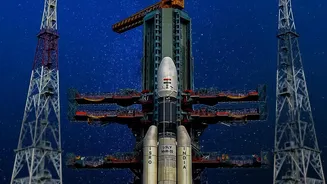
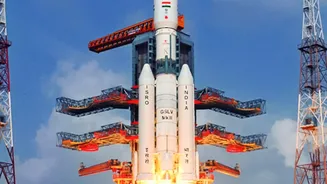
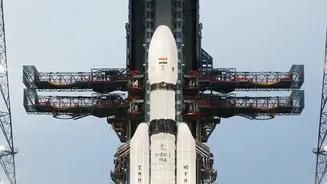
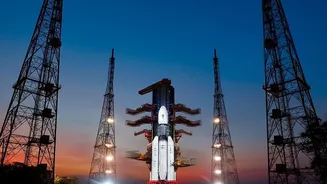
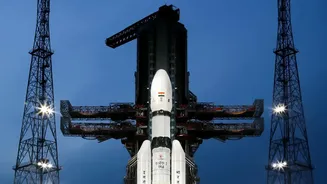
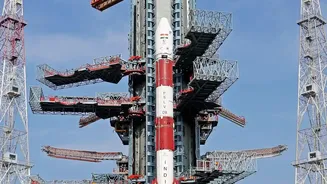
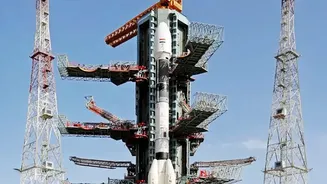
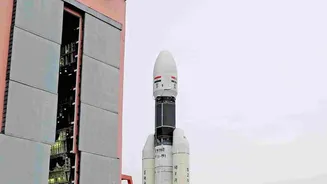
India’s heaviest and most reliable rocket, the LVM3 (often called 'Bahubali'), is being upgraded to carry humans. This 'human-rated' version, called HLVM3, has been re-engineered for enhanced reliability and safety. According to government updates, the ground testing for all its propulsion stages—solid, liquid, and the powerful CE20 cryogenic engine—is now complete. The CE20 engine alone has undergone extensive testing, firing for a cumulative duration far exceeding the minimum required for human rating standards. These tests ensure the rocket can withstand the rigours of spaceflight with astronauts on board, making it the trusted vehicle for the Gaganyaan mission.
Ensuring a Safe Return and Habitable Home
Getting to space is only half the battle. Bringing the crew back safely is paramount. ISRO has conducted a series of Integrated Air Drop Tests (IADT) to qualify the complex parachute system. These tests, some involving a simulated crew module dropped from an Indian Air Force aircraft, validate the sequence of ten parachutes that will slow the module for a gentle splashdown. Alongside this, the Environmental Control & Life Support System (ECLSS), which will manage the temperature, pressure, and air quality inside the crew module, has been developed and is undergoing tests. A version of this system will be demonstrated in the upcoming uncrewed flights, which are crucial dress rehearsals for the main event.
What It Means for India's Future
These milestones mean Gaganyaan is transitioning from a bold idea to a tangible, near-term reality. The first uncrewed flight, G1, which will carry the humanoid robot 'Vyommitra', is targeted for late 2026. Following a series of uncrewed tests, the first crewed mission is planned. The 'Gaganyatris' have already completed generic training and are now undergoing mission-specific preparation in Bengaluru. Success will not only cement India's status as a major space power but also pave the way for more ambitious goals, including the 'Bharatiya Antariksh Station' (Indian Space Station) planned by 2035 and a crewed lunar mission by 2040. Each successful test is a building block for India's long-term presence in space.