

The Myth: Thick Honey is Pure, Runny Honey is Not
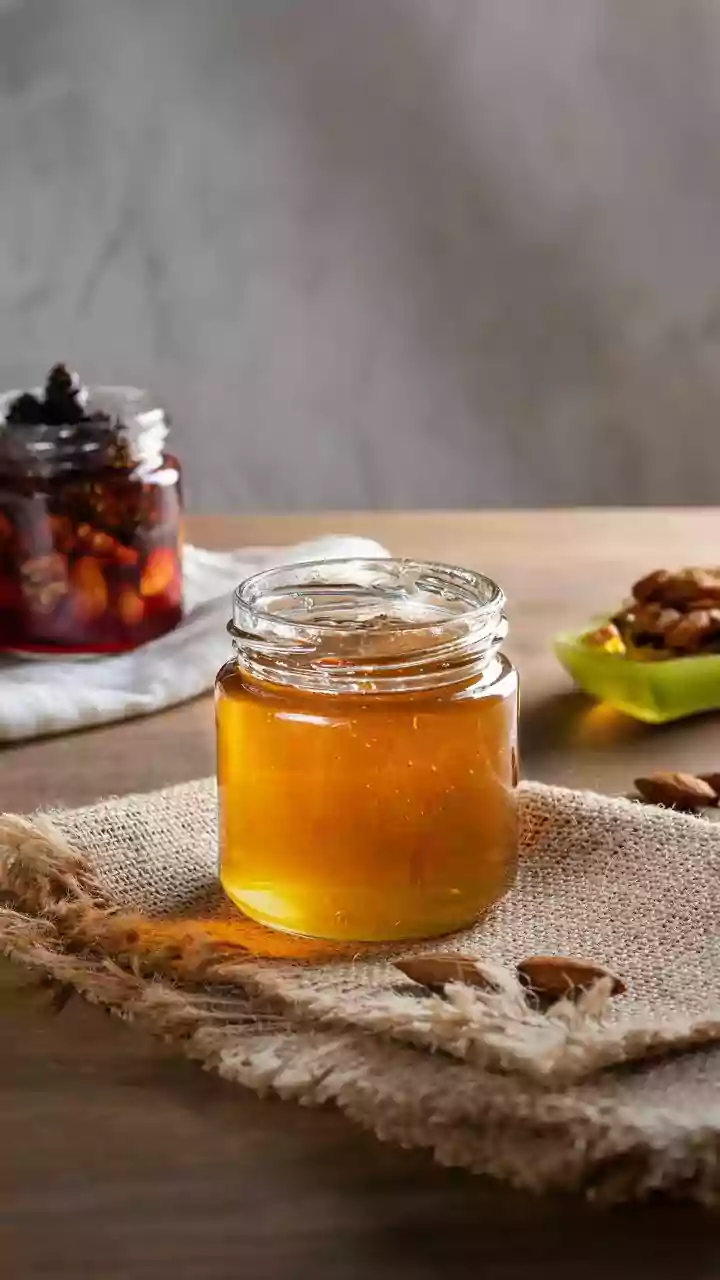
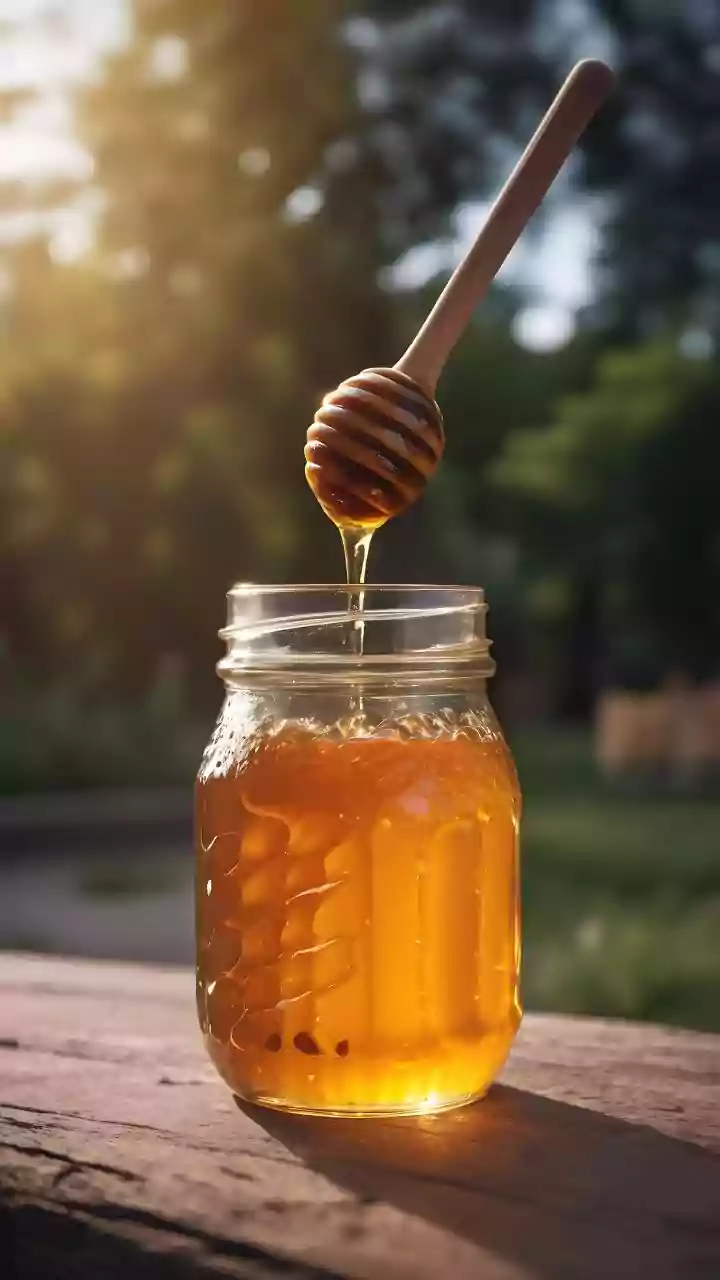
One of the most persistent beliefs is that thick, viscous honey that drips slowly from a spoon is a sign of purity, while thin, runny honey is likely adulterated with water or syrup. This is a myth. Honey's viscosity, or thickness, is not a reliable indicator
of its authenticity. The texture is primarily determined by two main factors: the floral source and the moisture content. Honey made from the nectar of different flowers has different compositions. For instance, honey from lavender or rosemary flowers is often naturally thicker. Conversely, some pure, high-quality honeys can be quite fluid. Temperature also plays a huge role; honey becomes thicker in the cold and runnier when warm, regardless of its purity. A sophisticated adulterated honey can be engineered to have the perfect thick consistency, easily fooling this simple test.
The Myth: Crystallised Honey is Fake or Spoiled
Finding your honey has turned into a semi-solid, sugary mass is another common cause for concern. Many people believe this means it has been mixed with cane sugar and should be thrown away. In reality, the opposite is often true: crystallisation is a natural process and a hallmark of high-quality, raw honey. Honey is a supersaturated solution, containing over 70% sugar and less than 20% water. This state is naturally unstable. The process occurs when glucose, one of the main sugars in honey, separates from the water and forms tiny crystals. Fructose, the other primary sugar, tends to remain liquid. This process has no effect on the honey's nutritional value or safety; it's merely a physical change.
What Really Influences Crystallisation?
Whether honey crystallises quickly or slowly depends on several factors. The most important is the ratio of glucose to fructose. Honeys with a higher glucose content, like mustard honey, will crystallise rapidly, sometimes within weeks of harvest. Honeys higher in fructose, such as acacia, can remain liquid for months or even years. The presence of tiny particles like pollen and bits of beeswax in raw, unfiltered honey also provides 'seeds' for crystals to form, speeding up the process. Finally, temperature is a key trigger. Crystallisation happens fastest at cooler temperatures, between 10°C and 15°C, which is why storing honey in the refrigerator often accelerates it.
The Real Problem: Sophisticated Adulteration
While consumers worry about texture, the real threat is far more advanced. The honey market in India and globally is rife with products adulterated with cheap sweeteners that are difficult to detect. These include high-fructose corn syrup (HFCS), rice syrup, and other sugar syrups. Some of these adulterants are scientifically engineered to mimic the chemical profile of real honey, allowing them to pass basic quality tests that were once considered reliable. A 2020 investigation by the Centre for Science and Environment (CSE) found that many major honey brands sold in India were adulterated with sugar syrup, despite passing existing FSSAI tests at the time. This highlights why simple home 'purity tests' like observing texture, dissolving in water, or even the flame test are entirely unreliable.
How Purity Is Actually Tested
Verifying honey's authenticity requires advanced laboratory analysis. Food safety authorities and reputable producers use sophisticated methods to detect adulteration. One of the gold standards is Nuclear Magnetic Resonance (NMR) spectroscopy. This technology creates a detailed magnetic profile of a sample, allowing scientists to detect foreign sugars and verify the honey's floral and geographical origin. Other methods include carbon isotope ratio analysis, which can distinguish between sugars from nectar and those from syrups like corn or cane sugar. In India, the Food Safety and Standards Authority of India (FSSAI) has updated its standards to include tests for specific markers of rice syrup and other foreign sugars to combat this issue.
What You Can Do as a Consumer
Since you can't run an NMR test in your kitchen, the best strategy is to be an informed buyer. Instead of relying on physical characteristics, focus on the source. Purchase honey from trusted, local beekeepers whenever possible. If buying from a store, choose reputable brands that are transparent about their sourcing and testing methods. Read the label, but be aware that terms like 'pure' and 'natural' are not always guarantees. Understand that variation is normal. Real honey's colour, flavour, and texture will change from season to season and batch to batch depending on the flowers the bees visited. Embrace crystallisation as a sign of natural, unprocessed honey. If you prefer it liquid, gently warm the jar in a bowl of warm water to dissolve the crystals.